Monday, December 22, 2025
Home Blog Page 37

Kenya’s first budget after rebasing; what are the implications?

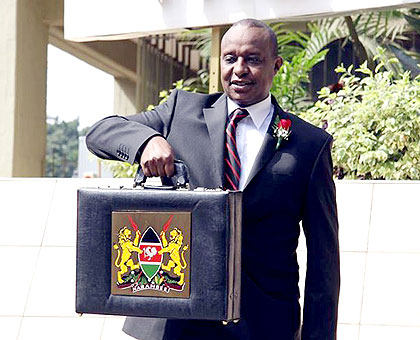
Photo courtesy of www.hero.co.ke

When the Kenya National Bureau of Statistics released the new Gross Domestic Product Figures in September last year, Kenyans were happy after the country was pronounced a lower middle class economy.

According to the Wordbank, a lower middle income economy is one whereby the total value of all goods and services produced by a country in a year (divided by the country’s population), lies between $1,045 and $12,746.
It is now six months since Kenya attained this status and there are few days to the release of the Annual National Budget Estimates for the 2015/2016 Financial Year. We sample some of the implications of this new status, especially with the budgetary allocations coming out of the annual estimates.

After rebasing, which ranked Kenya as a low middle income economy, the country’s GDP per capita rose to $1,246 from $994. Rebasing refers to the exercise of updating the measures of a country’s economic growth over a given period of time. Such measures could be new sectors which have developed in comparison to the previous year of rebasing. This exercise helps track changes in the economy and it is done in different intervals in different countries. For example, the mobile telecommunications sector has grown very rapidly over the last decade so the measure or weight given to that sector in the previous estimation needs to be increased hence the rebasing exercise.

In most occasions, the budget estimates and the projected projects are funded with money borrowed from various donors and taxes from local businesses and individuals. But Geoffrey Injeni, a Financial Consultant says that there may be no much changes in the financing of the budget.

“Kenya still needs to raise more money to support economic growth especially develop its infrastructure. This will lead to a good business environment and promote economic activity.  Donor funding is still required and more funding will largely come from borrowing especially from outside, though supported by some local borrowing,” he explains.

But beyond donor funding, the lecturer at Strathmore Business School says that the key source of financing the budget is cost cutting in the public sector especially by introducing efficiency in the way the government works and delivers services as well as reduce corruption.

“In addition the country ought to enter into Public Private Partnerships with local and foreign investors, get tourism back in track by preventing terrorism and after carefully consideration look into some donor funding in specific ares like health and education,” he added.

The Analysis of likely Implications on Rebasing the GDP of Kenya, a report released by the United Nations Development Programme (UNDP) last year states that despite cases of inequality and high levels of poverty, the rebasing of the country’s economy is likely to have major changes on the economy of Kenya.

The report states that by updating the base year to 2009, Kenya’s GDP statistics will better reflect the performance of the economy. However, this may disadvantage the country when it comes to accessing development funds. The report adds:

“A larger economy means Kenya needs less support and will not be eligible to access key export markets on preferential terms. Hence, Kenya might experience loss of access to key markets it currently trades in under special terms as a poor country.”

Contrary to the thoughts that after rebasing, Kenya will pay more for development loans, Injeni differs. He says:

“On the contrary it shows we require funding to move to the next level and funding will be geared towards development.”

According to him, the budgetary allocations will be largely done first on the basis of last year’s budget and secondly based on political dimension in order for the Jubilee government to achieve some important pledges it made to Kenyans and hopefully to support devolution.
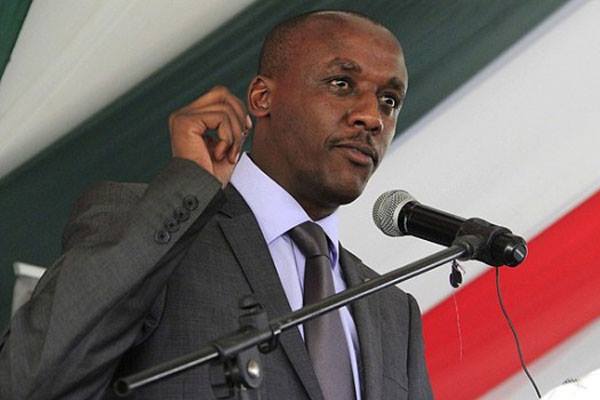

Senator Mutula Jnr’s remarks ignite Makueni-Kajiado border row

Makueni Senator Mutula Kilonzo Jnr.His remarks have sparked a border dispute between Makueni and Kajiado Photo:Google
Makueni Senator Mutula Kilonzo Jnr.His remarks have sparked a border dispute between Makueni and Kajiado
Photo:Google

Leaders from Kajiado and Makueni County are embroiled in war of words over a border dispute between the two counties. The dispute was triggered by Makueni Senator Mutula Kilonzo Junior recent remarks that a piece of land measuring 800 metres from the railway line in Emali town falls under Makueni County.

The senator’s declaration has sparked protests among the Kajiado leaders who have insisted that the boundary between the two counties lies at the colonial railway line and not at Emali town as implied by the Makueni senator.

Led by Kajiado Governor David Nkedianye, the leaders have appealed for calm and disclosed that a meeting slated for June 11 in which leaders from both counties are expected to attend will seek to resolve the border issue.

Other leaders in Kajiado who have echoed the governor’s sentiments to have the border dispute expeditiously resolved include Senator Peter Mositet, County Commissioner Kello Harsama and Imaroro Member of the County Assembly (MCA) Timothy Sayoro.

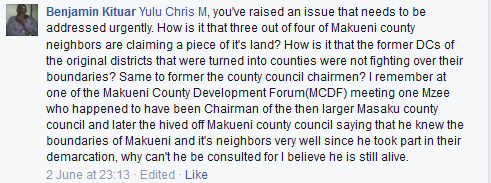
Makueni Governor Kivutha Kibwana in a Facebook post also urged the residents of both counties to refrain from engaging in any confrontations saying that the matter will be resolved by leaders from both the Kamba and Maasai communities.

The leaders’ meeting which, the Kajiado Governor has confirmed his attendance is however facing imminent opposition from a section of leaders from Makueni. Senator Mutula Junior has declared that he will only attend the meeting if officers from the National Land Commission and Independent Electoral and Boundaries Commission will be present.

Emali Ward Representative Cosmas Kaleli has also resounded the Senator’s sentiments saying that he will only honor the invitation of the crisis meeting on the condition that officers from the two institutions avail themselves.

The simmering border dispute has caught the attention of Makueni residents on social media stirring a debate. Some of the residents have underscored the need to have the dispute resolved urgently saying it could be a recipe for chaos.


k5

Others  noted that the border disputes between Makueni county and Kajiado need to be addressed effectively.

k3

While others said they were ready to protect the boundaries at whatever cost.


k7

Few others believed that an amicable solution will be arrived at.

k2

The boundary between the two counties was informed by the Districts and Provinces Act (1992)  which states that Emali town is the boundary. The Act has since been adopted as an electoral boundary by IEBC.

The Maasai community however claim they were not consulted when the Act was drawn and insist that the railway line should remain the boundary.

Makueni, has in the recent past been embroiled in border disputes among three counties which have not been fully resolved. Taita Taveta has claimed Tsavo river which according to 1992 act belongs to Makueni county while Machakos and Kajiado have claimed that Konza Technocity and part of Emali town respectively.

As the county leaders from Makueni and Kajiado counties prepare to meet and discuss the dispute, the opposition not withstanding its should be noted that parties involved should move with speed and settle the disputes and reclaim lost land where applicable and perhaps settle the matter once and for all to save future generation from similar disputes.

Kenyans’ quest for constitutional reform revisited

Constitution Snip
Former President holds the new constitution during its promulgation in 2010. A working group on the constitution has revisited the reasons Kenyans wanted the constitution changed (Photo/Google).

A report by a Working Group that carried out a socio-economic audit of the Constitution of Kenya (2010) has identified the effects of having an all powerful Presidency in the country as the main reason why Kenyans sought to have a new constitution.

Besides noting the lack of institutions to check the all powerful Presidency, the report also identifies the lack of a space to exercise free democratic space as the other reason why Kenyans wanted a new constitution.

“Kenyans’ desire for a new constitutional dispensation can be traced back to the effects of concentrating power in the presidency without attendant checks and balances,”

partly states the report while looking at how initial political parties with dissenting voices were ‘killed’ in a bid to have a uniform language in the country – at least politically.

“KADU, the only opposition party immediately after independence, was weakened and finally wound up in November 1964,” the report adds.

The report traces Kenya’s political woes to the colonial times blaming colonialism for the institutions that were ‘handed’ down to the post-independent regimes which did not have the aspirations of the people at heart.

“Institutions such as the Provincial Administration and the Police, inherited from the colonial government, were subsequently used to intimidate and harass individuals perceived to be dissidents and/or from opposition areas of the country,” it says.

Because of this the report says Kenyans longed to change the situation with a view that only a Constitutional dispensation could help them out. Specifically the report says, Kenyans wanted institutions that could check the government created.

“Kenyans wanted an independent Judiciary capable of exercising checks on other arms of Government and a Parliament that was independent from the Executive and which independently controlled its calendar and activities,” the report says.

“Along with these institutional reforms, Kenyans wanted political parties that reflected the diversity of the Kenyan people and which promoted a political culture of democratic inclusion. Kenyans also wanted reforms to the electoral process and system to ensure a fair, competent, and transparent management of elections.”

The 2010 constitutional referendum that led to the birth of the new constitution was the second shot towards getting a new constitution in Kenya. This is after the a proposed new constitution that was voted out in 2005 during a constitution amendment referendum.

According to the report Kenyans quest for a new constitution was pushed by the desire to create measures against corruption, political patronage and misuse of public resources with the offenders always going unpunished.

“Through successive post-independence regimes Kenyans have witnessed mega financial scandals that have resulted to heavy losses to the public. Public procurement processes were replete with corruption to a level where it was once reported that almost one third of earmarked government expenditure was lost through corrupt public procurement deals,” the report notes.

In addition the report says Kenyans wanted to have a new constitution so as to end regional economic disparities that were entrenched in the country through successive regimes starting with the colonial regime.

“Despite the rhetoric of the independence government on the need to address the socio-economic disparities that existed at independence, post-independent patterns reveal a continuation of socio-economic disparities. The colonial racial segregation ensured that areas that had influence of the settler economy flourished while those untouched by settler development lagged behind,” the report states.

The report further states that, in their quest for a new constitution Kenyans wanted an efficient public service that delivers. They also wanted a change in political culture and an

“end to the silent forms of exclusion.”

“Integrity and mature political leadership were part of the calls for reforms requiring a political and governance system based on integrity, transparency and competence,” the report says.

Created under the auspices of the Auditor General and through a resolution of the National Assembly, the Working Group that came up with the report was formed early last year. Its terms of reference included

“assessing the impact of the implementation of the Constitution to the Nation‘s economy and in particular its public finances,” as well as “making a rapid assessment of the impact of the implementation of the Constitution on public institutions.”

The Working Group was also tasked with the role of

“evaluating the social impact resulting from the implementation of the Constitution,”

among other tasks.

Parents urged to watch school going children closely

1
School pupils (uwezonews)

Mama Salma a Mvita resident received a call from the police after her form 2 son was found wondering in Old Town during school hours. She found her son, who was okay had skipped classes that day. She was puzzled as to why the police got involved in the case of a truant pupil. She learned that teenage students such as her son are getting involved in a serious crime of acting as carriers for peddlers who need to move their substances from one point to another.

To the peddlers, the students are ideal carriers as they rarely attract legal enforcement’s attention in their school uniform. Also, there are also many students within the town and it is impossible to search all of them as they move about. The students are given sh500 to transport the drugs from one point to another.

Parents are not aware how this starts but peer pressure is one of the ways new students are recruited into the transportation business. In findings published in a research paper he wrote, 75 percent of the head teacher respondents in the County stated that students were greatly influenced by peer pressure to abuse drugs and other related substances.

According to the National Authority for the Campaign Against Alcohol and Drug Abuse chairman John Mututho,

“About 50.3 per cent of the respondents reported that students consumed bhang in their schools whereas 56.3 per cent reported that prescription drugs were being abused in their schools.”

The danger of these student transporters turning into suppliers for their peers is imminent as other places are now grappling with similar problems. Punjab in India and Jamaica have seen similar trends where students were initially use as ‘mules’ before turning into suppliers and flooding the school system with narcotics leading to teenaged addicts.

To Mama Salma’s relief, her son was clean and was let go. However, the police appealed to her to keep a close watch on her children for abnormal or suspicious behavior such as excess money and unexplained absences from home or school.

Recently, a nominated member of county assembly moved a motion to deal with drug peddling in the county in recognition to the destruction that drugs are wrecking to the youth of Mombasa.

Veronica Onjiro in her research paper on factors influencing the use of drugs in pupils identified vendors selling sweets and food as another source of drugs to pupils. To counter this, schools have stopped vendors from selling food stuffs to students and some have moved to start offering lunch to children.

This move is being supported by the Mvita MP Abdulswamad Nassir who has helped several schools build kitchens through the Constituency Development Fund (CDF) kitty.  On the 5th of June, he officially opened a kitchen for yet another school in Mvita,  Abdalla Farsy Girls.

Nairobi bus, train commuters nightmare

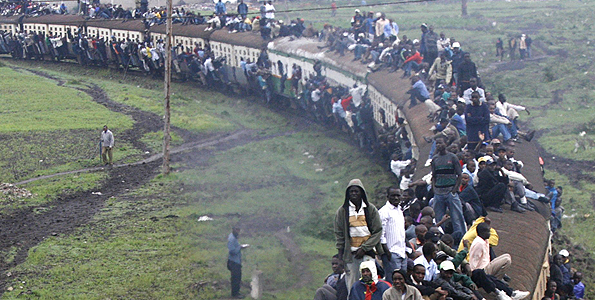
Nairobi commuters opted for train transport due to heavy rains that paralyzed road transport (photo courtesy of Businessdailyafrica)


Commuters from Nairobi were treated to a harsh Tuesday after heavy rains paralyzed road and rail transport in major parts of the city.

Stranded Kenyans went on twitter to express their fury on what they termed as the government’s inability to ensure good road infrastructure.

Residents of Eastlands, Utawala, Outering Road and those using the Eastern bypass were the most affected, with some opting to spend the night out.

@anwakim posted:

He added:

Others risked their lives just to get home.

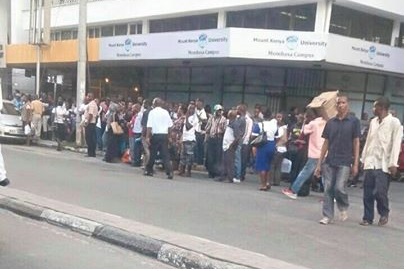
“I was in the bus line in town since 7:30pm, immediately after my class. But the first Double M bus appeared some minutes after 11:30pm and it was not even to use the regular route. For the first time I saw passengers standing in the Umoja bound bus,” explains Dorcas Loko, student at St Paul’s University, Nairobi Campus.

She added:

“I arrived home at 1:50am and interestingly, there were still people walking along the road, despite the fact that it was very late.”

Those who opted for the Eastern Bypass were not spared either.

@BLuvanda added:

The traffic nightmare on Tuesday had begun earlier in the morning when commuters were stuck in traffic following the convoy of the various dignitaries who had visited Kenya on Madaraka Day Celebrations.

The evening traffic did not spare the commuter train passengers who had to wait for hours before they could board the train that was reportedly stuck in Embakasi Railway substation due to the heavy downpour.

At 9pm, the stranded commuters were still waiting for the train, with some opting to use the buses instead.

“But there are no buses in town. You would rather wait for the train since you are assured it will come,”

said the officer guarding the railway station entrance.

The duty officer announced:

Kwa wasafiri wetu wapendwa, wanaosafiri kuelekea upande wa Makadara, Umoja, Githurai, Kahawa, mwisho Ruiru tangazo hili ni kwenu: Tafadhali tungependa kuwajulisha ya kwamba gari letu ambalo ni Ruiru Eagle limekwama kwenye stesheni ya Embakasi ambapo limezuiliwa na mvua. Tunaomba radhi na msubiri tu. Pindi tu gari litakapowasili, tutawajulisha” (To our commuters travelling to Makadara, Umoja, Githurai, Kahawa and Ruiru we regret to inform you that the train you are to travel in is stranded in Embakasi railway substation due to heavy rains. We urge you to bear with us.”

Commuters using the Syokimau train also got stranded and left the station minutes after 9pm.

Mombasa residents crowd scene of “bomb” alert

0
Scene of Bomb Scare Mombasa (facebook/Neel Ak)

For the better part of the afternoon yesterday and early evening,  Nkurumah road in Mombasa was a no go area as buildings around Ambalal were evacuated after a bomb scare. Unattended luggage was left outside the building in a black bag and people got suspicious and called the police. During that time, people working in offices at Ambalal and TSS building cleared as the entire street was  locked down interrupting traffic flow around the area.

Curious wananchi started milling the area, crowding about 50M from the bag. The police who first arrived at the scene had a hard time keeping the public far from the suspicious package and had to physically force the residents to move back. One resident complained later and said that the GSU should have detonated the bomb instead of ‘harrasing’ wananchi chasing them away from the scene. He apparently wasn’t happy with how the police were forcing the crowd back to a point where he couldn’t see what was happening.

Finally,  the bomb squad arrived with their equipment and a dog only to reveal that the bag contained clothing and nothing else. To the dismay of many Mombasa residents in the crowd that wanted to follow the whole saga from as close as possible. It was as if they would have preferred to be peering over the shoulders of the bomb squad officers in what is a life and death situation.

“I cannot believe the multitude of people standing around that street awaiting hell knows what!” said Rose Ajode

Priscilla Oyugi wondered

“people are so eager to die. You are told to move back there is danger instead you crowd the place as if red cross is distributing food. Suppose it’s a real bomb?”

Clearly, a lot needs to be done to educate the residents from crowding around potentially dangerous places or situations. Terrorists have been known to trigger small explosions which draw onlookers and thereafter detonate a bigger explosion targeting the ‘crowd’.

The matter also played out longer than it should have as the officers took about two hours to  inspect the package. This heightened anxiety among those following the events on location or via social media. Ambalal is about 500m  from Mombasa central police station and the police would easily have been there in 3-5 minutes. If this was a test of their preparedness and responsiveness, then they certainly don’t score highly.

This is the third scare in a space of two months after 4 people were dramatically arrested at City Mall on suspicions of planning to bomb the mall were released as it turned out to have been a false alert. This was followed by the evacuation of a church after a car that was parked drew suspicion resulting in the abandonment the of Easter service.

Entrepreneurs showcase their green energy projects

Tony Nyagah, CEO and Founder of Strauss Energy makes a presentation during the https://www.monitor.co.ke/wp-content/uploads/2015/06/Growth-Africa-Green-Pioneer-Accelerator-Venture-Forum held in Nairobi. (Photo Courtesy of GrowthAfrica).jpg
Tony Nyagah, CEO and co-Founder of Strauss Energy makes a presentation during the Growth-Africa-Green-Pioneer-Accelerator-Venture-Forum held in Nairobi. (Photo Courtesy of GrowthAfrica)

Eleven entrepreneurs showcased their clean energy innovations in a bid to pitch for partnerships and funding from various donors. The Kenyan companies were pitching to win the $50,000 pre-committed capital by Hivos.

In an event organized by GrowthAfrica, the entrepreneurs from different parts of the country showcased their energy related projects. The companies were selected to join Growthafrica’s accelerator programme from 350 applicants from Kenya, with 50 per cent of the applicants coming from outside Nairobi and 20 per cent being led by a female Chief Executive Officer.

The project dubbed ‘The 2015 Green Pioneer Accelerator program’ is as a result of a partnership between GrowthAfrica, VC4frica, Impact Amplifier and Hivos. The program seeks to mentor the entrepreneurs to a place where they can effectively interact with potential investors with the aim of receiving external capital.

Growth Africa CEO Johnni Kjelsgaard expressed his appreciation for the huge support by partners in the program.

“We are excited to present GrowthAfrica’s seventh batch of startups with amazing growth potential to our partners and local and international investors. It is great to find and support the growth of high impact enterprises being led by ambitious, skilled and dedicated entrepreneurs in Africa to strong commercial ventures,” Kjelsgaard said.

Speaking in Nairobi during the 2015 Green Pioneer Venture Forum, Senior Advisor for Financial Services and Green Entrepreneurship Leo Soldaat said that the organization was committed to support such innovative programs.

“We want to help develop a green world. And that is why we support entrepreneurs who are doing green business,” said Soldaat.

The forum brought together 11 entrepreneurs including: Afrisol Energy Limited, Classic Foods Limited, Cobitech Solar Limited, Skynotch Energy Africa, Boma Safi Limited, Consumer Choice, Limited, Strauss Energy, Plexus Energy Limited, Kencoco Limited, Sanivation and Green pencils Limited.

According to GrowthAfrica, the 11 were arrived at after an application and screening process. The companies are a blend of different businesses at different stages with 10 businesses at post revenue stage and only one at pre-revenue stage.

Peter Scott, Chief Executive of Burn Manufacturing who gave a keynote address urged the entrepreneurs present and upcoming ones to stick to their business ideas if they are to succeed. Scott, who is the founder of Burn Manufacturing and a renowned expert in cookstove commercialization said:

“Start-ups fail when the founders quit.”

He advised the cohort business leaders to first establish whether there is a need in the market before they start any business idea.

“Do not listen to the experts. Instead, listen to what the market is saying,” he advised.

“GrowthAfrica’s accelerator programme is second-to-none due to its focus on the specific reality that entrepreneurs in Africa are faced with. The Green Pioneer Accelerator has been a great network for Sanivation to refine our business model, meet fellow entrepreneurs, and really understand what it is going to take to grow our business to reaching 1 million people in the next 5 years,”

says Andrew Foote, CEO and co-founder Sanivation.

The cohorts went through several workshops, mentorship programs and venture fora. During the workshop, they interacted with experts in various organizations including: Kenya Bureau of Standards (keBS), Kenya Renewable Energy Association (KEREA), Kenya Intellectual property Institute (KIPI), Kenya Revenue Authority (KRA), ANDE East Africa Chapter, National Environment Management Authority (NEMA), Uhasibu online accounting package, iProcure and GrowthAfrica.

Makueni residents on Facebook fault Governor Kivutha over his stance on reconciliation

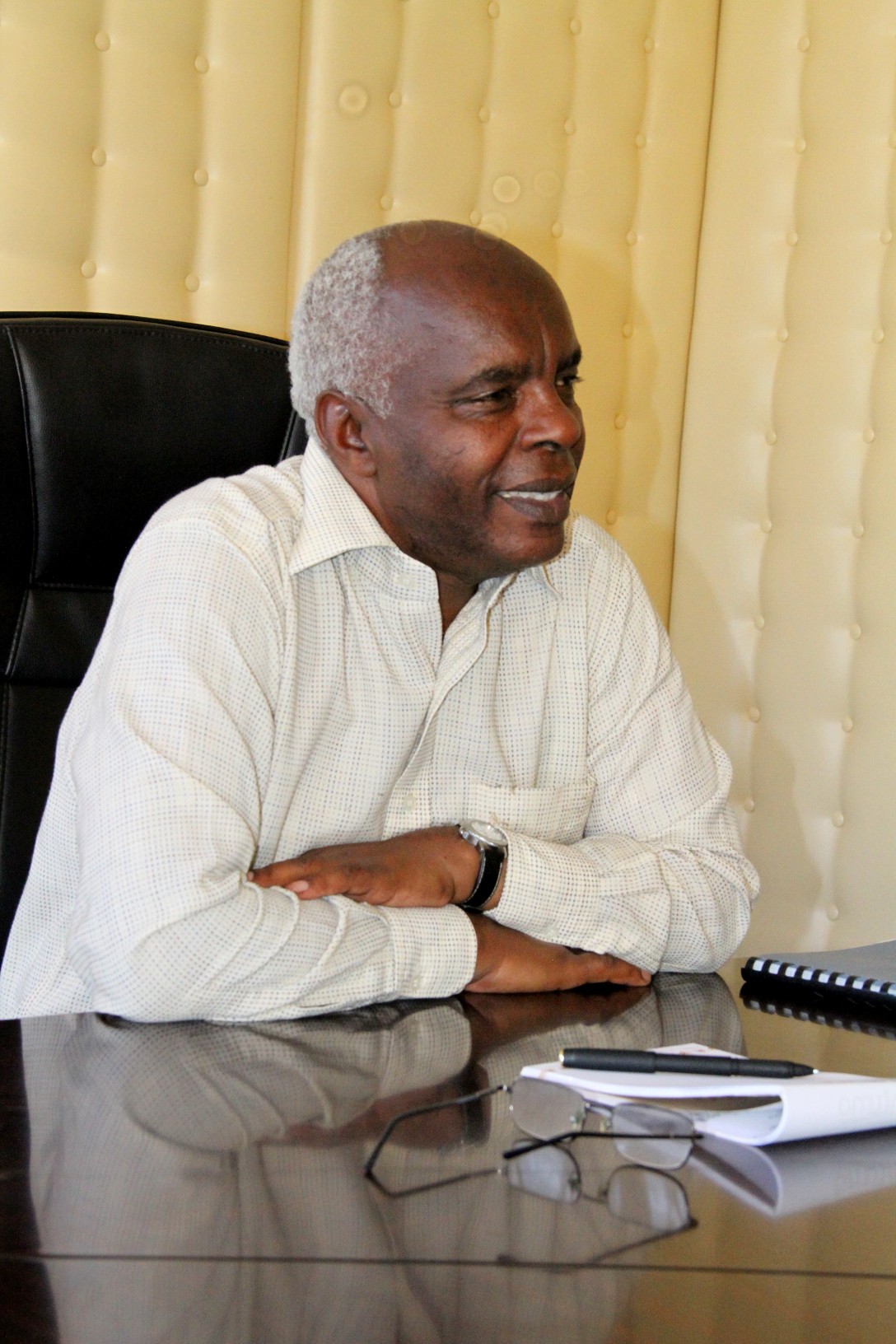
Makueni Governor Prof. Kivutha Kibwana. Photo by Charity Nzomo - CRECO
Makueni Governor Prof. Kivutha Kibwana. Photo by Charity Nzomo – CRECO

Last week, Makueni Governor Kivutha Kibwana, while testifying before the commission looking into the possible dissolution of the county said that he could not reconcile with his enemies.

The governor who has been at loggerheads with Members of the County Assembly (MCAs) and Speaker Stephen Ngelu cited his alleged assassination attempt and constant budget stalemates between him and the MCAs as some of the grounds, which he could not work with the legislative arm of the government.

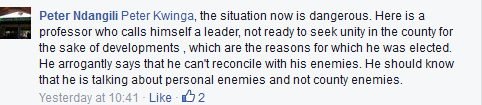
Kivutha’s sentiments over the wrangling that has threatened to scuttle devolution in the county, has elicited mixed reactions among residents of Makueni  Facebook with a majority faulting the governor over his stance.

Those who have disagreed with the governor has termed his assertions as unfortunate and castigated him for the high handedness. They called on the governor to embrace reconciliation for the sake of development, failure to which he will have himself to blame for the poor track of development.

r1

r2

r3

r4

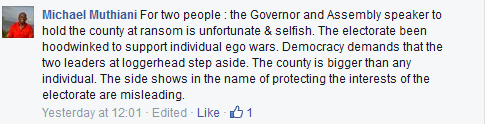
Others accused the governor and the speaker of  holding the county government at ransom for their selfish gains noting that the county was bigger than any individual and they should step aside.

r5

Some said that the Governor cannot choose who to work with or not.

r6

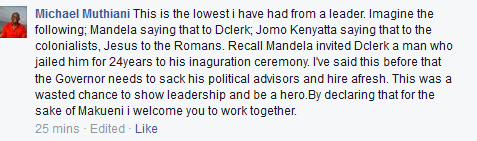
Others  reminded him on the biblical teachings of the need for forgiveness and asked the governor to emulate great leaders who forgave their enemies.

r10

r7

r9

But there are those who rallied behind the governor.

r12

r13

r15

The governor’s hard stance seems to have ruled out any possibility for reconciliation leaving dissolution as the only viable solution of  the unending county wrangles. Although many residents had started casting doubts of the possibility of dissolution Kivutha’s sentiments could perhaps act as a stark reminder that dissolution is a reality.

The comments by the governor could also give the Mohammed Nyaoga- led commission a hard time in determining the best solution of the wrangling bearing in mind that the infighting has been as a result of personal wars rather than institutional conflicts.

While addressing journalists in Wote during the public hearings, Nyaoga said that dissolution of the county is one of the may solutions that the commission could recommend but disclosed that the probe team would sit  down the two warring leaders to try and establish the root cause of the problem.

Nakuru County Government should give a status report of the free wifi project

IMG_0616
A man attends the Madaraka Day celebrations at the Afraha Stadium, Nakuru, last week where the County Government pointed out the WiFi as one of their successes. It is however not clear where the WiFi services can be accessed (Photo/Mzalendo).

During the last Madaraka day celebrations Nakuru County Governor Kinuthia Mbugua pointed out the provision of free WiFi services in the county as one of the successes of his government. He said that at the Afraha Stadium as he led the County for the celebrations.

As it is Afraha – the County’s largest public sports facility – is one of the spots the County government has identified as having the WiFi services. Now, when the Governor was making the announcement, he made it known to the public that the WiFi was available at the stadium even as he was talking about it.

That drew my attention and I decided to test it. Actually, I had tested the WiFi on my arrival for the function that day – that was about three hours before the Governor stood to speak – and it had failed. But I thought since the Governor had talked about it ‘officially’ there might have been a change of status.

With this faith, I tested it once more, almost the same time the Governor was making the announcement to celebrate the successful provision of the services and the gadget I was using – a Microsoft phone – was not connected.

Also read Wifi in Nakuru partly working.

I got disappointed. I felt it was not in order for the Governor to talk about it when his government had not confirmed about the availability of the services – at least on that particular day.

It is because of this that I propose the County government should come up with a status report of the project that was launched in early 2014. The report should explain if the initial intentions of the project were met and how the project is to be taken forward from where it is. It should also explain about the utility so far by the residents delving into which hot spots are frequently used to better gauge its efficiency and help in improving it.

I am very passionate about this project as I believe it could help in boosting online communication including access to information on the internet which is necessary for the growth of the economy. But I want to see it given the necessary attention.

So far the project is surrounded by a negative perception among locals that it was a hoax, partly because since it was launched, we have never been able to say with certainty where the services are available and how the locals are benefiting from it.

I am aware that recently that the Senate Committee on Information, Communication and Technology (ICT) visited the County to check on the status of the project. I hope that the committee made positive observations about it, and that they will come up with recommendations to improve it.

Governments start projects to improve on service delivery. But when those projects are not running the way they had been envisioned it should be prudent for the same governments to go back to the drawing board and come up with new plans and direction. This is what I feel a status report on this project can achieve if the Nakuru County government decides to develop and deliver one.

Blogger Bogonko Bosire still missing, about two years since disappearing

Bogonko Bosire
Bogonko Bosire

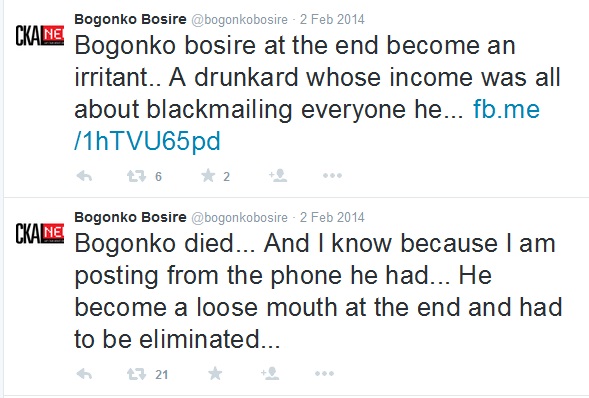
On Sunday 7th of June, a trending topic #WhereIsBogonkoBosire brought to memory something we may have forgotten in recent times. Controversial blogger and journalist Bogonko Bosire has been missing since September 18, 2013, gone without a trace. He made a name as a fearless blogger who wrote on the ICC case facing the President and his deputy. He rubbed the mighty and powerful the wrong way many times with some of the stories that he published on his blog The Jackal News. A look up on his website shows that the domain is no longer active.

His disappearance was actively pursued in the mainstream and online media. With conspiracies emerging that the state or the ICC has a hand in his vanishing. Since then, there has been a Facebook update on his page from the Hague and more rumors that he may have been seen in Congo.

Bogonko Bosire Tweets

His disappearance remains one of the unsolved mysteries of the recent times as it is alleged that he may have met with some ICC investigators before he disappeared. Was he forced into hiding or was he taken out of the picture by dark forces?

Further compounding this, his twitter account was active for a period during when he was missing. Posting cryptic clues and questions as to what may have happened and confirming his death. His disappearance, either by design or by other forces show the dangers bloggers, freelance journalists and those working in small media houses face. There are forces actively working against freedom of expression in Kenya.

It started with the question that many have been asking, just where is Bogonko Bosire?

The responsibility for finding was placed firmly in the hands of the government, which according to sentiments, is not doing enough to find him.

Many more put up theories as to where and why he could be missing. From police cells,

Some still remember the man as most say, he was an intelligent and talented journalist who was never shy of controversy.

The spirit and desire to find Bosire lives on. What happened to him could happen to other journalists and bloggers and it would curtail freedom of expression.

Will Bosire ever be found? What else can we hold onto but hope?

Marakwet County to host Kenya cultural week

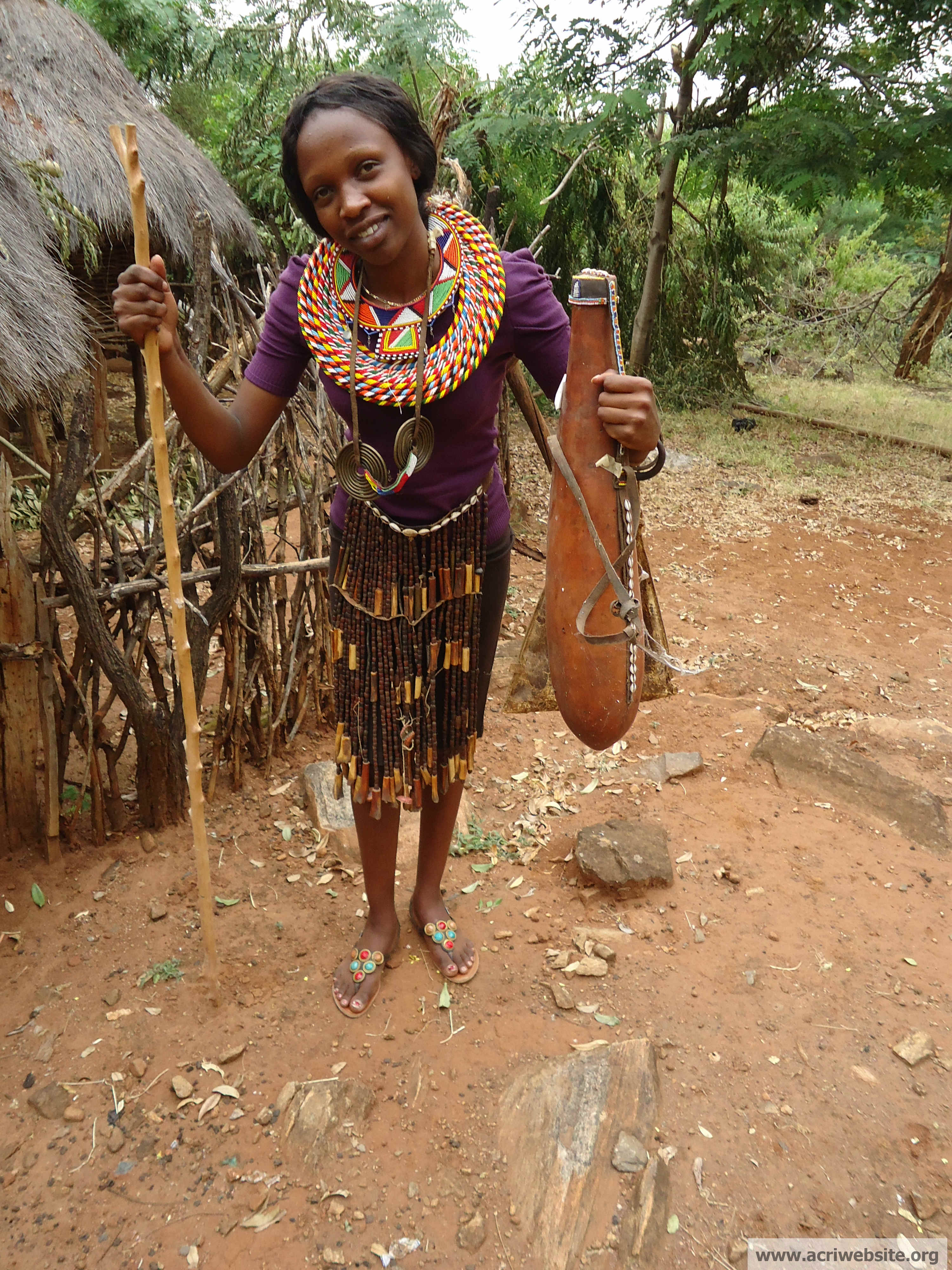
Elgeyo Marakwet County Cultural week will start on June 15th. PHOTO countesy (http://www.acriwebsite.org)

Kenyans from across the country will be celebrating the country’s cultural diversity later this month. The event that will be held in Tot, Elgeyo Marakwet County will bring together government leaders, county leaders, religious organization, students, communities and the general public. Several local community members/leaders, national and international participants are expected to grace the cultural event.

The week long event scheduled to take place between June 15th and June 20th 2015 is organized by the Action2015 Kenya, a group of Civil Society Organizations (CSOs) and individuals in pursuit for equality, poverty eradication and proper climate change mitigation plans.

Action2015 National Chairman Stephen Cheboi told Kenya Monitor that the event is a good platform to sensitize Kenyans on the three pillars that he believed will rewrite the country’s development path.

“We wish to use this platform for a whole week to sensitize Kenyans on poverty mitigation techniques, need to uphold equality and ways to address climate change issues,” said Cheboi.

He disclosed that the meeting will bring together different stakeholders from government as well as the civil society.

“We have received confirmations from key government officials and we expect the Deputy President, the President, county leaders and Kenyans from various parts of the country,” he explained.

The Cultural Week has been an ongoing event since 2011 and it aims at making Kenyans appreciate their diverse cultures as well as providing a platform for the various communities to discuss key development issues.

“We have held the event since 2011 and we have seen senior government officials attend the event. Last year we had Senator Kipchumba Murkomen, Minority Leader Kithure Kindiki, National Museums of Kenya cultural departments and county leaders attend the event. And this year we expect more leaders to grace the event. We also expect Former Vice President Kalonzo Musyoka and the Former Prime Minister Raila Odinga,” said Cheboi.

Representatives from the Women Enterprise Fund and the Youth Enterprise Development Fund will also attend the event.

The theme of this year’s National event is: Celebrating Kenya’s Communities Cultural diversities and Cultural as means to promote socio-economic Development in Kenya. During the event, there will also be empowerment seminars for the participants.

Since 2011, the Cultural Week has been targeting communities from Pokot, Turkana, Marakwet, Samburu, Tugen and the north rift region. But this year, the event will have representatives from other parts of the country, including: Kitui, Bondo, Busia, Bungoma and Nakuru.

Cheboi added:

“This is part of our national plans to reach out to grassroots communities in Kenya. This Cultural week day is dedicated to Kenyan communities to celebrate the Cultural diversities and discuss poverty alleviation initiatives, combating the dangerous impacts of climate change and inequalities in Kenya.”

He disclosed that the event will be a timely platform for the Action2015 Kenya to highlight the contents of the proposed Sustainable Development Goals (SDGs) and assess the successes and shortcomings of the Millennium Development Goals (MDGs).

Makueni MCAs hired witchdoctor to settle budget stalemate

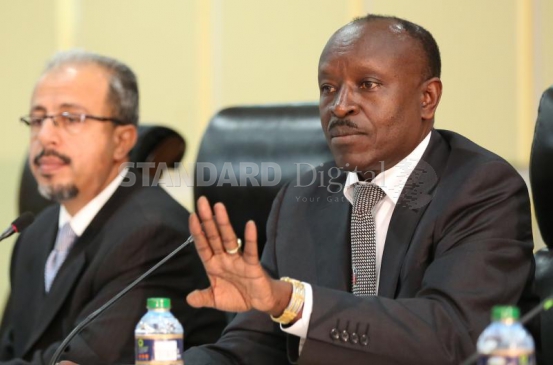
Commission of Inquiry on Dissolution of Makueni County Chair Mohammed Nyaoga (right) and Commissioner Taib Ali Taib during the hearing at KICC Read more at: http://www.standardmedia.co.ke
Commission of Inquiry on Dissolution of Makueni County Chair Mohammed Nyaoga (right) and Commissioner Taib Ali Taib during the hearing at KICC 

Makueni Governor Kivutha Kibwana told the Commission of Inquiry looking into the possible suspension of the county that Members of the County Assembly (MCAs) hired the services of a witch doctor to help resolve a budget stalemate in which the MCAs were demanding Sh1.4B.

The Governor told the commission currently holding its sitting in Wote town, that his refusal to grant the MCAs the money in the 2013/2014 financial year prompted them to bring the witchdoctor who was only identified as Mulika to have the budget passed without any squabbles.

“I was adamant that the money was a lot for the county assembly and when I refused to bulge they brought the witchdoctor to help them pass the budget easily,” said the Governor.

Kivutha said, the budget disputes in the last two years in row were occasioned by the MCAs unrealistic budgetary demands and accused them of wanting to derail development in the county.

“The MCAs do not have the people interests at heart. They just want more resources allocated to them at the expense of development,” he said.

The Governor told the Commission that the budget delays saw the County fail to receive development money from the national treasury on time leading to poor delivery of services and overall dismal performance on development.

He recounted to the Commission how time was lost when the two arms of the county government held high-level consultations with the controller of budget to have the budget stalemate resolved.

“We spend two days at the controller of budget trying to resolve the crisis because the budget had a deficit of Sh1B and therefore not implementable,” he said.

The Governor also castigated speaker Stephen Ngelu and refuted claims by the speaker that he declined to pick or return his calls.

“The Speaker publicly declared that he had deleted my number. How then does he claim that I don’t pick his calls when he doesn’t have my number?’’ he posed.

Kivutha ruled out any possibility of holding negotiations with the Speaker, only saying that the people of Makueni should be involved to help broker a truce.

“I will only sit down with the speaker and the residents of Makueni,” he said.

He also accused the County Assembly of nepotism saying that most employees on the legislative arm were relatives of the MCAs and the Speaker.

The hearing continues.

Makueni Senator castigates National Assembly over Sh1B budget cut

Makueni senator Mutula Kilonzo Jnr.He claims that his father was poisoned Photo:Facebook
Makueni Senator Mutula Kilonzo Jnr.
Photo:Facebook

Last Thursday, the National Assembly slashed Sh1B allocated to the Senate for oversight. The move has caused uproar especially among Senators who have termed it as irrational and malicious, aimed at blackmailing the upper house not to effectively discharge its constitutional mandate of oversight.

One of the senators, angered by the slashing of the Sh1B is Makueni Senator Mutula Kilonzo Junior who has also described the move as unfortunate and mischievous.

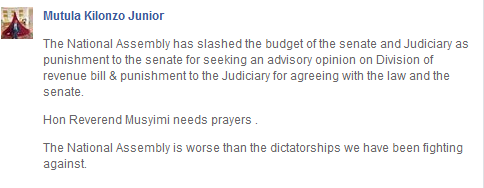
In his official Facebook page, the senator said the National Assembly slashed the Senate and the Judiciary’s budget as a punishment to the both institutions especially after Senate sought an advisory opinion from the courts on the Division of Revenue Bill in which the Judiciary ruled that the Senate must be involved in the bill.

In his post, Mutula Junior castigated National Assembly terming it as worse than any dictatorships that the country has been fighting against.

He particularly took a swipe at Gachoka MP Reverend Mutava Musyimi who the senator said, needs prayers. The MP chaired the Mediation Committee on Division of Revenue Bill 2015 and while contributing to the discussion on the bill in Parliament on Wednesday June 3, said that the Senate should be prepared to part with the Sh1B.

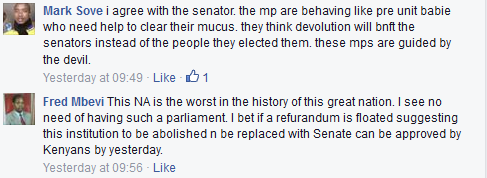
The post has stirred a flurry of reactions from Makueni residents on social media with a major backing the youthful senator.
Below is the post by the senator and the subsequent reactions.


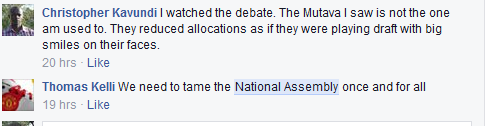
j1The following are the sentiments of those who rallied behind the senator.

j3

The infamous tag that the MP were greedy as pigs also resurfaced in the debate

j2

Others noted that the National Assembly was rogue and the move mischievous

j4

j8

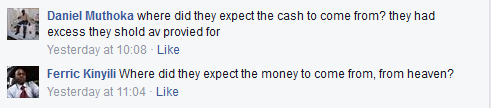
But there ate those who were opposed to the senator’s assertions…

j5

j6

They even queried were the money would come from…

j7

The Senate lost the Sh1B after the National Assembly slashed it’s budget together with other government institutions to achieve the requirements of the mediated Division of Revenue Bill.

Chairman National Budget and Appropriations Committee MP Musyimi, who also doubled as the Mediation Committee Chair and Majority Leader Aden Duale had earlier warned that National Assembly would slash some budgets to raise an extra Sh3.3 billion which the Senate had proposed as an allocation of Sh1.5B for Level 5 Hospitals and a further Sh1.7B for salaries for the devolved units.

The slash of the budget could therefore be a culmination of disputes pitting the National Assembly and the Senate on the Division of Revenue. The two legislative houses recently struck a deal on the Division of Revenue Bill 2015, in which they agreed that the counties would get Sh287 billion up from the Sh283.7 billion proposed by the National Assembly and down from Sh291 billion set by the Senate following a month long impasse.

The Senate could therefore be the greatest losers in the Division of Revenue Bill in which they negotiated for the additional Sh3.3B.
The National Assembly had argued that the Treasury could not afford more money for the counties, but the Senate maintained that the funds could be achieved by reallocating resources. Little did the Senate know that they would be the first culprits of the reallocation.

Judging from the sentiments of the Makueni Senator the move by the MPs has certainly caught the Senate unawares.

Rains badly damage roads in Mombasa

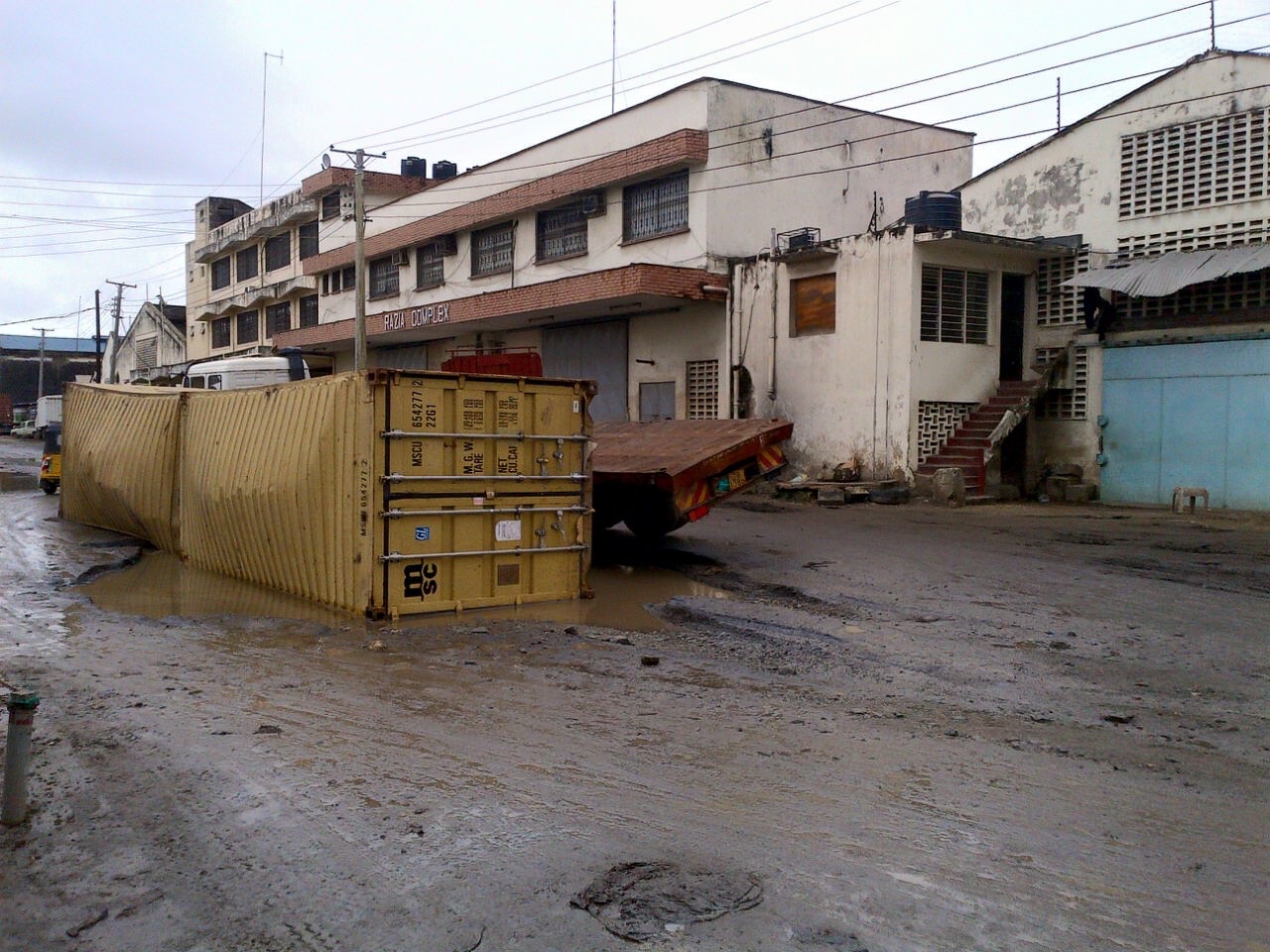
Lorry that overturned after hitting a huge pothole in Mombasa
Lorry whose cargo fell after hitting a huge pothole in Mombasa

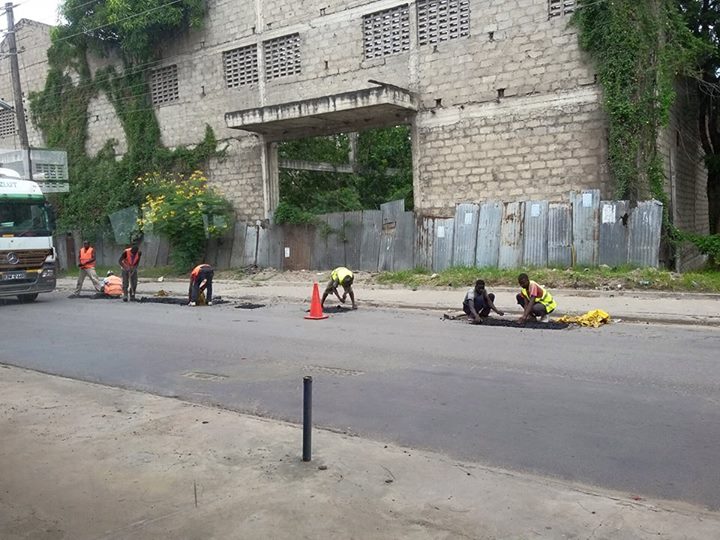
The state of the roads following the heavy rains in Mombasa is dire. Roads that had been previously patched up now have massive water filled potholes that are a nuisance and sometimes dangerous to motorists. Some of the roads  that are in poor condition include the entire Lumumba Road in Island, Mombasa Malindi Road from Kongowea to Bombolulu, Jomvu Miritini Stretch along Mombasa Nairobi Highway and  Likoni – Ukunda Road for the first 5 km from Likoni.

Road users have taken to social media to voice their frustrations predictably all directed at the county government. To many, the poor state of the roads is down to poor maintenance practices by the county. However, many citizens do not know that responsibilities for roads in the county are shared between the County Government,  Kenya Urban Roads Authority (KURA) and Kenya National Highways Authority (KENHA).

The quality of work done to repair the roads in Mombasa Island has been questioned by many as some of the roads were fixed less than a year ago. A resident, who works in transport lays all the blame on the authorities who are alleged to let contractors carry out shoddy repairs every time. He singles out Lumumba Road as the worst case.

“Contractors that have done these shoddy repairs are in business every year yet no one stops them for the poor job they do.”

Transporters are bearing the brunt as their losses mount due to accidents, breakdowns and lost time. Motorists too have not been spared with many cars getting damaged and hours lost due to traffic jams around Mombasa. Caroline, a motorist who lives in Nyali, alleges

“The traffic jam in Mombasa is in some parts caused by the bad roads. For example around Bombolulu and some parts of town where massive potholes force drivers to drive very slowly lest they damage their cars.”

A Matatu operator in Bamburi says the poor state of the road especially on Kisauni – Kiembeni stretch is costing most operators dearly as their maintenance costs have sky rocketed. The previous contractor left the job incomplete after allegedly running out of funds. The county has now stepped in to complete the job.

Roads Mombasa Comment
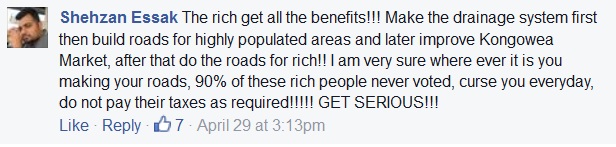
Mombasa resident weighs on how infrastructural repairs should be prioritized.

Residents also feel that the road works are favoring wealthy neighborhoods at the expense of poorer more populated areas that have poorer roads. Arnold Raminya commenting on Facebook wrote,

How nice to see such standard of road in Nyali yet in Bamburi we have a farm for a road where is your bogus contractor by the name NJUCA ??? why such level of disparity in serving people of Mombasa county yet the amount paid in taxes should be used to serve everyone.”

For the road users in Mombasa, concrete action is required to improve the road infrastructure. It is their hope that the concerned government agencies namely KENHA and KURA will work together with the County to come up with a lasting solution.

Civil society decries harassment by government

Press Conference on the de-registration of HAKI Africa and MUHURU


Members of the civil society have criticized the government for intimidating its members, parts of the media, trade unions and independent constitutional offices.

In a press statement, The Civil Society Organizations Reference Group (CSORG) and the National Civil Society Congress (NCSC) blamed the government for harassing the civil society organizations in the name of fighting terrorism.

Their complains come months after the government de-registered several Non Governmental Organizations on claims that they were aiding terrorism. Muslims for Human Rights (MUHURI) and Haki Africa were among those whose accounts were frozen.

Speaking in a past event, MUHURI Board chairman Khelef Khalifa cited witch hunt in the allegations saying:

“It all begun by us being linked to the Mombasa Republican Council, then terror, tax evasion and now we are being told we have not complied with the law.”

Through a social media campaign under #DefendingCSOs, #FreeHAKIandMUHURI, #ReleasePBOReport and #PBOActNOW, the CSOs went on Twitter to express their dissatisfaction with the government’s move.

Maskani Ya Taifa tweeted :

In the statement, the civil society organizations criticized the government for revoking the operationalization of the very organization that they had allowed its registration.

“It is also not in doubt that when the government issued MUHURI with a certificate of registration in 2008, it must have done sufficient due diligence on the organization, its history and objects for which it had been formed and satisfied itself that its application for registration had met all the legal requirements as provided in the relevant laws,” said the lobby group.

“The recent government letter to the boards of MUHURI, Haki Africa and the Agency for Peace and Development to “show cause why their organizations should not be de-registered” point to a well crafted and coordinated State operation not informed by the rule of law and other tenets of justice as protected under the Constitution but actuated by outright malice and witch hunt,” read the statement.

The organizations lamented that despite the current government being the first to operate under the Constitution of Kenya 2010 following an election, it still acted contrary to the very Constitution it should uphold. They added that there still was no evidence of why the NGOs were de-registered.

The group further regretted that the NGO Coordination Board is yet to register Haki Africa, one year after the organization made the application.

“And as if these acts of intimidation, framing and unlawful harassment of the organizations are not enough, the government has gone as far as setting the Kenya Revenue Authority, Insurance companies and the Non-Governmental Organizations Board against the three human rights organizations,” read the statement.
In December last year, President Uhuru Kenyatta announced that the government had frozen the accounts of over 500 charity organizations, 15 of whom were accused of financing terrorism activities in the country.

Government has on its part maintained that the organizations de-registered have been funding terrorism. It has however failed to provide evidence linking them to terrorism. It appears to be a knee-jerk reaction following the Garissa University attack and the anger Kenyans reacted to not just the slow government’s response to the attack but also lack of adequate security to keep terrorists far from attacking innocent lives.