
Wednesday, December 17, 2025
Home Blog Page 46

Mungiki in the eyes of Bensouda – Part 1

IMG_0831
ICC Prosecutor Fatou Bensouda (right) at a past ICC event at The Hague Natherlands. A pre-trial brief she released in January this year identifies the Mungiki as a powerful group that was capable of running its own government (Photo/Munyakei).

A public redacted pre-trial brief by the Office of the Prosecutor (OTP) at the International Criminal Court (ICC) identified the Mungiki as a vicious menacing terror group that was capable of doing anything during the post election violence of 2007/2008 to protect the interests of the Party of National Unity (PNU).

According to a pre-trial brief that was released in January showing part of the evidence the OTP was to present in the case against President Uhuru Kenyatta, Mungiki was a group that was too powerful it could run its own government during the two month long skirmishes that nearly brought Kenya to its knees.

The OTP says Mungiki was formed in the late 1980’s in the Rift Valley,

“by Maina Njenga and others as a self defense and tribal militia following land-related ethnic clashes.”

“The Mungiki, which means many or multitude in the Kikuyu language was an organization primarily comprised of Kenyans from the “GEMA” community (ethnic Gikuyu/Kikuyu, Embu, and Meru), the majority of whom were Kikuyu,” the brief states.

From here

“it quickly grew in size, expanded outside the Rift Valley, and developed a national presence,” and by the time it was banned by the Kenyan government in 2002, the brief adds, the group had become

“increasingly involved in extortion and violent crime, including armed confrontations with the police and other ethnic militias.”

During the Kibaki administration, the brief says the group had a somewhat love-hate relationship with the government, which depended on the political temperature at any given time.

“After the Mungiki opposed the Kibaki government in the 2005 constitutional referendum the government launched a campaign of extra-judicial killings, enforced disappearances, and arbitrary arrests of Mungiki members.”

The OTP further alleges that although this operation continued up to 2007, the PNU suspended it in 2007 so as to secure the group’s backing in the 2007 general election.

While the OTP does not give figures to show the size of the Mungiki especially at the time of the commission of the crimes, its description of the group paints a picture of an over sized and well organized movement.

“In January 2008 (the Mungiki) was a large organization, capable of mobilizing thousands quickly when required…it had a hierarchical structure with a functioning chain of command.”

It will be noted that ICC Prosecutor Fatou Bensouda released this brief a month after she withdrew the case against Kenyatta. Her move was read as a way of presenting the very case she was unable to push at a legal court before a public court.

The case against Kenyatta has since been terminated.

Cholera kills four people in Nakuru

Cholera Snip
An image of the cholera causing bacteria Vibrio cholerae. Four people have died in Nakuru out of cholera.

Four people have been confirmed dead in Nakuru following a cholera outbreak in Nakuru county. One person died at home in Pondamali while three others died while undergoing treatment at the Rift Valley Provincial Hospital.

This comes one week after three people died after consuming the carcass of a cow that had died mysteriously.

Chief Executive Officer (CEC) in charge of health Dr. Muigai Kabii told journalists on Monday that nine other suspected cases have been reported in Rhonda, Bondeni and Kiti areas.

He said that three other people were being held in an isolation ward at the general hospital. Because of this the government has banned food hawking in the county.

Dr. Muigai said that the county is well prepared to handle the cases saying that all health workers are vigilant.
“We are going to supply chlorine tabs to all households in the town through our health officers to make sure that water is free from contamination,” said Muigai.

Dr. Muigai further cautioned residents on the use of unknown sources of water and called on them to observe basic household hygiene.

“Everybody should wash their hands after visiting the toilet and before eating food. This is a very contagious infection that can only be dealt with through proper hygiene,” noted Muigai.

He also called on anyone with any symptoms to report to the nearest health facility for testing and treatment.

According to the World Health Organization (WHO) cholera is an acute diarrhoeal disease that can kill within hours if left untreated. WHO further estimates that there are 3–5 million cholera cases and 100 000–120 000 deaths due to cholera every year worldwide.

While up to 80 percent of cases can be successfully treated with oral re-hydration salts, effective control measures rely on prevention, preparedness and response. It notes that provision of safe water and sanitation is critical in reducing the impact of cholera and other waterborne diseases. Although oral cholera vaccines are additional means to control the disease, they should not replace conventional control measures, WHO advices.

Sauti Sol song Nerea triggers abortion debate

Sauti Sol Nerea
Sauti Sol (www.youtube.com)

It is not often that contemporary music triggers serious debate on National TV and on social media like Sauti Sol has done with their new hit Nerea. In the song, Nerea’s boyfriend pleads with her not to abort their pregnancy and promises to take care of the baby.

Besides the excellent vocal performance in the song, the lyrics cut to a debate that is always heated in Kenyan society. Is abortion right?

Those who remember the constitution making sessions at the Bomas of Kenya, will remember how polarised the debate on abortion was. During the constitution referendum, religious groups and politicians were opposed to the new Katiba because it “allowed” abortion.

Bishop Mark Kariuki explained why he took a stand against the constitution;

“When the innocent blood of babies aborted from their mother’s womb is shed they will cry against everybody who said ‘Yes’ to that draft. That’s why we are standing on that.”

To clear things up, lets first look at what the Constitution says.

The life of a person begins at conception.

Abortion is not permitted unless, in the opinion of a trained health professional, there is need for emergency treatment, or the life or health of the mother is in danger, or if permitted by any other written law.

SautiSol made it clear that the song mirrors the society we live in and they are only relaying a message. It was important for them to do that so that the debate did not turn too personal.

However, the message in Nerea has rubbed some people the wrong way with some saying a woman has a choice with what happens to her body, in this case pregnancy. The pro-choice seemed to have an issue with the song, especially because it seems Nerea is not allowed to decide.

I wish I could un-hear the lyrics. Or even undergo hypnosis to forget them. Seriously. I need to move on. #NereaSpeaks #TalkingNerea — Zawadi Nyong’o (@ZawadiNyongo) April 25, 2015    


#talkingNerea #NereaSpeaks Responsible male involvement means supporting women’s reproductive rights choices at all times — Vania kibui (@vaniakiki) April 25, 2015

On the other side of the discussion, those against abortion chimed in with innuendos of morality and responsibility.

The scope of the debate widened to include reproductive health, teenage pregnancy, single mothers and contraceptives.

However, some people thought that people should just enjoy Sauti Sol’s musical prowess and not get too sucked into the debate pro-life/ pro-choice debate.

However, the complexity of this debate was captured by Clarita who said.

Just like the debate at Bomas and during referendum, abortion remains a hot issue that needs to be discussed a lot more openly and frequently.

Is it time we legalized abortion?

New fears of Al Shabaab terror attacks in Nairobi

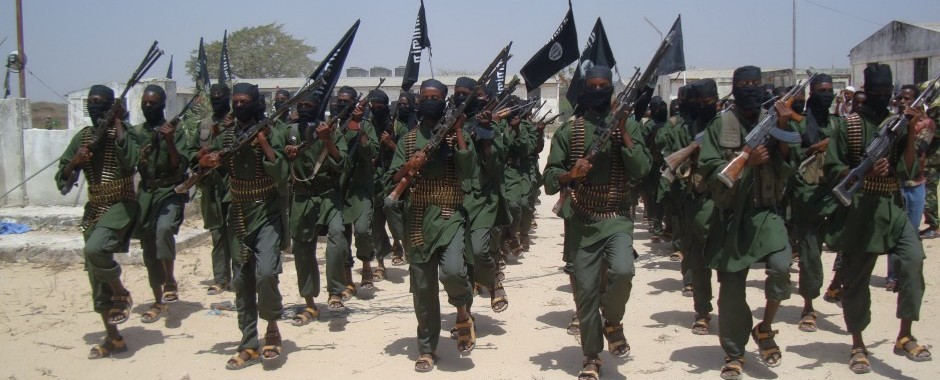
There are growing fears that the Somali terror group Al Shabaab is planning more attacks in Nairobi
There are growing fears that the Somali terror group Al Shabaab is planning more attacks in Nairobi (Photo/somaliagenda.com)


Barely a month after the Al Shabaab terror attack on Garissa University College that claimed an estimated 147 lives, there are new fears the Somali terror group may be planning more audacious attacks on prominent locations within the City of Nairobi. Speculation is swirling on social media that there are Al Shabaab operatives in the country planning attacks on targets such as Parliament, Muthurwa market and the University of Nairobi.

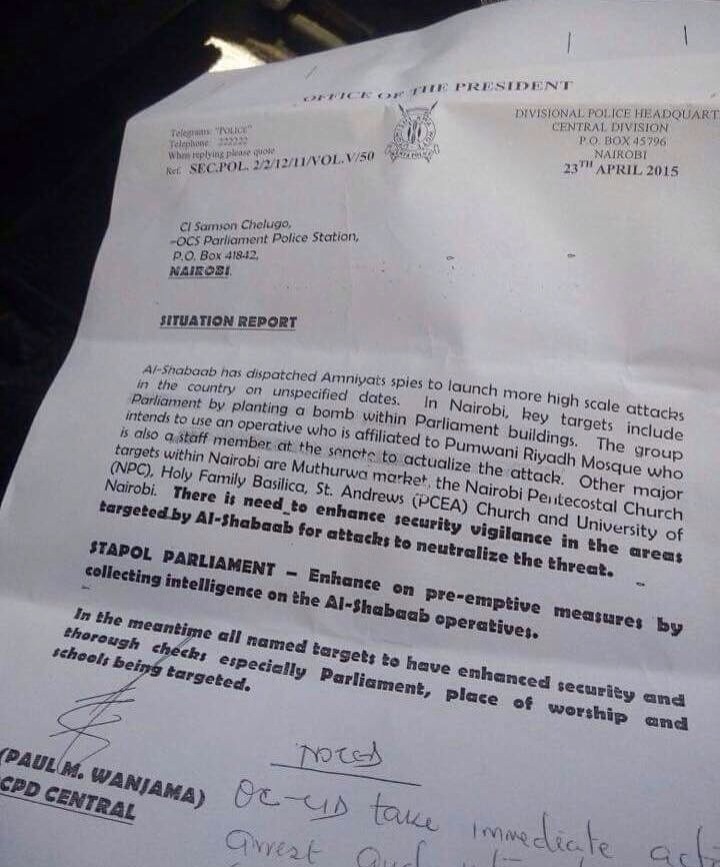
The speculation about Al Shabaab attacks on prominent targets in Nairobi appears to have been sparked by a leaked intelligence report signed by Nairobi Central Police OCPD Paul Wanjama.

IMG-20150427-WA0004
The leaked intelligence report currently doing the rounds on social media

The leaked “Situation Report” dated 23rd April, which is currently pinging around social media and Whatsapp chat rooms, names the targeted areas and concludes that

“In the meantime all named targets to have enhanced security and thorough checks especially Parliament, place of worship and schools being targeted.”

It’s tempting to ignore these security alerts when they are shared on social media because they often have the air of scare mongering. However its worth noting that such reports have been on the mark in the past. For example, days to the attack on Garissa university College there were various reports that Al Shabaab were planning to attack a Kenyan institution of learning. The University of Nairobi and USIU even warned students to be on alert.

Jukumu Letu Nakuru launch in pictures

jukumu

On Saturday April 25, the Jukumu Letu initiative which aims at sensitizing Kenyans on the need to follow up on the implementation of the constitution was launched in Nakuru. The event took place at the Nyayo gardens.

Here is a pictorial story of what happened.

The event did not start on time due to a power failure:

Jukumu Pic 1

So the Jukumu Letu team decided to come up with activities to keep the audience busy. The activities included singing games by the Dance into Space group:

Jukumu Pic 2

…as well as some ‘stand up comedy’ by the puppeteers:

Jukumu Pic 27

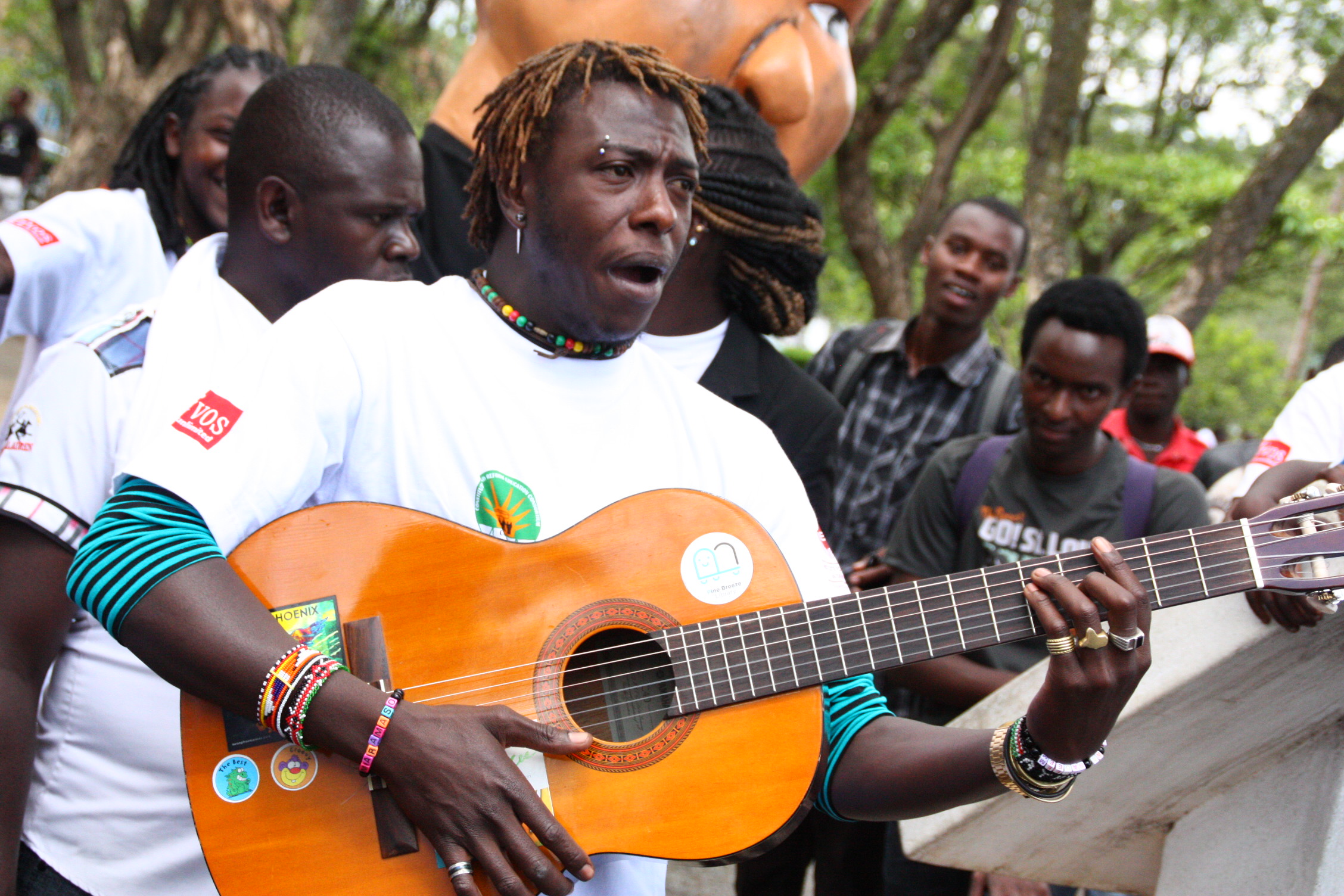
The musicians also kept their guitars rolling:

Jukumu Pic 4…although that could not take away the disappointment of the power failure:

Jukumu Pic 5

By the time the event started, it was way past 3 p.m:

Jukumu Pic 8

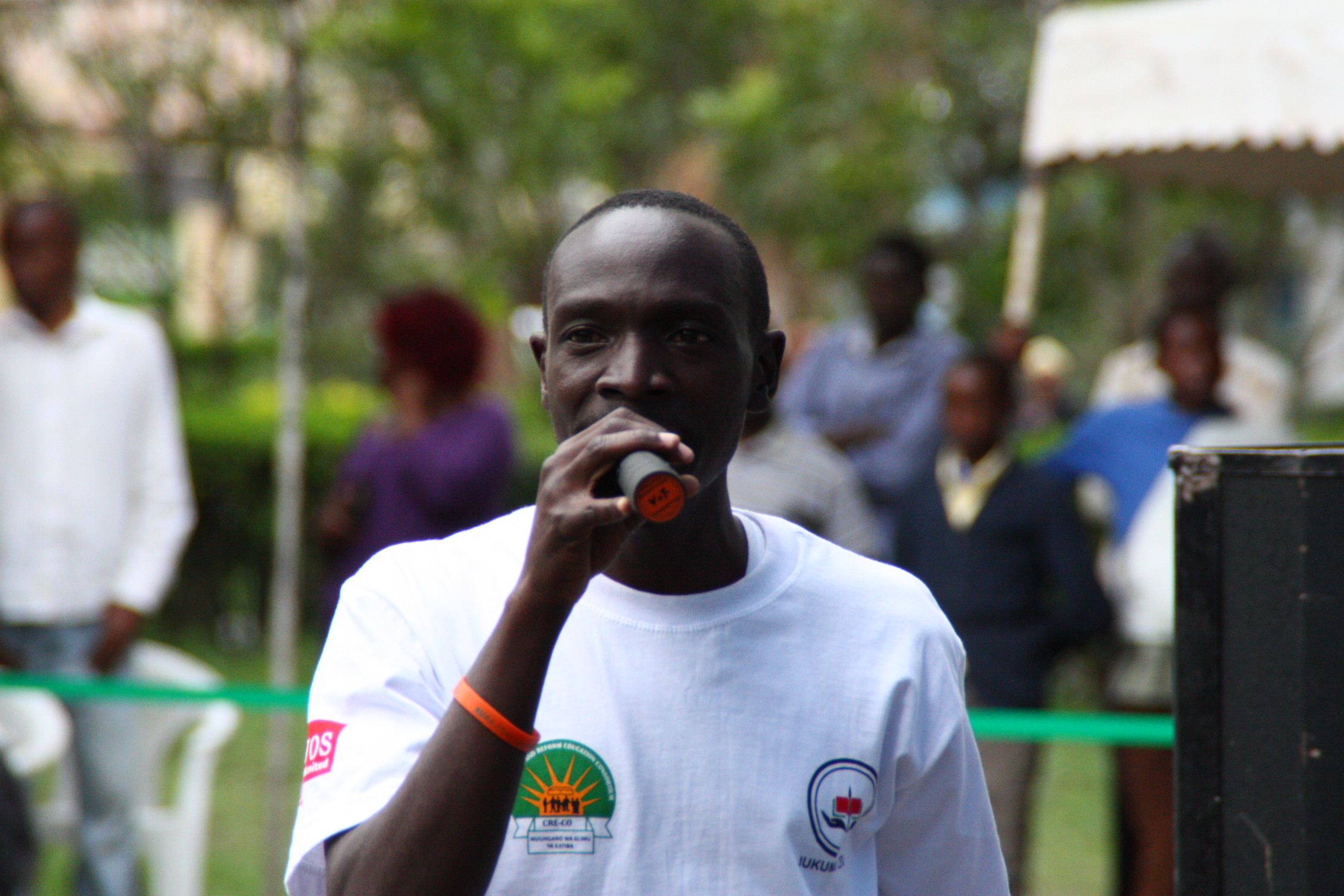
The first on stage were the puppeteers with their ‘Watu bila Wire’ comedy:

Jukumu Pic 9…which amused the audience:Jukumu Pic 26

They were followed by a performance by the guest artist of the day. The young man from Makueni County did not disappoint with his prowess on playing the guitar, or is it the prowess of “kukwata kawaya”:

Jukumu Pic 14

All this time the cameras were rolling:
Jukumu Pic 12…and the bloggers were twitting about the event:

IMG_9564

Then came ‘Dance into Space’ with their official performance:

Jukumu Pic 15…which was a blend of dance and recitation:

Jukumu Pic 17…and some acting:

Jukumu Pic 19

No sooner had the ‘Dance into Space’ left the stage:

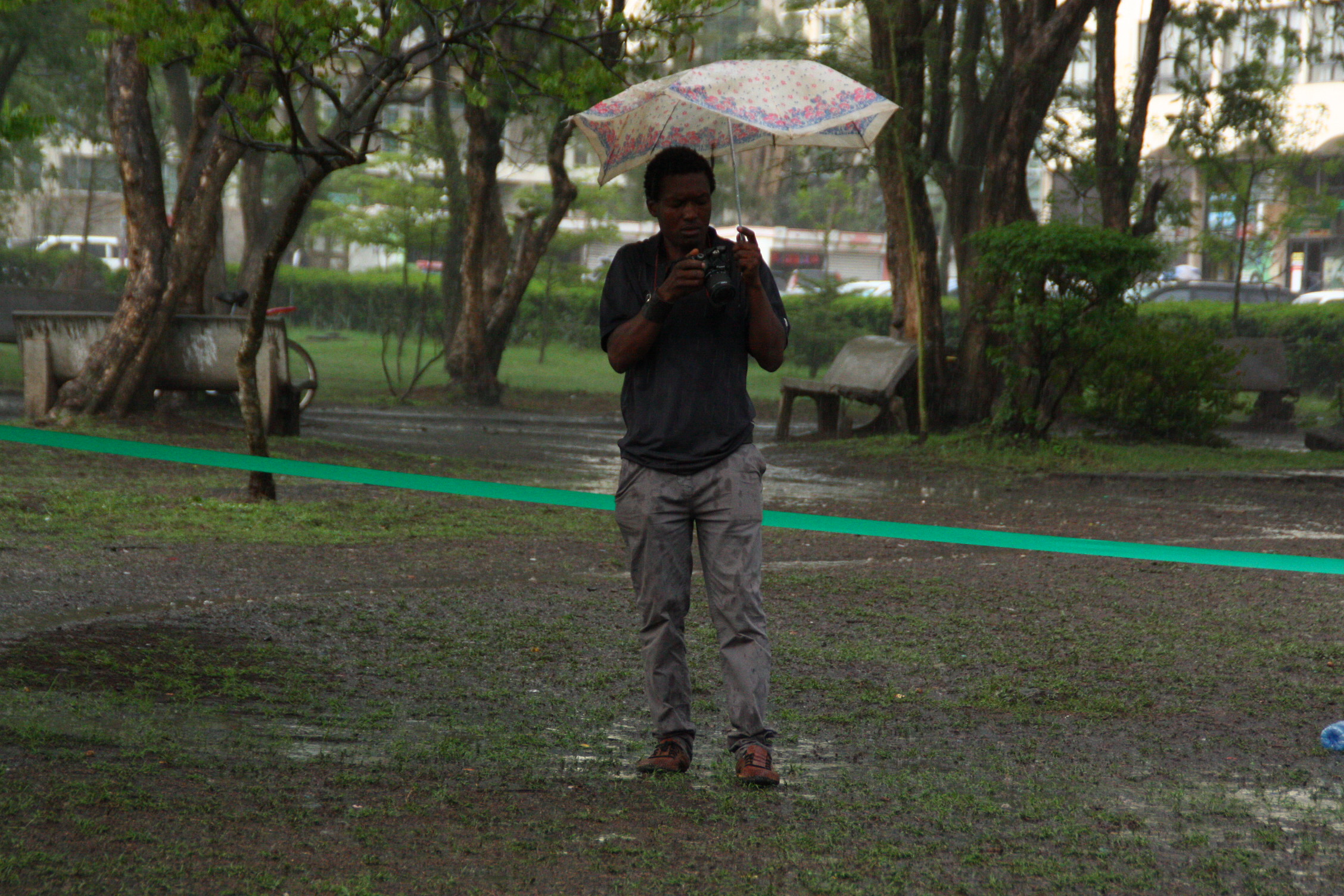
Jukumu Pic 20…than a heavy down pour took to the stage, literally:

Jukumu Pic 21

Still though, the photographers continued capturing the event:

Jukumu Pic 22

Then the musicians closed it with the ‘Jukumu Letu’ theme songs:

Jukumu Pic 24…and at the end Nakuru residents were reminded of their responsibility to track the process of implementation of the constitution:

Jukumu Pic 23 - Theme Pic

They were also reminded that, they live with the choices they make:

IMG_9344

What remains is for bloggers and journalists to track the process of how the citizens will keep that process of the implementation of the constitution on track:

Jukumu Pic 25

Kenyans Outraged by TV expose Plague for Profit


Last week, we featured  the story of Phyllis Omido, an environmental activist who battled against a lead smelting factory and eventually got it shut down. She won the prestigious Goldman award for her efforts. The factory in question is in the vicinity of Owino Uhuru slums in Changamwe, Mombasa.

The lead pollution from the plant has caused a lot of misery to the residents of Owino Uhuru slums. People have died, women miscarried and children have lost their cognitive abilities due to lead poisoning. For her efforts, Phyllis Omido has paid a heavy personal price.

The factory owners were behind her trial in 2012 in what can be summed up as judicial harassment. She has been threatened with text messages telling her to stop speaking about Owino Uhuru. She tells of how she escaped an attempted kidnapping and had to move houses after armed men came after her.

It got so bad that she would sleep under the bed with her son,

“….if someone peeked through the window they wouldn’t have been able to see us.”

The perpetrators of these crimes and their accomplices were finally exposed in an investigative documentary aired on KTN on 26th March. Kenyans gave their feedback in a lively debate which has been trending under  and .  An outraged citizenry, has been expressing its shock and disgust for blantant human rights abuse, greed and corruption.

The factory, Kenya Metal Refinery, operated in full accordance to the law. They had all the necessary licences and clearances despite the deadly pollution. Questions about how they manged to get all the licences and who facilitated them were brought up. National Environmental Management Authority (NEMA) especially, will be hard pressed to explain how they cleared Kenya Metal Refinery and were unaware of the pollution going on.


The report shows how local leaders were involved in the factory. Former Changamwe MP Ramadhan Kajembe who was also an assistant minister for environment could was hard pressed to explain how the ills of the factory escaped his notice all that time he was MP.

In another twist, Nyali MP Hezron Awiti was exposed as the owner of the building that houses the factory. This elicited strong reactions against the two politicians, who are seen to have colluded with an industry that resulted in the deaths of an electorate they should have been protecting.

Phyllis Omido is not relenting in her quest for justice for the poor slum dwellers. She wants to see justice served against those that covered up and facilitated the crimes against Owino Uhuru residents. For now, she has the public’s support. Will the wheels of justice move?

Madness ensues as rains pound Nairobi

2
Overnight rains inflicted some indignities on Nairobians trying to get to work on Monday morning. (Photo/Twitter)

There have been chaotic scenes on the streets of Nairobi on Monday morning after rains pounded the city for much of Sunday evening. Nairobians trying to get to work found themselves having to contend with flooded roads as a result of the city’s ineffective drainage system’s inability to keep up with the overnight deluge.

The Sunday night rains appear to have hit Nairobi’s South C area particularly hard with residents complaining that the torrents had turned roads into virtual rivers because of the poor drainage system.

And whose to blame for the ineffective drainage system? While some are quick to put the blame squarely on the shoulders of Nairobi Governor Evans Kidero, a few Nairobians feel that perhaps we shouldn’t look too far from ourselves.

By Monday morning, some South C residents had christened the city’s newest geographical feature the “South Sea!”

And what’s a sea without a cruise ship? Albeit of the of the “Sonko Rescue Team” variety.

It’s not all bad news though especially for Nairobi’s cart operators who have found business opportunities amid the chaos caused by the rains.

More updates to follow.

Rising insecurity drives fear into Tuk Tuk operators in Mombasa

Tuk Tuk in Old Town Mombasa
Tuk Tuk in Old Town Mombasa (www.willtravellife.com)

Tuk Tuk drivers in Mombasa are a scared lot. They won’t take your money if you ask them to take you to some parts of Mombasa. They allege that there are serious crimes being committed and they are the main targets.

Ms Umi passed by a popular Swahili food restaurant that opens until late. She was not worried about the time at all because Tuk Tuks are plenty in Mombasa whichever time it is. She stepped out of the restaurant some minutes after 10 pm and hailed one Tuk Tuk after the other. None was willing to take her to where she wanted to go. Even an offer to increase the fare did not work.

What Umi did not know, is that Tuk Tuk drivers have blacklisted some areas of Mombasa where they simply don’t go. In some of these places, the situation has become so bad, they won’t go even in broad daylight. They are being robbed violently with stabbings being reported in most of these cases.

Mombasa, especially the Old Town area has many narrow streets. It is one of the reasons why this town has the highest concentration of these three wheelers in Kenya. They maneuver easily in the narrow streets, are cheap, convenient and operate just like taxis.

However, the deteriorating security situation in Mombasa has resulted in an increase of robberies and made some streets no go zones on foot after nightfall. For sometime now, Tuk Tuks were able to take people through the risky areas, until the drivers became targets of vicious attacks. The Tuk Tuk drivers claim that the residents are not attacked and almost all the attacks happen after dropping their clients.

One driver narrates how he took an elderly lady home to deliver 2 bags of cement against his better judgement. Even before he was done offloading, local youths were hovering menacingly waiting to pounce. He was saved by the elderly lady who went back with him until he got to a safer area. He thought he was safe during the day. What irks the Tuk Tuk drivers is the fact that the criminals responsible for the knife stabbings are very young, in their teens and most likely living with their parents.

“Why are they being protected by the community?”,

one driver asks. Mombasa County Commissioner Nelson Marwa corroborated the criminals age in February when he said they were about 14 and 17 years of age and were known to the police.

Mombasa Governor Ali Hassan Joho has fired a warning.

“Enough is enough. We are putting the parents of those youths on notice and if they will not stop terrorizing people, we will move house to house with the police and arrest them. We will even hire lawyers to make sure they are properly prosecuted and jailed.”

The wave of these violent attacks has prompted the area leadership including top political leaders and security officers to establish a community policing unit in Old Town and Majengo. At a recent security Baraza Governor Hassan Joho and Mvita MP Abdulswamad Nassir, Senator Hassan Omar among others agreed on the formation of a community policing unit that will be manned by the local youth and police.

However, the Tuk Tuk operators say there has been no change in their security and they have cut off some routes from their operations. These areas includes Old town- Mlango wa papa road, Kuze road, Pigot place and environs. In addition they are also steering clear of the Majengo area including Masjid Musa area, Kingorani and areas around Mwembe Kuku.

The days when one could walk in any part of Mombasa and feel safe are gone, now even Tuk Tuk and Taxi drivers are scared of going to some areas.

SwahiliBox arts initiative launched

0
Swahili Box Arts launch
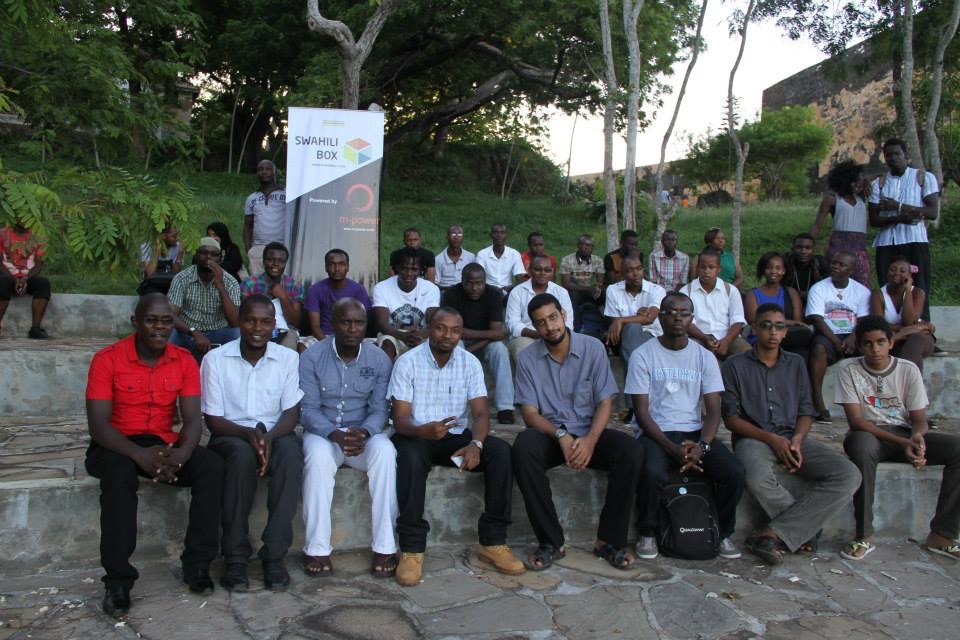
Participants at the SwahiliBox Arts launch

SwahiliBox the Technology Open Space in Mombasa, Kenya which focuses on socio-economic technology empowerment has been launched. The initiative is geared towards the propagation of arts, heritage and culture within Mombasa and Coastal Kenya, by means of using technology as a tool. This initiative will encapsulate various key players and artists in the arts and heritage sector.

This will therefore include also bloggers, poets, spoken word artists, writers, amongst others. SwahiliBox is working with Fikirah Teule, a Mombasa based hip hop artist to create a working digitization framework for artists for the days to come.

Swahili box arts initiative is motivated by the wealth in Mombasa and the Coast of Heritage and Culture, and the fact that there are no initiatives standing to propagate this gem.

Participants at the SwahiliBox Arts launch

The agenda during the launch was to get the relevant people together, and talk about the framework, this was rolled out in the form of “cocktail”, where performances were mixed up with speeches and talks.

Dancers, musicians, poets, photographers and other artists graced the occasion, and entertained the participants at an iconic location facing the Indian Ocean. It was a gathering of some of the most talented people in Mombasa and hopefully the start of an initiative that will benefit them.

According to Jamila, a Mombasa based blogger

“It will be a great platform for artists to digitize their work to reach a wider audience. There are many online channels that can be utilized the right way for the artist to showcase their work. This will bring more recognition for coast artists.”

This is a brilliant idea that will really go a long way in developing and growing the coastal art scene. It is a unique opportunity for Coast-based artistes to make a collective effort at promoting their own. With provision of a conducive environment at the Swahili Center, and resources such as high speed Internet access will help accelerate/increase the distribution of artistes’ works.

“If handled well, this has the potential of causing an interruption in the ways art and talent is disseminated and appreciated/consumed. It would be prudent, however, if the initiative also looked at helping the artistes form SACCOs as well as handling issues of intellectual property rights,” added Ese.

Swahili Box Arts will enable artistes reach a wider audience as they promote arts and culture. This initiative will change the scene for the better and create opportunities for lots of people. Working with partners from here and beyond, Swahili Box Arts will grow as a platform whose impact will be felt in East Africa.

Dissolve Makueni County, says petitioner


Commission of Inquiry on Dissolution of Makueni County Chair Mohammed Nyaoga (right) and Commissioner Taib Ali Taib during the hearing at KICC Read more at: http://www.standardmedia.co.ke
Commission of Inquiry on Dissolution of Makueni County Chair Mohammed Nyaoga  and Commissioner Taib Ali Taib at KICC
Photo:Standardmedia.co.ke

The Commission of Inquiry on the possible dissolution of Makueni county started its public hearings on Thursday 23, 2015 with one of the lead petitioners Francis Mailu outlining why president Uhuru Kenyatta should grant the petition filed by more than 50,000 residents.

Mailu who is also the County Wiper Party Chairperson, said the constant wrangling between the Governor Kivutha Kibwana and the Members of the County Assembly (MCAs) led by Speaker Stephen Ngelu could not be resolved amicably and that disbandment of the county government was the only solution to end the stalemate.

Mailu told the Mohammed Nyoga -led commission that the disagreements between the governor and the MCAs over budgetary allocations for the last two financial years in row had impacted negatively on operations of the county making it lag behind in terms of development.

“We have sat and watched painfully as other counties reap the benefits of devolution by launching several development projects while the residents of Makueni continue to suffer due to lack of basic facilities like access to health care,” said the petitioner.

Mailu said efforts by the clergy and other leaders to have the two warring factions iron out their differences had failed with the wrangling taking a violent turn after six people were shot and seriously injured at the county assembly chambers when the governor stormed a leaders’ meeting, which he had not been invited, apparently convened to discuss the infighting.

The petitioner sensationally claimed the shooting was a well-orchestrated plan by the MCAs to eliminate the governor, a clear indication that the two arms of government could not work together.

“When the Majority leader Francis Munyao saw the governor he said “kala kamundu ni kaa, minai”(sic) to mean the man (Kibwana) who has been troubling us has come, finish him,” he said.

Witchcraft also featured in the petitioners statement saying that the members of the county executive had claimed that the county assembly had cast spells on them.

“A witch doctor by the name ‘Mulika’ was sought to cleanse the county chambers forcing the MCAs to relocate their sittings to Malili for fear of the ramifications but the place was later cleansed by the members of the clergy,” he added.

Mailu further castigated the MCAs for failing to pass key legislations among them the Sand Harvesting and Alcoholic Drinks Control bill.

“Illegal sand harvesting is very rampant in the county with many rivers drying up due to the activity. We needed laws to regulate the activity but the assembly has delayed while several people died after consuming a toxic brew due to lack of the Alcoholic drinks law,” he said.

The petitioner noted that “It for these reasons among others that the residents files a petition to have the president suspend the county government.”

The inquiry chair Nyaoga said that the commission will expedite its works and deliver its findings in the shortest time possible. The commission has six months to execute its mandate and forward its report to the president.

The inquiry kicked off despite Mbooni MP Kisoi Munyao filing a case in the High Court to have the public hearings of the inquiry stopped arguing that many residents did not understand the petition.

Thorough his lawyer Tom Ojienda, Kisoi had argued that the reasons for the petition had never been made public and many residents were not in a position to surrender statements of a petition whose contents they are not aware of.

“The commission has never published the contents of the petition nor did the county government conduct civic education to enlighten the residents of the petition,” argued the MP before Justice Mumbi Ngugi .

Justice Mumbi however rejected the MP’s plea saying that suspending the sittings would be an injustice to the people of Makueni.

The commission has adjourned its sittings in Nairobi and will convene a public hearing in Makueni on May 5.

Kilifi County gets connectivity boost

0
Kilifi Liquid Telkom Fibre
Liquid Telkom staff lay fibre optic cable.

For many months, it hasn’t been clear who was digging up the ground between Mombasa and Kilifi. Majority of the people thought it was one of the mobile operators. There was palpable excitement when it emerged that a fibre optic cable connecting Mombasa to Kilifi was being laid by Liquid Telkom. In the last one week, Kilifi residents have witnessed the laying of the cable connecting various parts of the town in a 10km Metro network.

The prospect of faster internet in the town excites many who have suffered with slow and somewhat unreliable internet.

Kilifi town is only about 50km from Mombasa. However, internet connectivity is the county’s biggest challenge despite its closeness the Mombasa where all the submarine cables landed. Residents have to rely on the mobile operators whose connection falls to 2G in most places due to the expansiveness of the county.

The cable is part of an Information Communication and Technology (ICT) plan by the Kilifi County Government to digitize services in sub counties. With this cable, connectivity will be enhanced and services digitized, improving the speed and quality of the county’s delivery. The Governor, Amason Kingi hopes that the cable will ease communication with administrators in sub counties by use of video conferencing.

“ICT was rated one of the key centre stages for economic development in the county’s Integrated Development Plan,” said Govenor Kingi.

Liquid Telecom’s Paul Stratham said,

“The laying of the fibre optic cable under the 10km Kilifi Town Metro program will provide opportunity for the private sector to be connected and improve their service deliveries to their clients.”

This cable will connect 11 ministries in Kilifi via the Metro network, two other ministries connected via microwave and four remote sites connected on very small aperture terminal (VSAT).

Betty Bundotich, chairperson of the Kilifi Residents Association, welcomed the move.

“Internet connectivity is one of the biggest challenges to doing business in Kilifi. Any improvement in this will go a long way for business in Kilifi.”

Kilifi is a tourism hub and having internet connectivity will enhance this sector as more content will find its way online with the reliable connection in place. It should spur content generation around places like Watamu, Malindi and Kilifi showcasing the attractions. Photos and video content needs reliable, fast and affordable internet.

Biko Wesa, a Kilifi based photographer is sometimes forced to move to Mombasa for a few days to access good internet.

“Whenever I’m doing a heavy project that needs lots of uploads, I go to Mombasa for a few days because we don’t have good internet speeds in Kilifi. Uploading video is next to impossible here.”

In Kenya, Internet connectivity contributes to 2.9 per cent of GDP. It is expected that the fibre network will spur job creation in the county as well. Already, Liquid Telkom projects that 30 jobs will be created during the installation and management of the network. In addition, major businesses can now setup up operations in Kilifi and maybe a tech hub of its own.

The fibre connectivity will also benefit institutions such as Mount Kenya University, Kenya Medical Training College (KEMRI) and Pwani University who can will now have the infrastructure to integrate e-learning programmes.

Cholera in Mombasa continues to spread

0
Mburukenge slums Mombasa
Mburukenge slums Mombasa (www.flickr.com)

The rainy season in Mombasa brought along with it unwanted issues. The weatherman announced the onset of the short rain season and said the rains would intensify fro mid-April till around June. It was also predicted that outbreaks of waterborne diseases were likely, unless preventive measures were taken. A few weeks since the rains started and Mombasa County is grappling with a cholera outbreak.

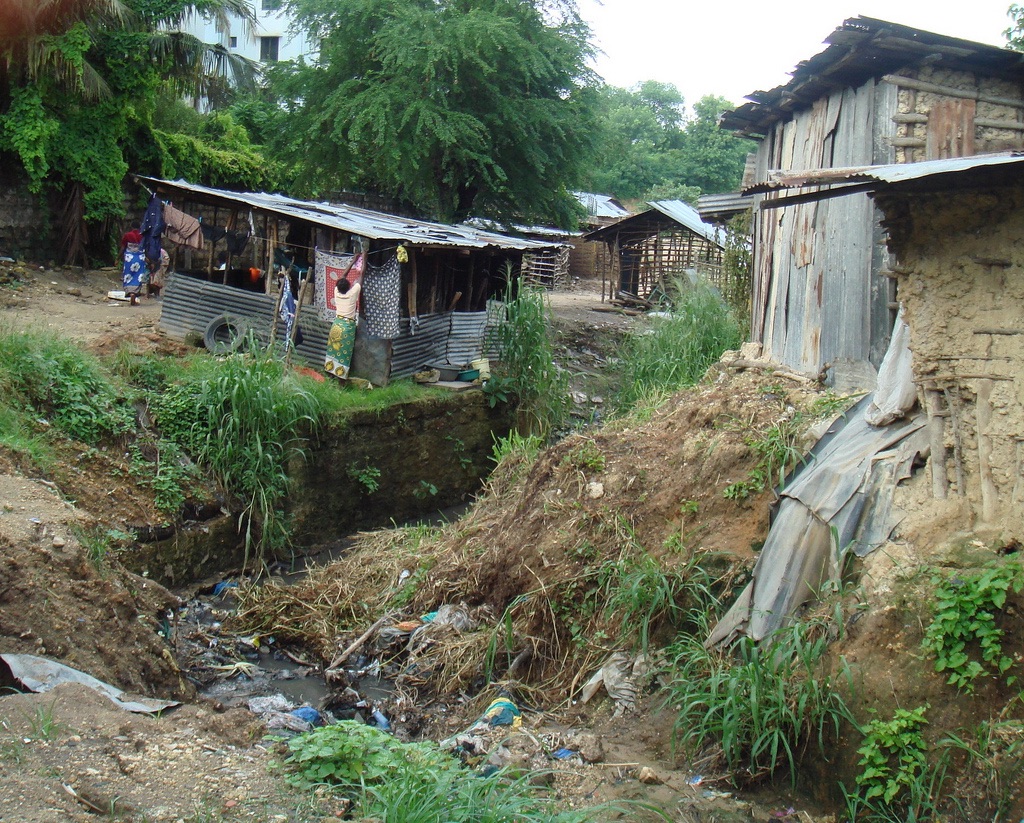
The disease has already claimed more than 5 lives while more than 20 cases have been reported at the Coast General Hospital and have received treatment. The cases were reported from Likoni and Mburukenge slums in Buxton. Meanwhile, Magongo, Likoni, Mshomoroni and Changamwe were reported as being high risk due to the sprawling slums developing there. Many residents of Mombasa now fear for their health as the cholera situation has not been brought under control.

Cases have now been reported from Miritini, Jomvu and within Mombasa Island. The poor drainage situation and the heavy rains are helping the spread of this deadly disease.

Congestion and poor sanitary conditions have been blamed for the outbreak.

“The way this place is littered with open sewers everywhere and we have our children playing outside, it is very easy for them to catch the disease. We have been given aqua-tabs by some people from the government to help control this cholera outbreak,”

said Manage Mulwa, a boda boda operator at Buxton who lives in the slum.

“The county government needs to come up with a solution fast. They should ban these women who sell foodstuffs by the roadside and in kiosks because they are high risk areas,” says Kelvin Mbela, a Mvita resident.

Alex Mwangi, who lives in Ganjoni and works in the Moi Avenue area thinks it’s time the government actually fixed the drainage system once and for all.

“Now that it is the rainy season, the rain water collects on the roads due to poor drainage. This water mixes with sewerage and then it is only a matter of time before everyone is sick,” he explains.

The County Health executive, Binti Omar, has been quoted saying the government was putting in place measures to contain the outbreak, including spraying garbage sites and setting up three isolation units in the Coast General Hospital to handle those infected. She also encouraged Mombasa residents to maintain high standards of sanitation and exercise extreme caution when buying food from open hotels.
The county executive reiterated the government’s commitment to keep the county disease-free. She added that the government was providing free chlorine at all health centers across the county for water disinfection.

It is hoped that these efforts, together with residents’ cleanliness and caution will help stem the disease from spreading further, infecting new people.

Image Credit 

Makueni County launches a rabies elimination strategy

A Makueni resIdent carries his dog after vaccination last year during the World Rabies Day Photo:Standard Digital News
A Makueni resident carries his dog after vaccination during the World Rabies Day last year
Photo:Standard Digital News

Rabies has been ranked as one of the top five priority zoonotic diseases in Kenya and according to the Ministry of Health, an estimated 2,000 people mostly children die annually from rabies related complications.

Makueni County, is one of the counties in the country that suffer the highest burden of human deaths due to rabies. Others include Kisumu, Siaya, Machakos and Kitui.

Its is against this backdrop that the County Government through the Department of Veterinary Services has launched a free mass dog vaccination exercise aimed at eradicating dog – mediated rabies.

County Director of Veterinary Services Dr.Timothy Wambua told Kenya Monitor in his office at Wote, that the exercise expected to kick off next week is a rabies elimination strategy that will provide a systematic reduction of the zoonotic disease through sustained mass dog vaccinations.

Dr.Wambua said that an estimated 125, 706 dogs across the county will be targeted during the vaccination and called for collaboration between residents and relevant stakeholders to help create and maintain a rabies -free county.

“Mass dog vaccination is the single most cost effective intervention to control and eliminate rabies and we ask all residents to ensure that their dogs are vaccinated during the exercise,” he said.

Acting County Health Executive Dr. Andrew Mulwa speaking in Kathonzweni during the World Rabies Day retaliated that the Department of Health will provide vaccines against rabies in all health facilities in the county to help save lives.

Dr. Mulwa said that the fight against rabies required a multi-sectoral approach adding that his docket will ensure easy access of the rabies treatment by stocking enough vaccines.

“ We shall collaborate will all relevant stakeholders to eliminate rabies in the county in the next three years,” he said.

According to Wikipedia rabies is a viral disease that causes acute inflammation of the brain in humans. Early symptoms can include fever and tingling at the site of exposure followed by violent movements, uncontrolled excitement, fear of water, an inability to move parts of the body, confusion, and loss of consciousness and eventually death.

However, the disease can be controlled through timely treatment or dog vaccination with vaccination being the most effective way of controlling the disease.

Relief as nurses in Mombasa resume work

1
Striking nurses
Striking Nurses (www.citizennews.co.ke)

The recent 7 day strike by nurses in Mombasa County which paralyzed operations at the Coast General Hospital and other health centers in the county ought to be a wake up call to both the county and National governments.The striking nurses’ gripe with the county government was that their statutory deductions for the National Hospital Insurance Fund (NHIF) and National Social Security Fund (NSSF) had not been remitted to the national government; besides also demanding dues to their union and uniform allowance.

This did not go down well with the county government. The response from the Health Secretary was to issue a threat to sack the nurses if they failed to report back to work. The official said the government has the numbers to replace the striking nurses, having advertised 52 nursing vacancies for applicants to be interviewed on 27 of this month for which it had already received over 500 applications.

There was a standoff as talks between the county government and officials of the nurses union failed to agree. At some point, doctors in the county threatened to join the strike, claiming their work was difficult without the nurses.

Many patients across hospitals in the county were left to ponder their next move as there was no one to attend to them. The worst hit were patients at Makadara and Port Reitz Hospitals. Wounds festered as they were not closed and many patients opted for discharge to look for medical services in hospitals outside the county. The number of deaths as a result of this strike is still unconfirmed, a tragedy for the people who hoped that devolution would bring better services.

The stalemate seems far from over as accusations and counter-accusations fly between the Kenya National Union of Nurses and the Mombasa County government. The union secretary general Seth Panyako claimed Mombasa Governor Hassan Joho indicated he is no longer has any interest in dialogue with the nurses. As such then, the union indicated it was putting in place measures to start negotiating directly with the national government. Mr. Panyako says the county government is ill-suited to handle matters of health.

A court order obtained by the county government compelled the nurses to return to work as talks continued. A return-to-work formula was signed before the nurses resumed work. Speaking after the agreement was signed, Mr Peter Maroko who is the Mombasa branch chairman of the nurses’ union urged all members to return to work, saying they’d be back in court if the county government fails to meet the nurses’ demands by May 2, sentiments that were shared by Mr. Panyako.

Mombasa residents will for now be relieved, while they nervously look at the ticking clock as May 2nd approaches. They can’t afford another strike and another disruption to the health services.

Nakuru residents to laugh at themselves at the Jukumu Letu launch

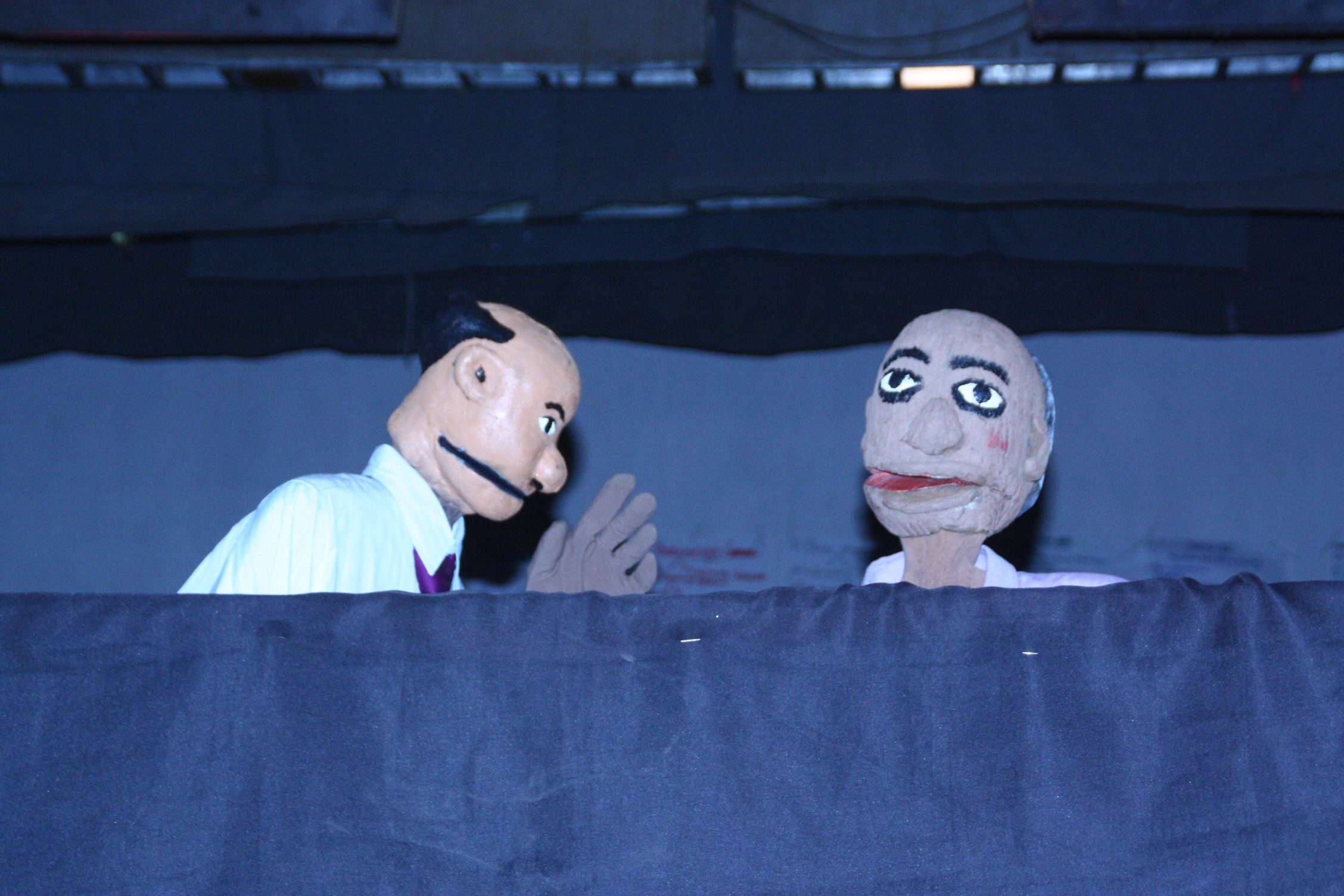
Puppets
The puppets that will be showing the conflicts in the county between Governor Mbugua and hawkers and among MCA’s (Photo/Kioko).

Nakuru residents will be reflecting at the issues that concern them most today at the Jukumu Letu campaign launch.

The event will take place at the Nyayo gardens and is free for all. There will be performances from various art groups among them cartoonists and musicians. But it’s the nature of the performances that will leave the residents laughing at themselves as they reflect on the issues.

A puppetry performance will be ‘laughing’ at the resent fights among Members of the County Assembly (MCA’s) that saw President Uhuru Kenyatta form a committee to investigate the squabble.

The performance also enacts the removal of hawkers from the center of town that has seen the Governor Kinuthia Mbugua administration rub shoulders the wrong way with the hawkers. In the performance question questions are raised on the validity of the exercise which has been said to be aimed at ‘cleaning’ the town so as to reclaim Nakuru’s ‘lost glory’.

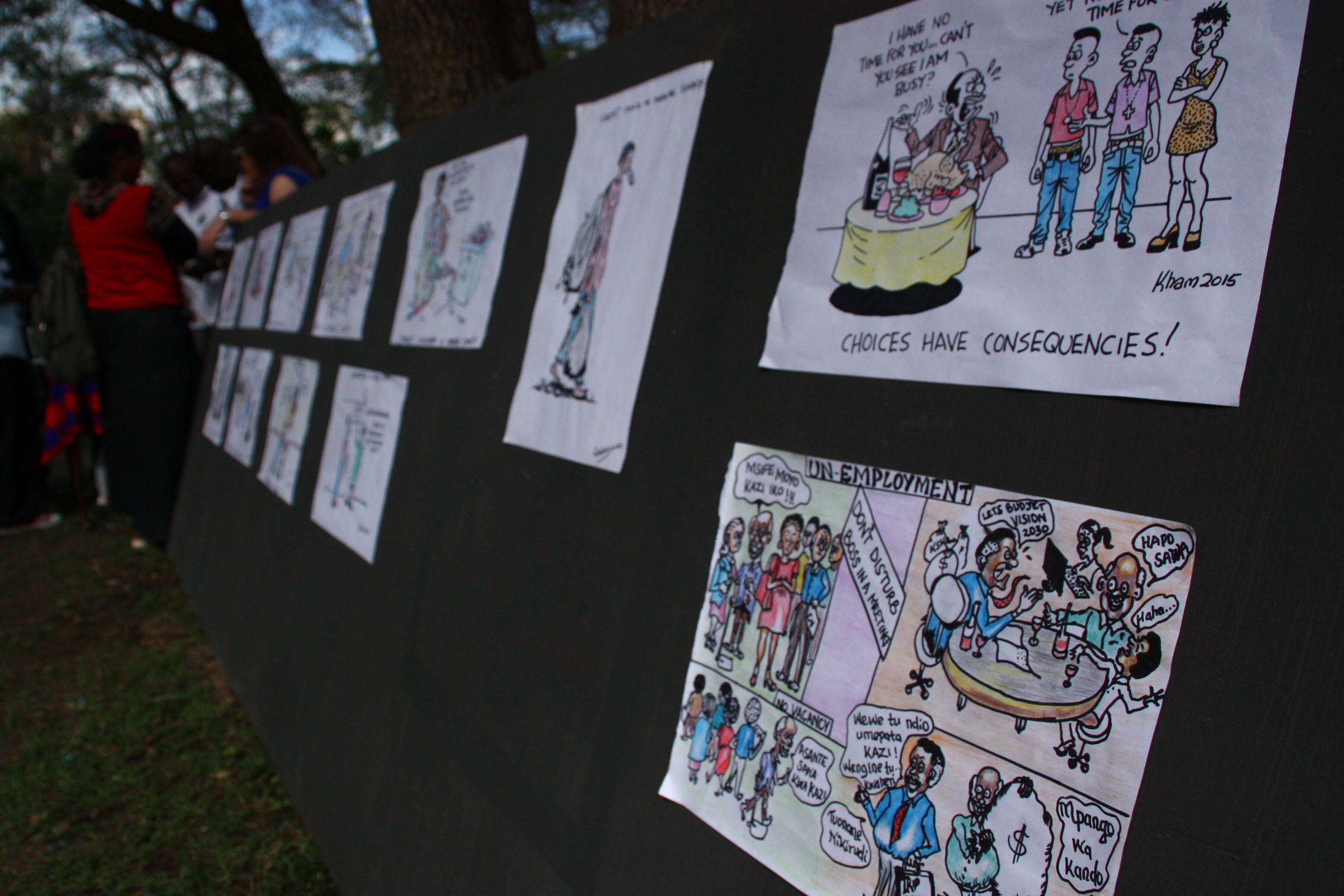
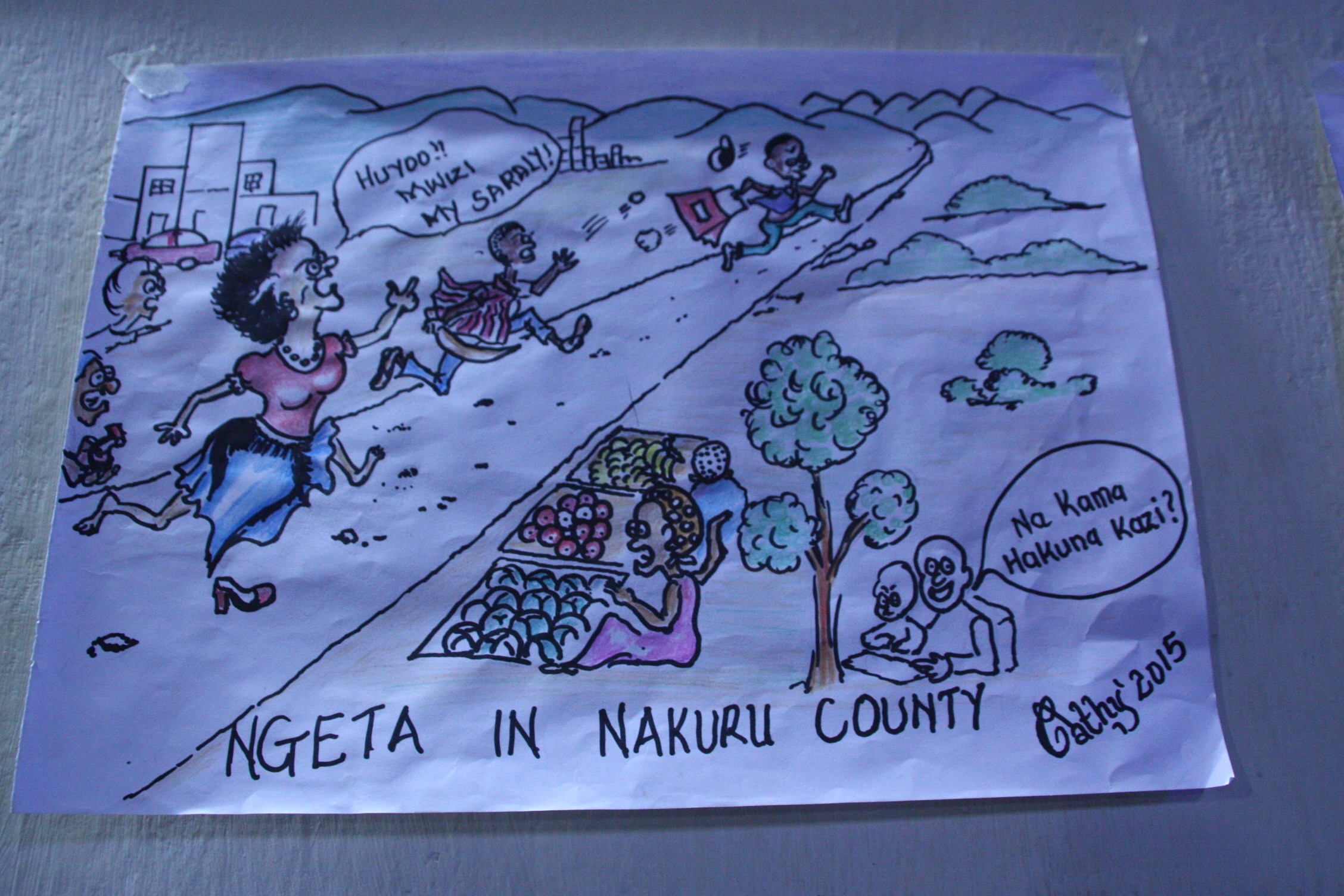
Other artistic expressions that are bound to attract citizens are cartoons that have been drawn by a group of four cartoonists led by veteran and celebrated cartoonist James Kamawira aka Kham.

Cartoon on Ngeta
Led by Kham the cartoonist will showcase different cartoons on the problems afflicting residents.

The different cartoons show the various issues that the county is facing including corruption, drug abuse and misuse of public offices.
Kham has told Kenya Monitor that they discussed that the issues they have identified in the cartoons are real.

“We discussed the issues affecting the county. This is what informed the work.”

Commenting on the work a Kericho based artist Kimani wa Wanjiru said what made the cartoons stand out was the fact that they had multiple interpretations.

Other key performances will be from the Dance into Space and Sarabi Band, all of which have trained local artists in bringing out the issues affecting the county through dance and music.

Dance into space 2
A Dance into Space artist during rehearsal at the Nakuru Players theatre. The dancers will also perform at the launch (Photo/Kioko).

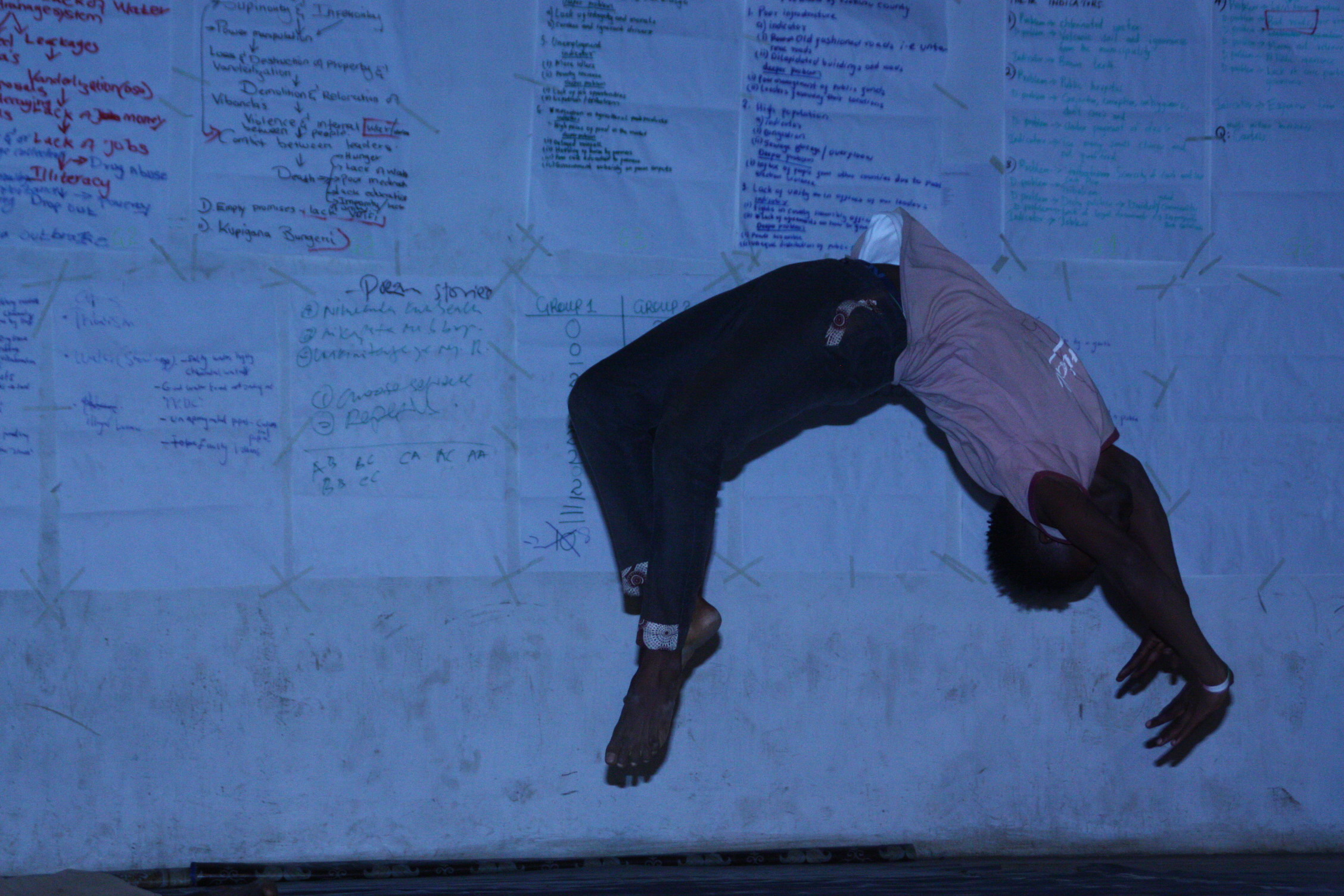
Dance into Space will do a rendition of dance and poetry which laughs at the issues. Within the dance they will also act scenes of corruption.

Musicians
Mandela of Sarabi Band will be leading the musicians in today’s performances (Photo/Kioko).

Sarabi Band will do songs calling on citizen participation that aims to keep devolution on track.

“One plus one is equal to two, I need you and we can bring the change we need,” says a verse of one of the songs.

All these performances are what one would describe as art that ‘tells the truth laughingly’.