Tuesday, December 16, 2025
Home Blog Page 2

Spotify video podcasting tools expand to creators wordwide

0

Spotify is expanding its video podcasting capabilities to creators in more than 180 markets globally where its podcast creation software, Anchor is currently available.

The podcasting tool has been under testing since last year. in April this year, Spotify launched to a select group of users in key markets.

The move puts Spotify in a close-knit competition with YouTube, which has made huge investments in video podcasts including hirings that are geared towards growing its podcast popularity.

. In August, YouTube took another big step into this space with the launch of a dedicated podcast homepage in the U.S. Both companies try to compete with each other that’s why Spotify is happy to talk about the expansion of its video recording functionality. The company will not share any sort of metrics about the traction its video podcasts are seeing right now either in terms of creation or viewership. Moreover, the company only responded to our inquiries by stating that it’s “excited about the growth”

Spotify has been heavily focusing on podcasting, video, and non-video alike. The music streamer spent more than $1 billion on podcast-related acquisitions. During Spotify’s 2022 investor day event, CEO Daniel Ek stated that while the company is still in investment mode for podcasts, it believes the vertical has the capability for a 40-50% gross margin.

Spotify has also adopted video podcasts  that  include both Spotify Originals and other shows, including “Call Her Daddy”, “Diary of a CEO” and the “Always Sunny Podcast.”

Spotify also did not disclose if its video podcasts increased the time users spent directly watching the shows on their phones or computers.  The company noted that creators don’t necessarily have to switch to video entirely to leverage the new format. Users can choose to diversify their content types by publishing some visual episodes together with their traditional audio podcasts.

The company did not share metrics about the traction its video podcasts are getting right now in terms of creation or viewership but it disclosed to Phone World media  that it’s “excited about the growth”

South Africa allows Kenyans 90 day visa-free visits

0

The president of South Africa in a meeting with President William Ruto on Wednesday said they have resolved a long-standing visa dispute and Kenyans will be able to visit South Africa visa-free for up to 90 days in a calendar year starting January 2023.

The two leaders also agreed on a return policy when immigration laws are breached. Travellers who breach the law will be subjected to hefty penalties.

“Kenyans holding ordinary passports will be allowed to enter South Africa on a Visa-Free regime for up to 90 days per calendar year,” President Ruto said.

South Africans already get free visas on arrival in Kenya.

President Ramaphosa said, “this new agreement could take business and Tourism between Kenya and South Africa to greater heights”

From January 1 2023, Kenyans will no longer need to apply for e-visa or regular visas before travelling to South Africa for business or tourism. Originally, Kenyans have been filing an application for a ‘free’ visa at an agent of the South African High Commission which charges an ‘application fee’ that takes care of the paperwork. The visa comes out after about four working days.

With the new agreement, all Kenyans will need is an invitation and return ticket, as well as proof of vaccination for yellow fever and Covid-19. They will also need proof of financial ability to stay in South Africa during the intended duration, for the case of tourists.

Opinion: The Ruto Naysayers Step Up and Help Him Lead; or Shut Up and Be Led

For his entire tenure, retired President Uhuru Kenyatta lived with the burden of illegitimacy as a result of the cloud of uncertainty over his electoral victories in 2013 and 2017, as well as the handshake. He was branded a thief, both electoral and economic, and a political conman; with almost 50% of the population, majorly from the opposition strongholds, deeming him not worth leading them, nor worth working with. But even with his hits and misses, he still led for 10 years! A word from the larger Western region and Coast was that “we cannot work with an election thief”, all this under the incitement and (mis)leadership from self-serving politicians whose only mission was self-preservation and self-aggrandizement as was witnessed by the 360 turn after the handshake. Unfortunately, the presidency of President William Ruto has started on the same spiteful and inciteful note and such retrogressive traits must be arrested lest we end up with another ‘Ichaweri Ending”, this time round, for the people:


Our Honorable Legislators, please demonstrate your opposition to the ‘bad government” by proposing meaningful and realistic alternatives through actionable legislative and policy interventions, and by progressively and selflessly undertaking their constitutional roles of representation, legislation and oversight; IN PARLIAMENT and other constitutionally gazetted spaces; not in funerals, rallies, churches and media. As a legislator, you can also support the implementation of the government agenda by engaging your people, mobilizing and organizing them into meaningful economic groups and exposing them to the opportunities in government and other local and international spaces. Support the government by refusing to be corrupt or a blind loyalist of your party leader; engage and collaborate with other government and development agencies, and private entities, to ensure continued community impact, and bring partners and investors to create jobs and business opportunities for the jobless people in your areas.

As a Governor, and with the devolved functions and the massive revenue potential in ALL the counties, stop complaining about the national government when, with judicious and fiduciary decisions, you can independently generate revenue for the development and empowerment of the people through prudence in the management of county resources, application of sound governance practices, and creation of meaningful people focused development partnerships and investment alliances. 

To The Professionals and Business People, be legal and ethical, and manage your hunger and ambition. The Quantity Surveyors must stop overestimating the Bills of Quantities on the government. The Engineers and Project Managers must stop doing or approving shoddy work. The Accountants and Auditors must stop cooking books of accounts and covering up for the crimes. Doctors and other Medical Professionals should stop stealing drugs and other health paraphernalia in government hospitals. The Procurement Professionals must evaluate and award tenders based on merit and value for money to the people. The Educationists must do their job within the stipulated timetable. If the time or money is not enough, don’t take the job, resign, or pick it up with the relevant government agencies, don’t load that burden on the parents. They are just voters like you, most of whom are without a salary or reliable income like you. 

And most importantly, to the citizens. . . DO YOUR JOB! You hired people to work for you, follow them up and ensure that they do that work that you hired them to do, if not, FIRE THEM. Start with the MCA, MP and Governor; don’t just jump onto the President. Be intentional and take action because taking actionable action is your only job! And you can start by acquainting yourself with the constitution and its provisions, especially in regard to your role in the leadership that we have and your part in the mess that you are complaining about.

Summarily, for the economy to grow to the citizen expected perfect standards, every citizen, public servants included, must do their job and do it perfectly. By being alive and alert to your civic responsibilities and rights as a citizen and “ordinary” leader, you end up being governed as you deserve and desire; because “you get what you deserve”, “you get what you work for”, and “good things come to those who intentionally make decisions and employ effort with righteous consequence”. That said, anyone who supposes themselves as a leader should step up, engage the leadership gear, and ideologically collaborate with the government in the delivery of its mandate. As for the followers, kindly shut up and accept to be led as is the nature of followers.

By Kennedy Odweyo, Blogger and  Political Economist

KEPSA LAUNCHES STRATEGY TO PROMOTE THE IMPLEMENTATION OF BUSINESS CLIMATE CHANGE SOLUTIONS

0

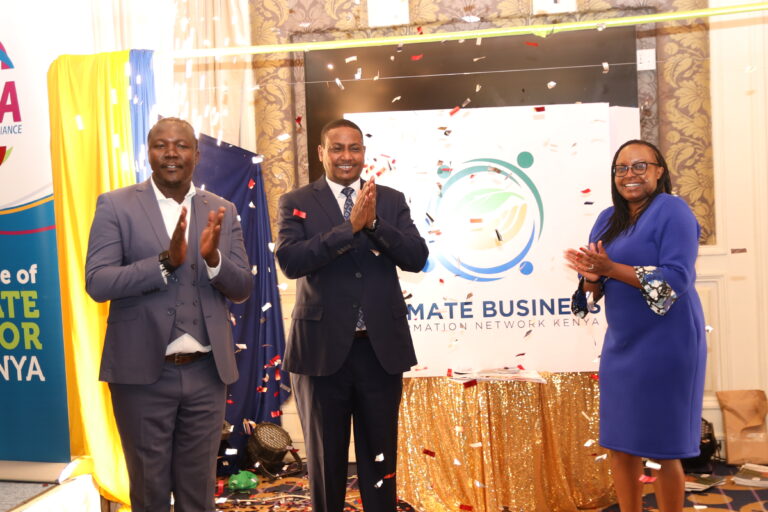
The Kenya Private Sector Alliance (KEPSA) in partnership with the  National Treasury and Planning, Ministry of Environment and Forestry and the Food and Agriculture  Organization of the United Nations (FAO) has launched the Kenya Private Sector Strategy On Climate  Change Solutions (2022 – 2030).  

The Strategy aims to promote coordinated and inclusive implementation of business climate change solutions anchored in four pillars namely, Climate change mitigation, Climate change adaptation and resilience, Climate information and capacity building and Public-Private Partnerships for climate change.  

Following the launch, the strategy now serves as the basis of private sector-driven decisions on climate change and presents the sector’s foremost step towards enhancing climate change mitigation and adaptation through investment, awareness creation and directing resources to combat climate change for business sustainability. 

Speaking during the launch, KEPSA Deputy CEO Martha Cheruto, noted that the private sector faces significant exposure to climate risk through its assets, operations, and supply chains, and thus has considerable reason to invest in climate risk management, to not only protect itself but also to harness new business opportunities arising from the changing climate.  

“The Private Sector Strategy on Climate Change Solutions in Kenya identifies actions that the private sector will take between 2022 and 2030 in contributing to the achievement of the government climate change targets and is positioned to be Kenya’s Business Commitment to Climate Action(B2CAK) for both Corporates and SME’s”, she said. 

The private sector has a clear agenda to address climate change challenges, not only through the mobilization of funds and technical resources but to also innovate and develop solutions to alleviate climate change risks and efficiently direct resources toward national climate and development priorities. 

The strategy has been developed using a multi-stakeholder approach through The Green Climate Fund  (GCF) NAP Readiness Support Project on ‘Enhancing Capacity for Planning and Effective  Implementation of Climate Change Adaptation in Kenya’. The project’s outcome on the private sector is to strengthen and institutionalize private sector participation and investment in climate change adaptation. 

FAO Kenya Deputy Representative, Hamisi Williams, noted that adverse climatic events in the recent past have caused major socioeconomic impacts affecting the whole country and continue to derail economic development while adding to the financial liability of drought, floods and habitat loss including biodiversity in plant and wildlife resources, as well as threats to coastal zones through continued rising sea-levels.  

“Today over 4.5 million Kenyans are facing the extreme risks of climate change through starvation with over 2.5 million livestock already lost to hunger. Kenya, therefore, needs to change its approaches by investing in technology to build the necessary ecosystem to help mitigate these two effects of climate change including for the first time after 70 years, the locust infestation in 2019-2022, which was further worsened by the COVID 19 pandemic,” he said. 

The strategy launch comes ahead of the 27th session of the Conference of the Parties to the United  Nations Framework Convention on Climate Change in 2022, scheduled for Sharm El-Sheikh in Egypt  from November 7 to 18 2022, which will boost climate conversations, mobilize action, and provide an  important opportunity for stakeholders to consider the current and emerging impacts of climate change  in Africa. 

Mamo B. Mamo, the Director General of the National Environment Management Authority (NEMA), while delivering the keynote address on behalf of Dr Chris Kiptoo, PS Ministry of Environment and Forestry,  said the strategy offers the private sector an opportunity to set institutional and strategic mechanisms to galvanize sector-wide resources toward a unified national climate change priorities approach. 

“Addressing the impacts of climate change and promoting green growth, necessitates a concerted effort from both the state and non-state actors. This strategy, therefore, will not only enhance investment in climate adaptation and mitigation actions but will also promote coordination and effectiveness of the private sector’s response to climate change by the country’s plans, policies, strategies, and programs,” he said. 

With an estimated eighty-four per cent of the country’s land mass classified as Arid or Semi-Arid Lands  (ASAL), Njoroge Gatheca the Principal Administrative Secretary, of National Treasury and Planning noted that Kenya shall continue experiencing extreme risks of climate change if adequate and timely interventions are not instituted. 

“Engaging the private sector in climate change solutions is imperative since the sector can mobilize financial and technical resources needed for climate actions and awareness creation on the risks and opportunities arising from climate change. This includes developing solutions to alleviate the risks 


Mastercard and Cellulant Partner to empower consumers across Africa to join the Global Digital Commerce Market

0

Mastercard and Cellulant have partnered to allow millions of consumers across Africa to shop and pay online with global merchants wherever Mastercard is accepted.

The Mastercard virtual payment solution, linked to Cellulant’s payment gateway – Tingg, can unlock a host of opportunities for consumers, whether they have a bank account or not. Consumers can shop from well-known global digital commerce brands, paying quickly and securely for leisure shopping, travel, accommodation, entertainment, streaming services and more, while in their home countries or travelling abroad.

The announcement comes as digital commerce and online shopping is thriving across Africa and the need for safer means of shopping online increases. According to the Economy 2021 Outlook conducted by the Mastercard Economics Institute, 20-30% of the COVID-19-related surge in digital commerce will remain a permanent feature of overall retail spending, and shopping through mobile is largely how consumers access these opportunities.

Across Sub-Saharan Africa, mobile devices are the primary channel used to connect to the internet. According to GSMA, smartphone connections are expected to reach 678 million in 2025, with a penetration of 65%. As a result, alternative payment methods driven by mobile payments have increasingly begun to dominate the digital payments landscape. Consequently, consumers increasingly expect access to a broader range of online offers and digital financial services.

The majority of these consumers obtain goods and services from micro, small and medium-sized businesses.  Africa today has about 100 million MSMEs but less than 5% of their transactions are digitized. For these businesses, virtual cards offer a compelling path to digitization with added benefits such as tracking, reconciliation and quick settlement of day-to-day payments, better management of customer and supplier relationships and minimized fraud risk all without sacrificing operational speed and taking advantage of these opens up paths for growth through value chain financing and ease in raising working capital.

Mastercard is collaborating with partners to build a strong digital economy that can unlock a world beyond cash where everyone thrives. The partnership with Cellulant plays a role in advancing Mastercard’s worldwide commitment to financial inclusion to bring a total of 1 billion people, and 50 million micro and small businesses into the digital economy by 2025.

“Mastercard’s technology enables our digital partners to redefine their consumer’s digital commerce interactions and experiences. By focusing on the provision of multi-use, omnichannel digital payment solutions, Mastercard is enabling its partners, such as Cellulant, to improve their operational efficiency, diversify their revenue, and transition seamlessly into digital commerce. We see the increasing proliferation of fintech as a strategic opportunity to add value by creating more connections, better user experiences and greater choice for consumers,” said Amnah Ajmal, Executive Vice President, Market Development, Eastern Europe, Middle East and Africa, Mastercard.

“We believe seamless payment experiences are the backbone for accelerating economic growth across Africa. MSMEs are the driving force for Africa’s economy and our work in digitising payments for businesses and their consumers enables the requisite foundation for innovation, economic development and financial inclusion. By partnering with Mastercard, we are looking to further open up pathways that effectively position our customers for the growth they need,” said David Waithaka, Chief Revenue Officer, Cellulant Group.

The Nairobi West Hospital introduces the first ever Bone Marrow Transplant Unit in Kenya

0

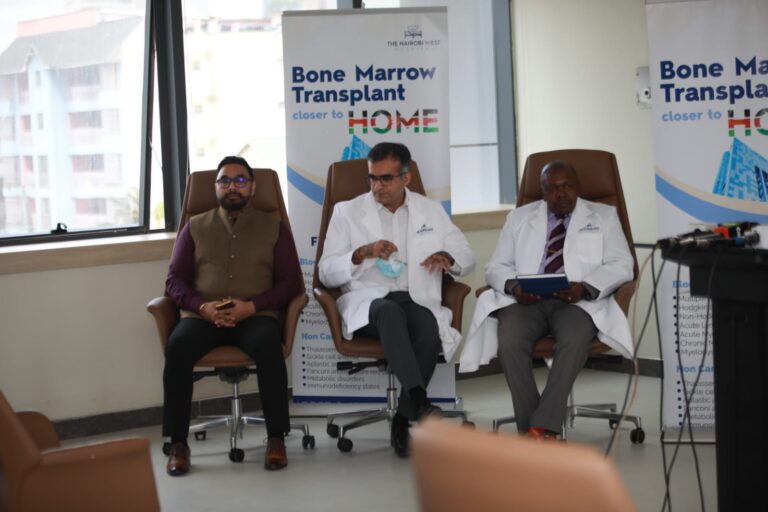
The Nairobi West Hospital has launched the first Bone Marrow Transplant Unit in Kenya that provides a broad range of integrated and patient-centric services for the diagnosis and management of all kinds of blood disorders in adults and children, including cancers of the blood.

Speaking during the launch, Professor Andrew Kanyi Gachii, Chief Medical Director at The Nairobi West Hospital explains the importance of access to quality, affordable specialised healthcare in Kenya has been a major pain point for most patients who have to travel abroad for advanced medical procedures like a bone marrow transplant.

He added,” an effective bone marrow transplant unit backed by world-leading specialists could make Kenya a medical tourism destination. The Bone Marrow Transplant Unit is an integral part of The Nairobi West Hospital, one of Kenya’s leading Level 6B multidisciplinary hospitals.”

The hospital aims to provide easy access to bone marrow transplants as a possible cure for patients with complex blood disorders. Our dedicated and internationally recognised transplant specialists embrace the values of innovation, collaboration, confidentiality, empathy, and integrity, and focus on providing comprehensive care to all patients. This is also an aim to be the leading BMT unit not only in East Africa but across Africa.”

Dr. Guarav Dixit, Head of the Bone Marrow Transplant Unit at The Nairobi West Hospital notes that “In some instances, BMT offers the only hope of a cure in treating blood cancers like Acute Myeloid Leukaemia (AML) and Acute Lymphocytic Leukaemia (ALL), that would be otherwise be difficult to treat with conventional chemotherapy alone.

It is usually a safe procedure for patients with sickle cell disease if done at a young age. Other emerging indications that can be treated with BMT  include Multiple Sclerosis and Paediatric immunodeficiencies. It is important to note that this therapy is evidence-based across the globe, and now readily available in Kenya to all who may need it in a world-class facility that can rival many in the west.”

Dr Kibet Shikuku, Chief Consulting Pathologist for The Nairobi West Hospital, further expounds that “The cancer burden is rising globally, exerting significant strain on populations and health systems at all income levels. Being diagnosed with blood cancer can bring fear, frustration and uncertainty. When detected and treated early, however, blood cancer can be treated successfully. We are fortunate to have local healthcare providers like The Nairobi West Hospital which offers an effective and holistic treatment plan for patients.”

AFRIMA appoints APO Group Founder Nicolas Pompigne-Mognard to its International Committee

0

Nicolas Pompigne-Mognard, Founder of the leading Pan-African communications consultancy and press release distribution service has been appointed to the International Committee of the All Africa Music Awards (AFRIMA)  the biggest music awards event in Africa.

The AFRIMA International Committee is a group of music professionals and other prominent African stakeholders. The International Committee, alongside the African Union Commission, organizes the annual AFRIMA Awards which recognize the best African talent in diverse musical genres, and from every corner of the continent.

The 2022 AFRIMA Awards will be held from 8-11 December 2022 and will culminate in a glittering ceremony that will be broadcast live to more than 80 countries around the world.

APO Group was recently appointed official Public Relations Agency of AFRIMA with a remit to showcase the African music industry to a new global audience of music fans.

In his role with the AFRIMA International Committee, Nicolas will leverage his vast experience in African business and communications, having founded APO Group in 2007 and seen it grow into the only truly Pan-African Public Relations consultancy with reach into all 54 African countries.

Nicolas and APO Group have built relationships with some of the most prominent public and private institutions, sporting organizations and multinational companies operating in Africa, making them well-placed to help AFRIMA achieve its core mission of a peaceful, prosperous and integrated Africa through the celebration of excellence in African music and culture.

For decades, Africa has been influential in shaping the global music industry. Genres from rock to hip-hop to bluegrass all have their origins in traditional African styles and the music created by African slaves in America.

Today, the African music industry is growing fast, and the increased popularity of the music of African origin on the global stage creates a pathway to increased commercial opportunity and sustainable growth for African economies.

Data from Apple Music’s streaming service shows that mixes from African DJs increased by more than 500% from August 2021 to August 2022, while African electronic genres like Afrobeats, amapiano and Gqom are generating massive numbers of followers.

APO Group and AFRIMA are both champions of African culture and work tirelessly to shine a light on the most positive African stories.

Other members of the AFRIMA International Committee include Rikki Stein, former personal manager of Afrobeat legend Fela Kuti.

“We are delighted to welcome Nicolas to the AFRIMA International Committee,” said Michael Dada, President and Executive Producer of the All Africa Music Awards (AFRIMA). “As the Founder and Chairman of APO Group, Nicolas has always been committed to changing the narrative about Africa, and elevating the continent on the world stage.”

“AFRIMA is a hugely important organization within the African music industry,” said Nicolas Pompigne-Mognard, Founder and Chairman of APO Group “It provides a global spotlight for the best African talent, and demonstrates the universal power of music as a symbol of hope and unity in the African continent. I’m thrilled to be joining the AFRIMA International Committee and working with others who share my vision for helping Africa realize its potential.”

Ubongo Launches Girl Champion Campaign Toolkit in Celebration of the Day of the Girl Child

 Leading creator and producer of children’s educational media, Ubongo has announced the launch of the Ubongo Girl Champion campaign toolkit as a resource to inspire action for the Girl Child. This is a one-of-a-kind opportunity to amplify African girls’ voices and experiences in a fun and educational way.

“We believe that girls’ voices should always be amplified no matter the day. Today simply marks the start of a journey to empower the general public to become advocates for the girl child. Through the campaign toolkit, we are leading a movement to celebrate girls in all of their glory and invest in a future that believes in their agency, leadership and potential,” said Ubongo’s Outreach and Communications Manager, Tamala Maerere-Kateka.

The Ubongo Girl Champion campaign toolkit invites the public to partake in hosting screenings of Ubongo’s girl-power episodes for girls and boys ages 7 to 14. The screenings can take place in both formal and informal settings, such as, at home, at school, in girl-focused programs and at the community level. Those who take part in hosting the girl-power episodes will stand a chance to win an Ubongo Girl Champion award in recognition of the incredible work being done to celebrate and champion girls.
To support the girl-power episode screenings, Ubongo has also created a guide to help with the registration and setting up of girl-led Utu Clubs to empower girls in different communities. Utu Clubs are a fun, interactive way for kids to build knowledge and skills in STEM, do good in their community and work together to act with Utu (shared humanity).

Research shows that girls learn as much as boys from Ubongo edutainment (Borzekowski, 2017). The episodes will introduce viewers to the five remarkable girls of Ubongo Kids (Kibena, Kiduchu, Amani, Nina and Tabasamu) who navigate and overcome challenges while learning STEM and 21st-century life skills.

“We are already elevating learning for over 31 million African kids, and our vision is to equip the 500 million kids in Africa with the educational foundation, critical skills, and mindsets to change their lives and the world,” added Mrs. Kateka.

Veteran Journalist Leonard Mambo Mbotela Sworn in as Member of National Heroes Council

0

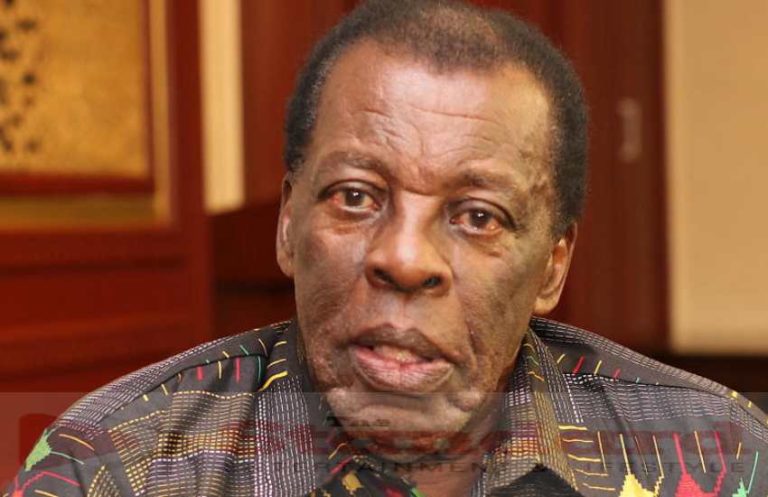
Veteran media personality Leonard Mambo Mbotela has been sworn in as a member of the National Heroes Council.

The celebrated legendary broadcaster was sworn in at the Supreme Court on Monday 26th of September 2022 where Chief Justice Martha Koome oversaw the exercise.

The 82-year-old veteran journalist was appointed to the council on August 5 by outgoing Sports and Culture CS Amina Mohammed.

In his new appointment, He is expected to hold the post for a period of three years and will take up the functions of the council that include formulating and implementing a policy relating to national heroes, identifying and recommending national heroes, and enforcing sanctions and penalties with respect to disgraced national heroes.

Speaking on his appointment, CJ Koome in a tweet said, “Witnessed the swearing-in of Leonard Mambo Mbotela as a member of the National Heroes Council following his appointment last month,”

The National Heroes Council is mandated to identify, select and honour national heroes.

The mandate, according to CJ Kooome, is an important one as our national story is largely the narrative of the contribution of our heroes to nation-building.

Little starts pilot testing electric bikes in Kenya

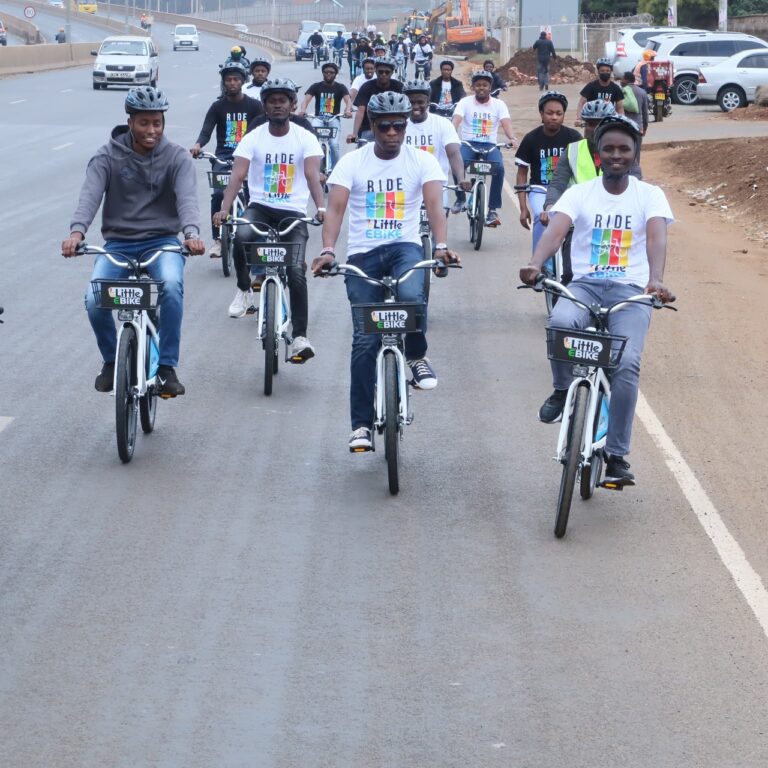
Ride-hailing company little is set to start a pilot test of electric bikes in Kenya in a bid to accelerate electric vehicle adoption.

Starting this week, the company has made available an estimated 200 bikes and scooters across Nairobi via its ride-hailing platforms as it tests demand for e-mobility.

Speaking on the launch, Little Chief Executive Officer Kamal Budhabhatti said, ” This is a learning process. We want to learn from the experience before rolling out the service to the rest of the country”.

The e-bikes will initially be rented out directly from the firm before it establishes designated spots around Nairobi for deployment. The bikes have a range of upti 65 kilometres on a single charge while the motor asisted vehicle can reach a speed of up to 25 kilometres per hour.

Little hopes the number of motor-assisted vehicles can grow up to 10,000 on its platforms with the positive uptake experienced in Kenya. The company also hopes to open its arms to other stakeholders so they can have more assets on board.

“We are a satellite company and only own assets in the pilot stage. We will be opening up the market so investors can purchase e-bikes and place them on our platform,” added Mr Budhabhatti.


Kenya to Sign Double Taxation Agreement with China

0

Kenya is set to sign an agreement with China to end double taxation of income or gains arising from one country and paid residents of the other.

The deal is set to spur trade and investments between the two countries.

Kenya and China are major trading partners but the trade deficit between the two countries has been widening with china increasingly exporting more goods to the country.

The deal, which will be subject to ratification by both the Chinese and Kenyan parliaments, is meant to create a conducive environment for investment and trade in goods and services between the two countries.

A review of the intended Double Taxation Agreement (DTA) between Nairobi and Beijing showed it would focus on trade and investment, education and research, and sports.

Nation Media says National Treasury Cabinet Secretary Ukur Yattani has asked Kenyans for their views before Kenyan signs the deal.

Once the agreement is signed, Kenyans studying in China, for instance,  will be exempted from paying tax on cash sent to them for tuition and upkeep in the proposed deal. The DTA will also see Chinese firms paying income tax on their business in Kenya get a reprieve from paying the same tax in China unless what they are required to pay on the income in China is higher. The same will apply to local firms doing business in China.

“Where a resident of China derives income from Kenya, the amount of tax on that income payable in Kenya in accordance with the provisions of this agreement may be credited against the Chinese tax imposed on that resident,” states the DTA.

However, the agreement deals a blow to sportspersons working or participating in events in China, as their income will still be taxed both in both countries. This also applies to radio and television personalities, actors and other players in theatre or motion picture, as well as musicians and other entertainers.


YOUTH LEADERS UNITE FOR PEACE AND MAKE ACCOUNTABILITY PLEDGE AHEAD OF AUGUST ELECTIONS

0

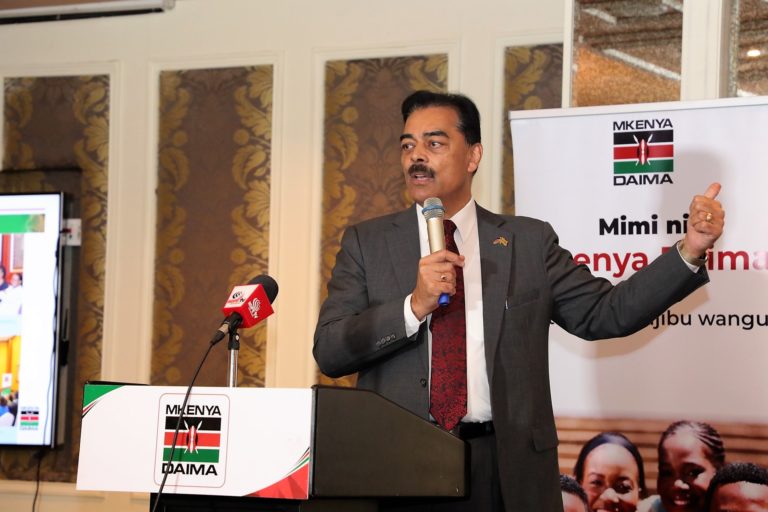
Youth leaders representing various community groups and organizations from around the country have signed the Mkenya Daima Leadership and Peace Pledge, committing themselves and their members to maintaining peace in their electioneering conduct before, during and after the general elections on August 9th, 2022.

Over one hundred youth, including university student leaders, participants from the informal settlements in Nairobi as well as representatives from Nakuru, Trans Nzoia, Uasin Gishu and other counties, came together during the Mkenya Daima Youth Leadership Forum held earlier this week in Nairobi. The meeting was part of the ongoing stakeholder engagement by the Mkenya Daima Initiative. 

Speakers at the event challenged the young leaders not to surrender political platforms to the politicians but to speak up on issues of poor leadership to drive the change they want to see in their localities.

Duncan Mochama, a Member of the Mkenya Daima Steering Committee representing the youth, urged the society at large to appreciate and amplify youth and community activities around peacebuilding and positive political participation while reminding the youth to be accountable for electing good leaders at the ballot.

“It is not enough to just support your chosen candidates, but the youth must take charge through their collective voting power by insisting on honest and transparent leaders who will serve the interests of the youth. We must also go further to hold the elected leaders accountable to deliver on their campaign promises,” he said.

The forum sought to encourage the youth to practice good relations, harmony, and peaceful co-existence before, during and after the August 2022 general elections.  Discussants spoke of the role of young people in delivering peaceful elections, holding political leaders accountable as well as elections related Gender Based Violence (GBV). 

Also speaking during the forum, Dr Vimal Shah, the Chair Mkenya Daima Steering Committee said, “This is a call for partnership with our young people with the singular goal of achieving peaceful elections and socio-economic prosperity afterwards. We need to encourage positive and constructive dialogues in our public and private spaces about the things that matter, and not just focus on personalities and popularity contests, especially among our young people.” 

Calling for intentional probity by the electorate in choosing the right leaders, Dr Shah mentioned accountability, transparency, and an initiative-taking development agenda as critical factors Kenyans should interrogate in aspirants alongside their political party manifestos, to ensure elected leaders live up to what they promised.

He further urged the youth leaders to take up the responsibility of “Kukagua kabla ya kuchagua, Kupiga kura na Kudumisha Amani in line with the Mkenya Daima call of Nitatenda Wajibu Wangu”.

Shining a light on the aspect of election-related GBV, Mucha Mlingo, the Chair KEPSA Gender Sector Board called for the dismantling of societal practices that seem to normalize GBV while trivializing the long-term negative effects it has on society.

“We need to talk openly about how gender-based violence impacts society negatively. Gender-based violence takes different forms including Sexual, physical, social, and economic violence. Our objective as Mkenya Daima in engaging with the youth today and in the future is to change the political, social, and economic narratives and to build the country and her people, which includes addressing the causes and prevalence of election-related GBV.

Killian Nyambu, the Deputy Director of Public Outreach and Engagements at the National Cohesion and Integration Commission (NCIC) said that for a successful election, all stakeholders including the youth must take responsibility for a peaceful election outcome.

He explained that youth must not only remain optimistic and patriotic about the country but also speak out and continuously voice their leadership concerns by participating positively in competitive politics and electioneering.

“We need to look at the behaviour that each aspirant exhibits in their campaigns, from the member of county assembly all the way to the presidency. If we are to move forward as a country, selflessness, objectivity, openness, integrity, and honesty are some of the personal ethos that we are calling for as NCIC in this election season and afterwards,” he said.

Rasi Masudi, Director of Voter Education and Partnership at the Independent Electoral and Boundaries Commission (IEBC) reiterated the need for young people to come out and participate in elections by first registering as voters and turning out to cast their ballots, adding that the IEBC is adequately prepared to deliver a credible, free, and fair election on August 9, 2022. 

Key leaders who also spoke included Viridian Wasike, Head of Partnerships and Resource Mobilization at the National Youth Council who urged the youths to participate in policy development both at the county and the national governments and Maxwell Magawi from the National Student’s Caucus, who also urged them not to be hoodwinked into being taken hostage by politicians for their personal interests.

The Mkenya Daima Initiative 2022, seeks to promote the election of transformative leaders, increase awareness among Kenyans of the desired qualities of a good leader as well as enhance positive discourse on a prosperous Kenya by increasing hope, confidence, and optimism among Kenyans.  

KICTANet urges IEBC to use ICTs for a smooth and credible election process

The Kenya ICT Action Network (KICTANet) paid a courtesy call to Kenya’s elections management body, the Independent Elections and Boundaries Commission (IEBC).

to discuss the role of technology in the upcoming elections and beyond, and how KICTANet can collaborate with the IEBC in line with its mandate in delivering free, fair and credible elections.

KICTANet is a multistakeholder platform that aims to catalyse ICT reforms through stakeholder engagement, capacity building, research and policy advocacy. This engagement process is part of KICTANet’s strategic pillar that aims to promote the use of technology in public policy processes.

Among the issues that KICTANet relayed to the Commission included concerns on online misinformation and disinformation, the need for the IEBC to use digital technologies to proactively share information on the election, and to communicate to the public in simple messages relevant to the ordinary Kenyan.

KICTANet also requested the Commission to put in place measures to broadcast the tallied results on a real-time basis as it would play a crucial role in enabling the public to verify and understand the tallying process for the common Kenyan. Currently, the IEBC only plans to have on their portal images of Form 34s from the polls.

This decision was made following the Supreme Court judgment on the legality of the text data that the Commission displayed during the last general elections. Other aspects discussed included election observation of the technology use, publication of information on the technology to be used, hosting of election data, privacy and security of the technology to be used, state of preparedness of the Commission, capacity building, and stakeholder engagement.

Commissioner Irene Masit noted that technology was the most misunderstood issue between the IEBC and the public. This gap in understanding could only be closed through robust engagements. KICTANet has continuously engaged with the IEBC and other agencies such as the National Cohesion and Integration Commission in Kenya(NCIC) to support the conduct of credible elections in the country.

During the 2017 elections, KICTANet deployed a team of 25 community volunteers to observe the use of technology in voting and transmission. The network also worked with the NCIC to support its work in tackling online misinformation and hate speech. Earlier in March this year, KICTANet held a roundtable with Meta to discuss the challenges in the use of online platforms, especially on content moderation, privacy and misinformation and disinformation.

The IEBC assured KICTANet that the elections preparation process had taken into account the data protection and privacy provisions as provided for in the law. All personally identifiable information relating to voters was currently stored in IEBC-owned hardware equipment in the country.

“KICTANet is grateful to the IEBC for supporting this engagement. It offers an opportunity for KICTANet to relay issues identified by the ICT stakeholders for the upcoming elections”  KICTANet CEO and Convenor Ms. Grace Githaiga.


The ICT Action Network body also offered to support the IEBC through training of officers in cyber hygiene; deploying an elections observer mission to document the deployment and use of ICT during the general election, and demystifying tech issues to the public with regards to this election in an effort to combat disinformation.


TIKTOK LAUNCHES KENYAN GENERAL ELECTIONS HUB IN-APP AS PART OF ITS PEACE AND SAFETY INITIATIVE

0

TikTok has launched product features and completed in-market activities to support its vision to help its community access factual and authoritative information about the Kenyan general elections ahead of 9 August. These efforts are part of TikTok’s commitment to curb misinformation in the lead-up to the elections and ensure that information is disseminated responsibly.

TikTok believes in collaboration with various stakeholders, to help strengthen its efforts to protect against harm and misuse on its platform, which is why the entertainment app works with an array of experts and organizations to help promote safety on TikTok. The team in Africa did week-long engagements in Kenya targeting NGOs, government, media, corporate organisations, civil societies, educational institutions and other role-players that form part of the TikTok community in Kenya.

“We are engaging with diverse stakeholders in Kenya to discuss opportunities and challenges for dynamic solutions in a fast-paced digital world. Our resolve is to spread positivity in markets where we operate as we promote peaceful coexistence,” said TikTok’s SSA Government Relations, Fortune Mgwili-Sibanda.

These stakeholder engagements in conjunction with the launch of the elections hub in Kenya affirms TikTok’s commitment to being a responsible industry leader that aims to make a positive impact in Africa and throughout the world.

As part of the initiative, TikTok launched a 3-part series titled #TikTokForPeace in partnership with Article19 which is a series of TikTok LIVE streams hosted at Strathmore University, Policy Innovation centre and streamed on the Article19 TikTok page featuring key opinion formers in government, civil society and academia, to focus on tolerance, building bridges and active citizenship.

“TikTok plays a significant role in shaping discourse around Important topics. Using TikTok as a medium through which to engender an atmosphere of mutual cooperation during Kenya’s national election period is part of our resolve to provide a platform that promotes peace and provides a safe space for positive digital expression,” says Mgwili-Sibanda.

In Kenya and beyond, the TikTok community is encouraged to be a part of the campaign by reporting harmful content that appears untrue and fuels any political intolerance in any way. TikTok is a platform that encourages authentic and entertaining content that speaks to the important message of national and global harmony.

Delegates in attendance had this to say:

“I was really excited to have TikTok join us. I got to experience their mission in action, as the workshop was not only educational but it inspired my creativity and I got to have fun too. As a Family IT Consultant, specialising in Child Online Safety my highlights were the intentionality of security and privacy and in-app features that I didn’t know existed to keep us and our children safe.

The screen time management feature which was also a key highlight because the prompts to take breaks is so important and it is one of the tools I will use in client sessions. Reporting is made so simple which is amazing for younger users, but more importantly, no one is too old for TikTok; the platform offers a variety of ways to harness its power.

I feel empowered and confident to use the app and to be able to effectively help young people plus their families be safe and inspire creativity” said Evelyn Casina, CEO at Eveminet Communication Solutions Limited.

“The event was very informative and offered proper guidance on how to manage the children’s presence online, how to avoid bullying and channels of reporting videos propagating hate speech, especially during this electioneering period,” added Martha Sunda, Executive Director, Childline Kenya.

As an entertainment platform, TikTok continuously updates its community with innovative features and functions to enhance their experience and supports these developments with robust tools and controls that help users to manage the content they consume on the platform.

AFDB approves the establishment of African Pharmaceutical Technology Foundation

The African Development Bank’s Board of directors has approved the establishment of the African Pharmaceutical Technology Foundation, a new groundbreaking institution that will significantly enhance Africa’s access to the technologies that underpin the manufacture of medicines, vaccines, and other pharmaceutical products.

African Development Bank Group President, Dr Akinwumi Adesina said: “This is a great development for Africa. Africa must have a healthy defence system, which must include three major areas: revamping Africa’s pharmaceutical industry, building Africa’s vaccine manufacturing capacity, and building Africa’s quality healthcare infrastructure.”

During the African Union Summit in Addis Ababa in February 2022, the continent’s leaders called on the African Development Bank to facilitate the establishment of the African Pharmaceutical Technology Foundation. Adesina, who presented the case for the institution to the African Union said: “Africa can no longer outsource the healthcare security of its 1.3 billion citizens to the benevolence of others.” With this bold initiative, the African Development Bank has made good on that commitment.

The decision is a major boost to the health prospects of a continent that has been battered for decades by the burden of several diseases and pandemics such as Covid19, but with very limited capacity to produce its own medicines and vaccines. Africa imports more than 70% of all the medicines it needs, gulping $14 billion per year.

Global efforts to rapidly expand the manufacturing of essential pharmaceutical products including vaccines in developing countries, particularly in Africa, to assure greater access, have been hampered by intellectual property rights protection and patents on technologies, know-how, manufacturing processes and trade secrets.

African pharmaceutical companies do not have the scouting and negotiation capacity, and bandwidth to engage with global pharmaceutical companies. They have been marginalized and left behind in complex global pharmaceutical innovations. Recently, 35 companies signed a license with America’s Merck to produce Nirmatrelvir, a Covid-19 drug. None of them was African.

No institution exists on the ground in Africa to support the practical implementation of Trade-Related Intellectual Property Rights (TRIPs) on non-exclusive or exclusive licensing of proprietary technologies, know-how and processes.

The African Pharmaceutical Technology Foundation will fill this important and glaring gap. When fully established, it will be staffed with world-class experts on pharmaceutical innovation and development, intellectual property rights, and health policy; acting as a transparent intermediator advancing and brokering the interests of the African pharmaceutical sector with global and other Southern pharmaceutical companies to share IP-protected technologies, know-how and patented processes.

Adesina said “Even with the decision of the TRIPS Waiver at the World Trade Organization (WTO), millions are dying -and will most likely continue to die – from lack of vaccines and effective protection. The African Pharmaceutical Technology Foundation provides a practical solution and will help to tilt the access to proprietary technologies, knowledge, know-how and processes in favour of Africa”.

The World Trade Organization and the World Health Organization, respectively, welcomed and lauded the African Development Bank’s decision to establish the African Pharmaceutical Technology Foundation.

The Director-General of the World Trade Organization, Dr Ngozi Okonjo-Iweala, said “The African Pharmaceutical Technology Foundation is innovative thinking and action by the African Development Bank. It provides part of the infrastructure needed to assure an emergent pharmaceutical industry in Africa”.

The Director-General of the World Health Organization, Dr Tedros Ghebreyesus, said “Establishing the African Pharmaceutical Technology Foundation, by the African Development Bank, is a game-changer in accelerating the access of African pharmaceutical companies to IP-protected technologies and know-how in Africa”.

The African Pharmaceutical Technology Foundation will prioritize technologies, products and processes focused primarily on diseases that are widely prevalent in Africa, including current and future pandemics. It will also build human and professional skills, the research and development ecosystem, and support upgrading of manufacturing plant capacities and regulatory quality to meet World Health Organization standards.

While the African Pharmaceutical Technology Foundation is being established under the auspices of the African Development Bank, it will operate independently and raise funds from various stakeholders including governments, development finance institutions, and philanthropic organizations among others.

The Foundation will boost the African Development Bank’s commitment to spend at least $3 billion over the next 10 years to support the pharmaceutical and vaccine manufacturing sector under its Vision 2030 Pharmaceutical Action Plan. The Foundation’s areas of work will also be an asset to all other current investments into pharmaceutical production in Africa.

Rwanda will host the African Pharmaceutical Technology Foundation. A common benefits entity, the Foundation will have its own governance and operational structures. It will promote and broker alliances between foreign and African pharmaceutical companies.

The African Pharmaceutical Technology Foundation will strengthen local pharmaceutical companies to engage in local production initiatives with systematic technology learning and technology upgrading at the plant level.

The Foundation will work with African governments, research and development centers of excellence to strengthen the regional pharmaceutical and vaccine innovation ecosystem for Africa and build skills of the kind needed for the pharmaceutical sector to flourish.

It will also promote closer coordination of the various ongoing medicines and vaccines’ manufacturing initiatives at the regional level to increase collaborative linkages, and leverage synergies and partnerships in a pan-African context.

The African Pharmaceutical Technology Foundation will work closely with the African Union Commission, European Union Commission, the World Health Organization, the Medicines Patent Pool, the World Trade Organization, philanthropic organizations, bilateral and multilateral agencies and institutions, and will foster collaboration between the public and private sectors in developed countries and developing countries.