The Auditor General has ordered the Makueni County Executive to recover Sh7m paid for the installation of Wi-Fi connectivity at the county headquarters offices located at Wote town.
Auditor General Edward Ouko in the 2013/2014 report on the finance operations of the County Executive said the money paid to M/s Open IT Limited company was a total waste of public funds as the work done on the project was shoddy.
The report stated that Wi-Fi distribution switches on some floors in the five- storey building could not be traced while others were not working.
“The distribution switches on ground floor could not be traced while on the 4th and 5th floors, distribution switches were not functional,” says the report.
The report also noted that the voice cabling was poorly done with over 70 percent of the lines inactive. Overall, the report says the signal for the Wi-Fi network was very weak and recommended for the county executive to recover all the amounts paid.
The auditor also wants the company blacklisted from conducting any business with the county executive for the shoddy work.
Besides the auditor general recommended administrative action to be taken against the officers responsible for awarding the contract to the company nine days before the tender bids for the project were invited.
“The responsible officers in the irregular procurement should be dealt with administratively,” stated the report.
For the Makueni County Assembly, the auditor among other recommendations wants double allowances paid to 10 Members of the County Assembly (MCAs) recovered from their salaries.
Ouko has also directed that Sh176,120 paid to a senior procurement officer at the County Assembly as subsistence and traveling allowances apparently for meetings held in Mombasa and Kilifi that he never attended recovered and disciplinary action taken against the accounting officer who authorized the payments.
The report that has already been table before the Public Accounts Committee has generated a lot of heat in the political circles across the county.
Already Governor Kivutha Kibwana and Mbooni MP have been embroiled in a protracted war of words since the audit report was released. The MP wants the Governor to take responsibility of the possible pilfering from the public coffers.
However, the governor has denied any misuse of public funds and now accuses the MP and other Wiper legislators of witch-hunt.
Senator Mutula Kilonzo Jnr, on his part has called for the prosecution of those involved in the misuse of public funds to serve a lesson to others who might harbor such tendencies.
The audit report has been released with a raft of recommendation to stop the pilferage and it would be interesting to see whether the county government will implement them.
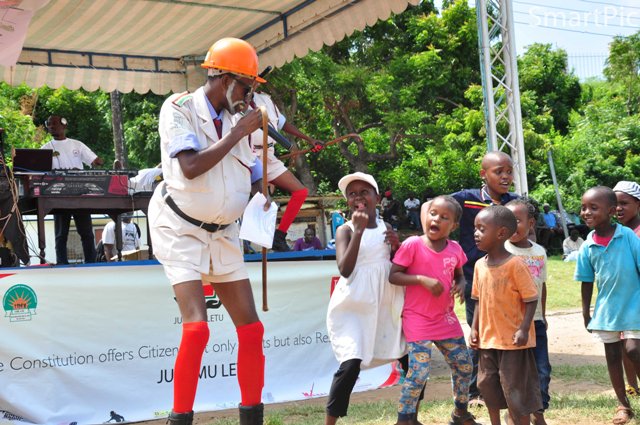
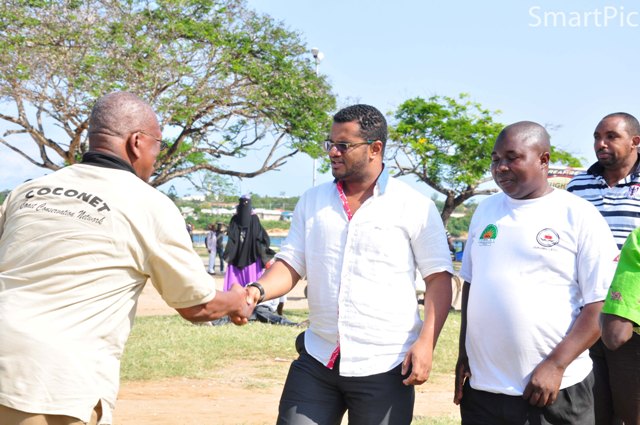
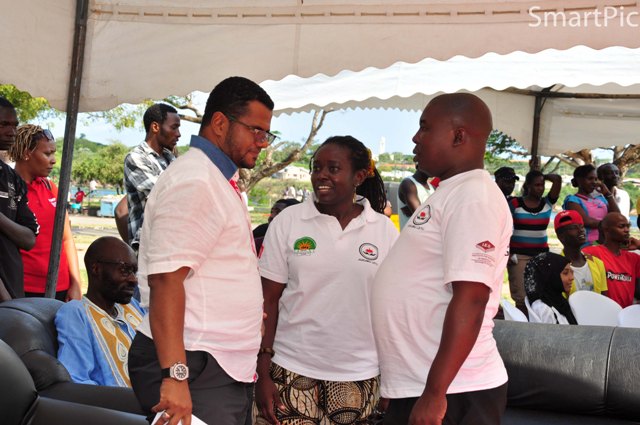
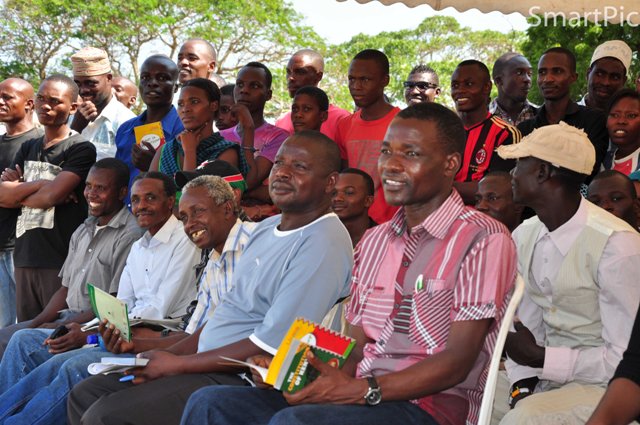
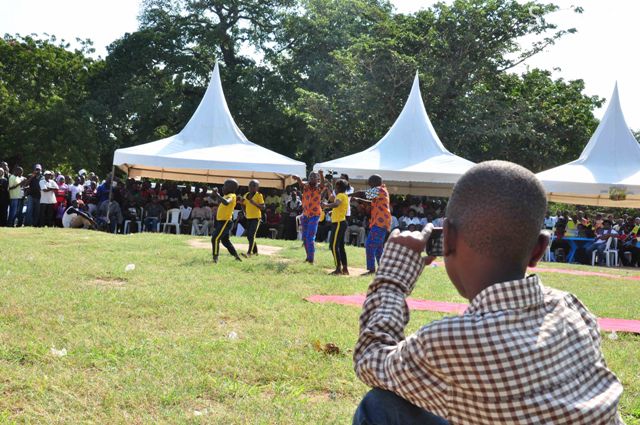
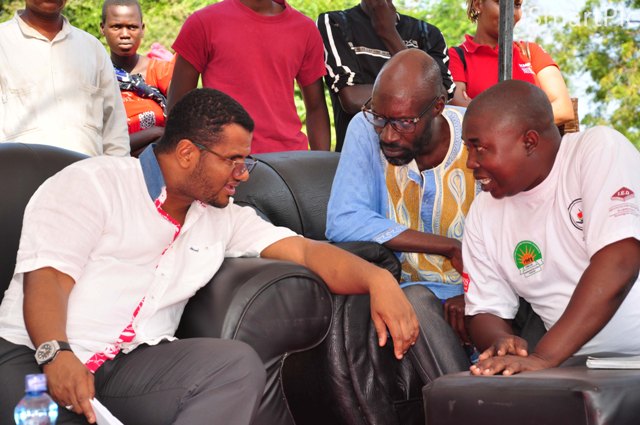
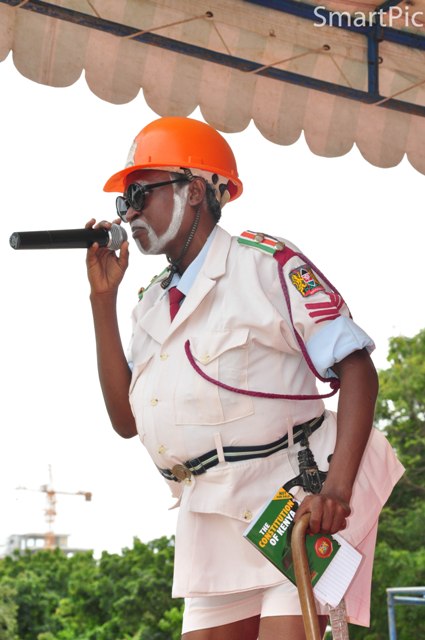
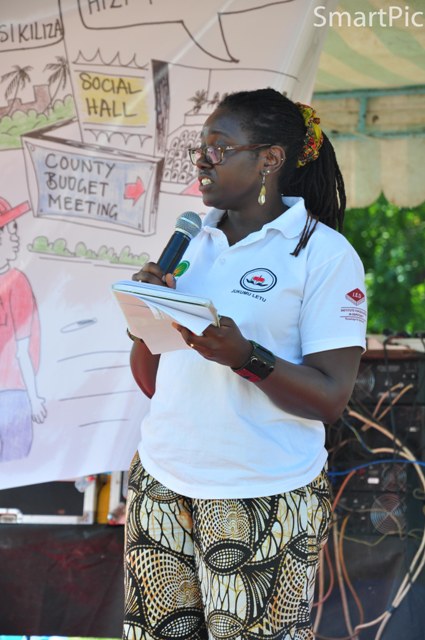
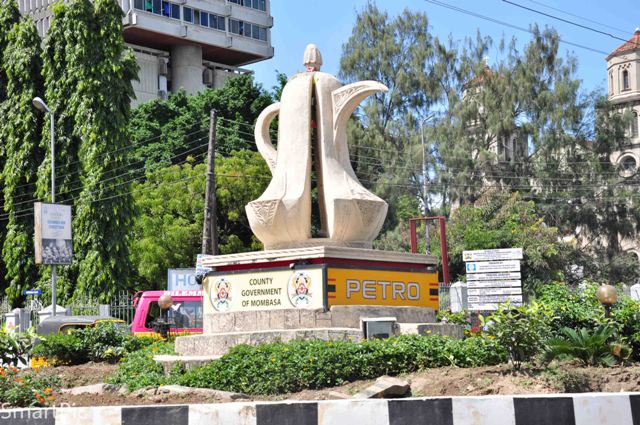
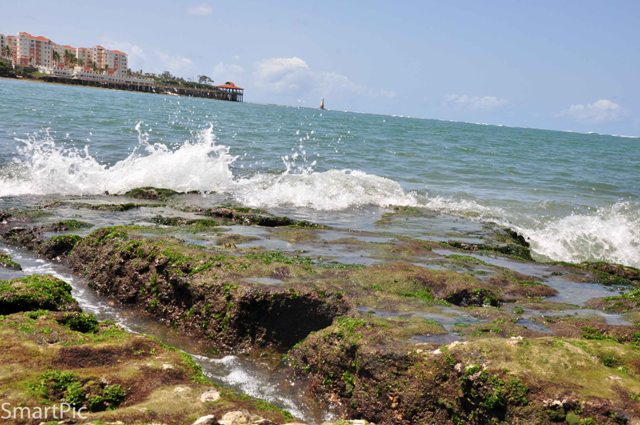
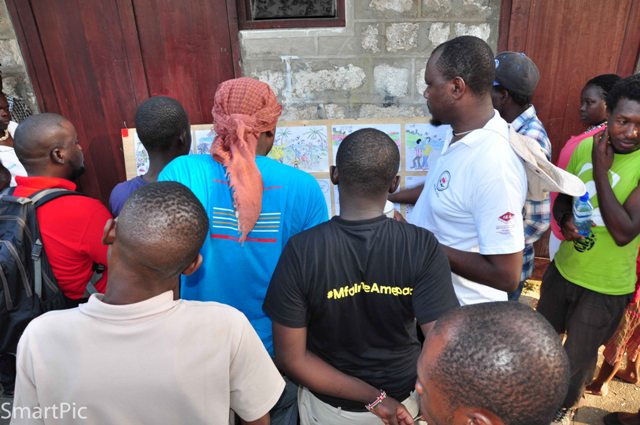
Pomp, colour and rich content marked Jukumu Letu launch in Mombasa. The picturesque county, its enticing hospitality and warm hearts enlivened both partners and attendees to a stimulating launch that only Mombasa could provide. The joys, from the faces to the smiles, old and young told the story best of which if you did not attend, these photos should narrate it aptly.
Some terminologies and expressions have been used in the Auditor General’s report to explain the discrepancies in the financial records of between 1 June 2013 to 30 June 2014, the period under review. These expressions or terminologies may mean failures in one way or another which could be corruption or not. It is important to understand that in most of the issues raised, the concern is failure to provide documents to substantiate the relevant expenditures. This could mean the lack of the documents all together, lack of accurate documents or feeling cornered, deciding not to provide the documents.
The Constitution in article 229 (4 and 6) requires the Auditor General to report and confirm whether or not public money has been applied lawfully and in an effective way. He has done so by publishing audits of state corporations, government ministries, county executives and county assemblies. Do note that it is about being lawfully used and also effectively used.
a) Unqualified Opinion
An unqualified opinion is expressed when the Auditor has concluded that the financial statements give a true and fair view or are presented fairly, in all material respects, in accordance with the Government Financial Regulations and Procedures and Public Finance Management Act, 2012 and public funds Summary of the Report of the Auditor-General for the Year 2013/2014 13 have been applied lawfully and in an effective manner.
b) Qualified Opinion
The Auditor gives a qualified opinion when the misstatement or limitation on his audit is not as material and pervasive as to require an adverse opinion or a disclaimer of opinion. He thus expressed an ‘except for’ opinion based on the effects of the matter(s) to which the qualification relates.
c) Adverse Opinion
The Auditor expresses adverse opinion when audit matters on the financial statements are so material and pervasive that he has concluded the financial statements are misleading or incomplete.
d) Disclaimer of Opinion
The Auditor was not able to express an opinion where the possible effects of limitations on his audit were so material and pervasive that he was unable to obtain sufficient appropriate audit evidence and accordingly unable to express any meaningful audit opinion on the financial statements. He was also not able to establish whether expenditure reflected in the nine (9) financial statements with disclaimer of opinions were incurred lawfully and in an effective way as required by Article 229(6) of the Constitution.
Statements with Qualified Opinion
Unsupported expenditures
Non surrender of imprests
Unauthorized expenditures
Long outstanding reconciling items in bank reconciliation statements
Excess expenditure
Misallocation of expenditure items
Lack of adequate disclosures
Statements with Adverse Opinion
Discrepancies between the financial statements and the respective ledgers and the trial balance
Differences between 2012/2013 closing audited balances and opening balances for 2013/2014
Unsupported balances in the financial statements
Failure to prepare financial statements in accordance to International Public Sector Accounting Standards and Treasury instructions
In the audits, the following issues were prevalent
Unsupported Expenditure
Excess Expenditure
Pending Bills
Management of Imprests
Maintenance of Bank and Cash Accounts
Maintenance of Accounting Records
The 2013/2014 gross budget of sh1,557,192,721,388 was shared between the National Government and the County Governments at the ratio of 87.5 percent and 12.5 percent respectively.
The auditor notes that only 1.2 percent of national government expenditure for the period under review was incurred in a lawful manner, 60 percent had issues and 38.5 percent could not be explained. The remaining 0.3 percent is the Auditor General’s budget which is audited independently by an independent auditor appointed by Parliament.
The Auditor General Edward Ouko noted that with the new accounting framework the percentage of unqualified statements improved from 12 percent in 2012/2013 to 26 percent in 2013/2014. There was no change in the percentage of statements with qualified opinion in the two years which remained at 50 percent. The percentage of financial statements with disclaimer of opinion improved from 25 percent in 2012/2013 to 9 percent in 2013/2014. The proportion of financial statements with Adverse Opinion, however increased from 13 percent in 2012/2013 to 16 percent in 2013/2014.
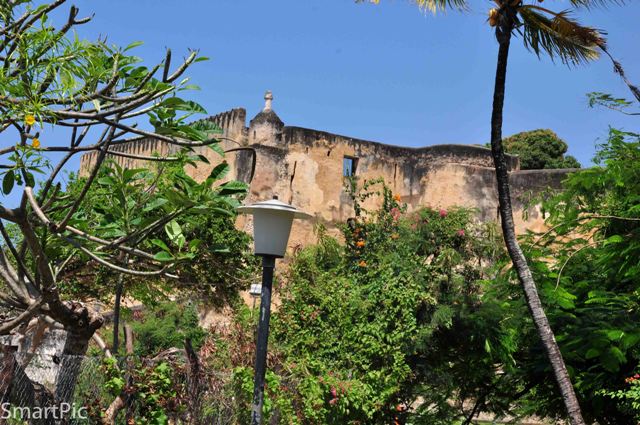
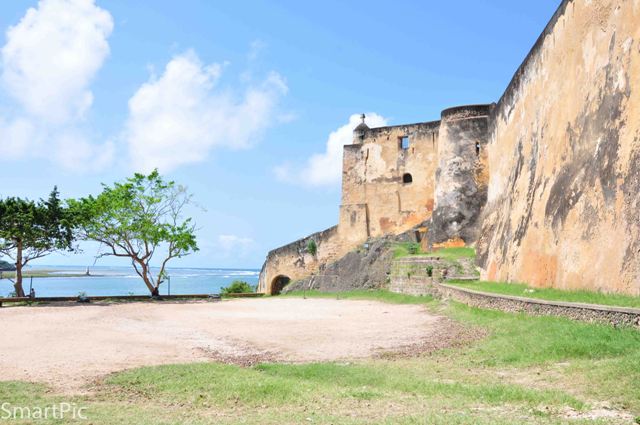
Tusks above, are a sure way of confirming you are in Mombasa. Fort Jesus, a Portuguese fort built in 1591 by order of King Philip I of Portugal, then ruler of the joint Portuguese and Spanish Kingdoms, a tourist site, is a must visit when in Mombasa. You cannot miss the beautiful Indian ocean waters and certainly the joys of Jukumu Letu partners and trainees as they marveled and interacted with the local issues and people is telling.
Amidst hard work is having fun as well. If we could only take up our constitutional responsibilities seriously just like we are responsible to our tourist attractions sites, the future is bright, jukumu ni letu wakenya.
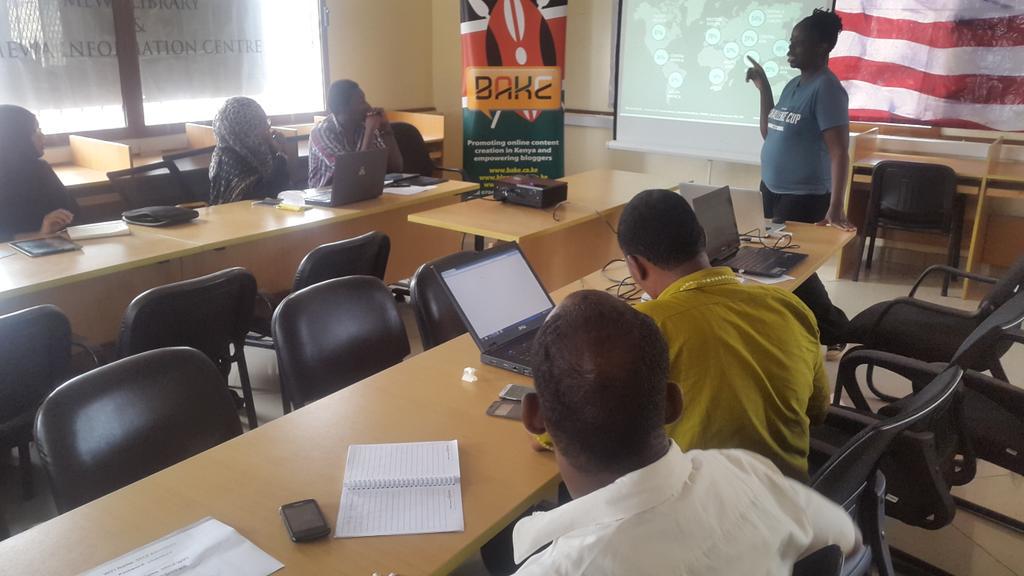
Jukumu Letu Training on blogging and social media in Mombasa conducting by BAKE
As Jukumu Letu gears for the forthcoming launch to be held at Mama Ngina Drive in Mombasa, it is emerging that residents are unaware of further decentralized services and offices by the County Government of Mombasa. A number of activities have been taking place in Mombasa to create awareness and community participation in the launch. One of those is the training on social media and blogging that was carried out at the Muslim Education and Welfare Association (MEWA) in Majengo. The training brought together individuals from Mombasa interested in learning how to utilize freely available tools on the internet to engage and create content especially on issues of governance.
The Bloggers Association of Kenya (BAKE) as a partner institution in the Jukumu Letu initiative took the participants through various aspects of blogging and social media. Using social media, residents can utilize various social media channels to get information from the County Government and its departments. Using this information, it is possible to carry out a social audit of the government, give feedback and engage on the same.
Jukumu Letu aims to establish a link between democracy, governance and basic needs. For this to be achieved, citizens need to understand county and central government structures, their roles and know the people that occupy the positions. Having this knowledge is important for citizens to be able to take action in the right manner and following the right channels. To this end, the participants were taken through various articles of the constitution by Mr. Kawive Wambua, a governance specialist and consultant for the Jukumu Letu project.
The Kenya constitution is anchored on the sovereignty of the people. As stated in the katiba,
‘All sovereign power belongs to the people of Kenya and shall be exercised only in accordance with this Constitution’
therefore by giving constitutional knowledge to the people, Jukumu Letu is making citizens aware of their power.
The interactive discussion took time to breakdown the county government structures as laid out in the County Governments Act. Most of the participants were completely unaware of the county decentralized units as defined in part 6 of the Act. Many of those present were oblivious to the roles of sub-county administrators and ward administrators. According to the constitution:
‘The sub-county administrator shall have qualifications and knowledge in administration or management and shall be competitively appointed by the County Public Service Board in accordance with the provisions of this Act.’
The role of the Sub-County administrator include the development of policies and plans, service delivery, facilitation of the participation of citizens in the development of policies among others.
It also emerged that the participants are not aware of the presence of ward administrators or their offices. The possible absence of these structures makes it more difficult for citizens to participate in governance and therefore unable to get the county to hear and address their concerns.
As set out in the constitution the functions in the county can be delegated through structures that include the county secretary, county chief officer, sub-county or Ward administrator and village administrator.
In accordance with the law, the citizens are also allowed to recall a member of the county assembly. Therefore, it is not necessary for members of the public to wait until the next elections to remove an office holder who they feel has not delivered on their duties especially if and when they break the law in one way or another.
The report states that there was no documentation to show evidence that the land allocated actually belonged to the current owners. Land LR. No. 209/2531/1, for example, which was initially allocated to the then Municipal Council of Nairobi title NO IR 4786, LR No.209/2531 for a term of 99 years from 1 October, 1929 to 1 October, 2028 measuring 20.5 acres is now occupied by Highways stores. The report says
“On 18 June, 1952 the Kenya Meat commission was allocated part of the land measuring 2.5 acres: – On 10 October, 1969, 9.5 acres was allocated to St Peter Claviers’ and Muthurwa Primary Schools.”
The Auditor General further reveals that properties on some of the parcels of land that were allocated to private developers by the then defunct City Council of Nairobi have since been demolished.
Further revelations indicate that a portion of the remainders of the land 8.5 acres has been allocated to unknown private developers including part of Country Bus Station phase 2 and part of the Nairobi City County department.
Other parcels of land that were allocated to private developers included Highridge Health Centre; where the health centre was demolished and the parcel of land allocated to private developers. According to the report, the records on this allocation were not made available.
Another property in question was the Nanyuki Roads Store and Depots which sits on a piece of land originally reserved for road maintenance materials and it was demarcated and 1.227Ha. The property was, however, hived off and allocated to a petroleum firm
According to the Auditor General, the report sought to assess the adequacy and reliability of the systems of management and financial controls in handling public resources as well as running the operations of the county governments and ascertain the integrity and reliability of financial and other information used by management in the utilization of public funds.
Key areas of scrutiny within the survey included management of cash and bank accounts at county level, management of assets under the control of the County Government, whether the county governments complied with the procurement laws in process of acquisition of goods, works and services.
Besides, the report assessed the compliance with Public Financial Management Act, 2012 in the utilization of public funds as well as compliance with other relevant laws and regulations.
But National Treasury Cabinet Secretary Henry Rotich faulted the Auditor General report, saying no money was lost in the period under review.
“We have since established that most ministries, departments and agencies provided the necessary supportive documents to office of the Auditor General during the final stages of audit review but these were not taken into account before the report was submitted to the National Assembly,”
said the CS in a Press statement to newsrooms.
Perhaps the Nairobi County Executive should come out to clear the air regarding the anomalies to the public and also present the evidence of proper land management to the Auditor General other the arm of the law should take its course and lead to prosecutions of those found culpable of abuse of abuse.
Royal Media Services has been put on the spot by the Auditor General’s Report on the Siaya County Executive for supplying furniture yet it is a media organization. In the report for the financial year 1 July 2013 to 30 June 2014, the Auditor states that
It was also not clear how M/s. Royal Media Services who are in the mass communication sector could be paid a sum of sh2,320,000 vide payment voucher number 1310 of 18/02/014 to supply furniture. In the circumstances the propriety and occurrence of this expenditure could not be ascertained.
Royal Media Services (RMS) is an umbrella of fourteen radio stations and Citizen TV that cover different groups of the diverse Kenyan communities; two broadcasting in national languages while the rest are vernacular. Some of the radio stations include Radio Citizen, Inooro, Ramogi, Mulembe, Sulwe, Musyi, Muuga, Chamgei, Egesa, Wimwaro, Bahari FM, and Hot 96 among others.
The company has come out to distance itself from what it calls “false and misleading information” by the Auditor General. Royal Media further argues that
whereas it is true the quoted amounts were paid to the company, the payment was not for supply of furniture as claimed by the Auditors report. The correct position is that the payment was for media services for an event to unveil tractors by the Siaya County Governor. Royal Media Services Limited is not and has never been engaged in the business of selling furniture.
The report alleged that on February 18, last year, Royal Media Services received from the Siaya County Executive sh2,320,000 being payment for supply of furniture.
While Royal Media in their press statement state that the onus is on the Auditor General to correct the anomaly, perhaps it lays with the Siaya County Executive. This is because one of the recommendations on this issue is
All accounting records should be kept and maintained as required by section 149 (b) of the Public Finance Management Act, 2012.
It is possible that Royal Media Services did not procure furniture for Siaya County but the accounting records availed to the Auditor General stated otherwise. In addition, the sub-title for the section is called “Missing Payment Vouchers and Unsupported Payments.” In the section the Auditor further says
an examination of the County Government vote book revealed that payment vouchers for the expenditure of sh8,158,143 for the refurbishment of Non- residential buildings and purchase of furniture and fittings were not produced for audit verification.
The same section paints a picture of lack of records to support payments. It adds
Members of the County Assembly and staff were paid sh1,900,000 but no supporting payment vouchers were produced for audit review. In addition, expenditure for County executive (including the Governor tours to meet the people) totaling sh2,863,000 was not supported by relevant supporting documents e.g. cash sale receipts, invoices etc.
Royal media should direct their concerns to Siaya County Executive to furnish the Auditor General with the correct information for them to be cleared otherwise they are still indicted for supplying furniture to Siaya County.
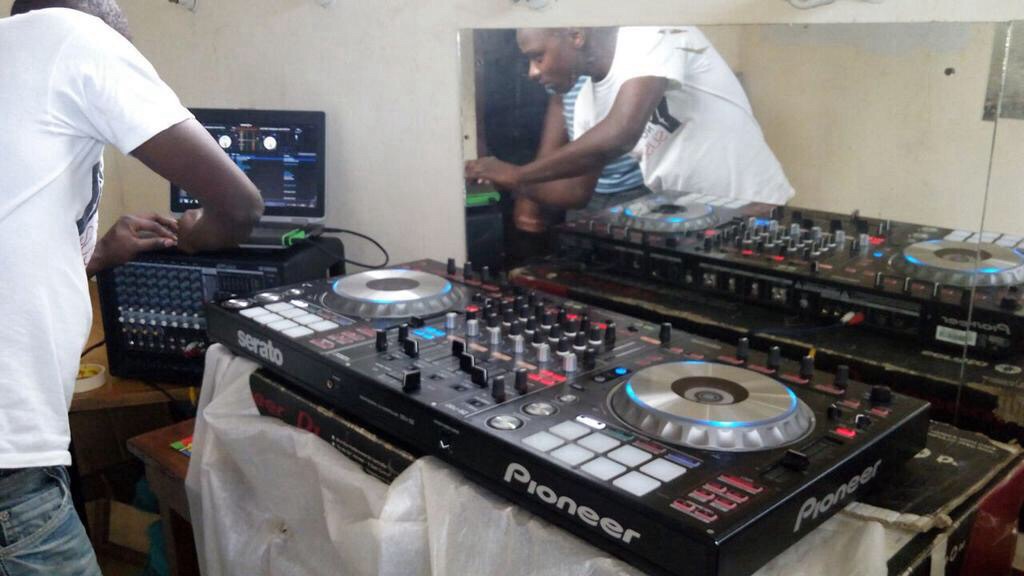
One of the performers at the Jukumu Letu launch this Saturday is a group of young DeeJays having been training by DJ’s With a Cause. The three DJ Tally, DJ Mr.Vice and DJ Flaxx will be taking the jukumu letu message to the youth through music. We got to talk to them to find out what motivates them to be part of the initiative.
Newton Mwachoki who plies his trade by the name DJ Tally trained as a professional deejay at the homeboyz academy in 2008 and has been working at it ever since. He is inspired by the Jukumu Letu initiative and wants to pass the message about the constitution through music.
Newton says,
“Jukumu Letu motivates me to know my responsibilities and my rights as a citizen of Kenya. To pass this message, we will be playing conscious social music, pro-change music and patriotic songs. We’ll feature songs like Sheria by Sarabi, Siasa Duni by Susumila among others.”
The three will be playing at Little Theater today from 5pm – 7pm in an event dubbed the Jukumu Letu sundowner where they will be warming up for the main event tomorrow with some of their music mixes.
Another Deejay that is part of the team is Andrew Owino, who is the head DJ at Skylux Sports Pub in Mtwapa where he is known as DJ Mista Vice. About Jukumu Letu, he said
“I joined Jukumu Letu so that I can create awareness to fellow citizens so that they can have knowledge of the Constitution through conscious music. We’ll be getting together as a team to familiarise ourselves about Jukumu Letu as we have a little entertainment at the sun downer event.”
Charles Maina otherwise known as DJ Flaxx has worked in many clubs around Mombasa and is currently based at Tapas Cielo. He says he is motivated to learn from the Deejays With a Cause team in order to make a difference in the community by passing knowledge about the constitution to the society through music.
Business came to a standstill in Masimba trading center in Makueni County after more than 50 women from the Maasai community in Kajiado County invaded the trading center and attacked the Kamba women for allegedly snatching their husbands.
The irate women armed with crude weapons on Thursday descended on their unsuspicious counterparts in the sleepy market situated along the Mombasa –Nairobi highway leaving a trail of confusion and destruction.
Police were forced to fire in the air to disperse the angry women before the confrontation could degenerate into bloody chaos.
Confirming the 10am incident, area Administration Police boss Alexander Muasya said four Kamba women sustained injuries with one of them suffering a broken arm in the standoff that lasted until 4 pm.
Muasya said that the women also brought down stalls and destroyed bars before the police repulsed them.
“The women alleged that their husbands have ran away from the families to camp in the trading center where they spend most of their time drinking and engaging in immoral sexual activities,” said the AP commander.
He said police have launched investigations into the incident but disclosed that no arrests have been made so far.
Jessica Kanini who witnessed the incident unfold said the women invaded the market and started attacking Kamba women indiscriminately accusing them of taking away their husbands.
“There were beating any woman on sight,” she said.
The two communities have in the recent past been involved in a border dispute and the attack by the Maasai women could be an escalation of the simmering differences between the two communities.
The Uganda martyrs shrine where Christians were killed for their faith. The Catholic Church in Kenya is opposed to the forthcoming polio vaccination campaign over safety of the vaccines (Photo: Kioko Kivandi).
Catholic Bishops in the country want the Ministry of Health (MoH) to postpone the forthcoming polio vaccination campaign “until we can assure Kenyans of their safety.” The campaign that is to set to start on August 1 targets children aged 5 and below.
In statement dated July 28 the Bishops say the vaccines to be used have not tested jointly according to an agreement the Bishops say they arrived at with the government.
The statement which is signed by all the 27 Bishops of the church including Cardinal John Njue falls short of accusing the government of not honoring its promise on the joint testing of the vaccines.
This is not the first time that the Bishops who lead one of the biggest church in the country and are clashing with the government on the safety of vaccines.
A while back the Bishops who also form one of the most influential group of opinion leaders in Kenya were opposed to a tetanus vaccination campaign on women saying the vaccines were an indirect birth control method, an argument that was later confirmed.
Polio is a highly infectious viral disease which causes paralysis. It has no cure and can only be prevented through vaccination.
Owing to the fact that the Bishops were proven right when they opposed the tetanus vaccine, their stand against the polio vaccine is bound to affect the effectiveness of the forthcoming campaign should Kenyans head their call.
Besides their call comes at the wake of reports that more than twenty children in Teso have been paralyzed after allegedly being administered with unsafe injections, a case which they cite in their statement.
Below is the full statement:
PRESS STATEMENT BY THE KENYA CONFERENCE OF CATHOLIC BISHOPS ON THE SCHEDULED POLIO SUPPLEMENTARY IMMUNIZATION ACTIVITIES
The truth will set us free: The safety of Kenyans must be assured.
In February this year, KCCB adopted a recommendation by the joint Ministry of Health/KCCB Committee of experts on tetanus vaccine that; all mass vaccination Campaigns in this country be done only with an all-inclusive sampling and appropriate testing exercise undertaken before, during and after the vaccination campaign to ensure safety of vaccines.
This recommendation was presented to the Office of the President in a meeting held on 16 January 2015 convened by Mr. Joseph Kinyua and attended by the Cabinet Secretary and Principle Secretary MoH; the meeting adopted this recommendation and further resolved that a permanent committee be formed for this purpose. We are still waiting for this to be done.
On 14th April 2015, KCCB held a consultative meeting with the Director of Medical Services (Dr. Nicholas Muraguri) and senior members of his team, on the Polio vaccination campaign that had been scheduled for April and May 2015. The Campaign was postponed and the following were resolved:
1)That the manufacturer provides us with declaratory documents including the chromatograms from a High Performance Liquid Chromatography (HPLC) tests done internally in their quality assurance laboratory. This should include the pre-test prep of the sample.
2)That we undertake joint sampling of the vaccines.
3)That we run the samples through an independent HPLC machine and confirm if our test results will match those of the manufacturer.
None of these resolutions have been implemented to date.
On 7th July 2015, KCCB held another Polio vaccination consultation with the Director of Medical Services and his team. The meeting resolved as follows:
1)That to ensure that the polio vaccines to be used for the Campaign are safe for Kenyan children; a joint MoH/KCCB committee undertakes joint sampling of the polio vaccines to be tested by the National Quality Control laboratory and another private independent laboratory.
2)For faster laboratory analysis, the manufacturer’s declaration with the corresponding Chromatogram would be required so that the laboratory tests to be carried out on the vaccine are to confirm that the results correspond with those presented by the manufacturer. This is the pre-requisite process by Pharmacy and Poisons Board for all drugs to be registered for use in Kenya in line with Kenya’s medicines quality assurance processes.
None of these resolutions have been undertaken.
In light of these happenings, we are deeply concerned about the casual manner in which legitimate concerns raised on behalf of Kenyans are being handled.
We have waited for joint sampling of the polio vaccines since April 2015 with no success.
We have similarly waited for the manufacturer’s declaratory information with no success yet millions of these doses are already in Kenya.
We are not in conflict with the MoH but we have an Apostolic and moral duty to ensure that Kenyans are getting safe vaccines.
What is so wrong or bad about the questions and recommendations by KCCB? Recently, we experienced 30 children being paralyzed after receiving injections of what is highly suspected to have had a problem.
There was also another case where anti-malarial drugs, believed to be quinine meant for advanced treatment of malaria and already in use were confirmed to only contain paracetamol when the expected response was not forthcoming.
Unless safety is addressed, such cases will continue to happen.
The well-being and safety of Kenya people has to be protected. The future and security of our children is at stake and hence diligent need to address these security concerns.
In light of all these concerns, we are asking the Ministry of Health to postpone the polio vaccination campaign scheduled to commence on Ist August 2015 until we can assure Kenyans of their safety.
Should this not be done, we the Catholic Bishops in Kenya are asking all Kenyans not to participate in the exercise until such a time that the manufacturer’s declaratory documents have been produced, the recommended sampling and testing has been undertaken and confirmed that the vaccines are safe for use in Kenya.
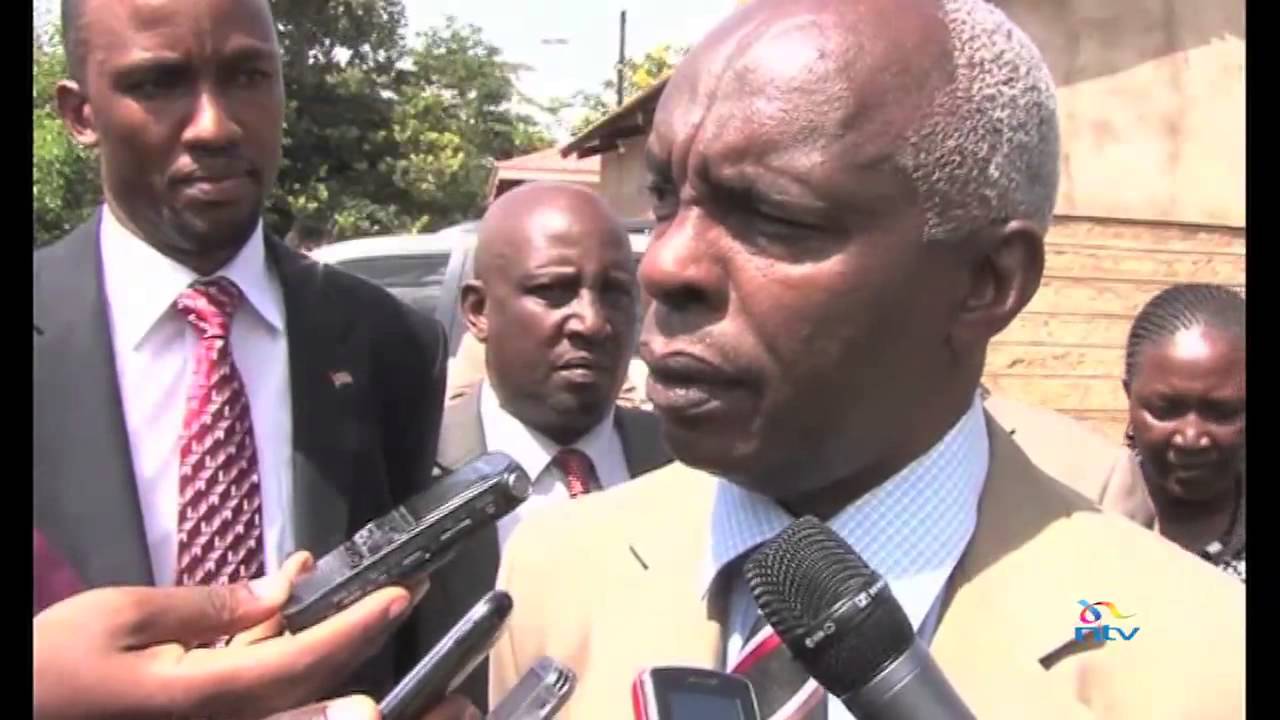
Makueni Governor Kivutha Kibwana and Mbooni MP Kisoi Munyao Photo:NTV
Makueni Governor Kivutha Kibwana has been embroiled in a war of words with Senator Mutula Kilonzo Jnr and Mbooni MP Kisoi Munyao over the Auditor General’s report that has unveiled massive misuse of public funds by the County Government.
The three leaders yesterday exchanged bitter words on social media after the Governor accused the Wiper legislators of destabilizing his government.
The war of words was seemingly ignited by Kisoi, one of the fiercest critics of Kivutha who accused the Governor of running a corrupt government. In a recent interview in a vernacular station, the MP castigated Kivutha for the misuse of public funds as revealed by the audit report and called for accountability.
The MP also read mischief in the stealing of six computers from the Department of Procurement two weeks ago at the county headquarters offices located in Wote town. The stealing of the computers came barely days after Mohammed Nyaoga, the Chair of the Commission of Inquiry looking into the possible dissolution of Makueni County ordered for documentary evidence from the procurement department after the Auditor General testified before the commission that the County Executive flouted procurement procedures in awarding of some tenders.
The remarks by the Mbooni MP drew the wrath of Governor Kivutha who took to social media and accused the MP of mobilizing other Wiper legislators to destabilize his government. In a lengthy Facebook post, in group called Makueni County Sharing Forum the Governor called on the Wiper leader Kalonzo Musyoka to give counsel to Senator Mutula Jnr and the MPs to support the county government.
“After we have begun to concentrate on development as a county government, Kisoi is trying to mobilize Hon Makenga and other Wiper MPs to destabilize us. Such MPs want us never to do development work and then wait for 2017 to say that we failed the people.
“We ask Hon Stephen Kalonzo Musyoka to advise his MPs to positively support county development efforts in Makueni. We politely ask that he gives counsel to his Senator and MPs,”
read the post in part.
The governor accused Kisoi of making defamatory statements against him and his government and threatened to take the MP and his counterparts to the public court.
“If Kisoi and other like-minded MPs continue to destabilize us then I will take the matter to the Makueni County Public’s court. We have been following the defamatory statements against us,” said the post.
The governor also denied allegations by the MP that the stealing of the computers was an inside job saying his government has already been reported the matter to the Criminal Investigations Department at both the county and national level.
“He says that the computers which were stolen from county offices were stolen through an inside job. We reported the theft to CID both at Makueni and National levels and investigations are ongoing,” said the governor in his post.
While quoting US President Barack Obama, Kivutha said the politics of witch-hunt had no place in the Makueni and the entire country and called on Kisoi to approach his government for any integrity issues.
“If Kisoi and others were acting in good faith they would seek a meeting with me or write about any integrity or other issues. We accept that any person from Makueni and indeed Kenya has a right to demand accountability from any public entity or individual. I wish Kisoi did listen to President Obama on how the opposition and young leaders should exercise leadership,” said the post.
However, the post did not go well with the senator and the MP who also took to Facebook to criticize the governor, with Mutula Jnr terming the post as unfortunate.
“I have read the post and I am totally perplexed. Lumping me in the latest utterances by Hon Kisoi (which I have not read or heard) is unfortunate. I was accused of doing many things in September 2013.I did not respond, God had answered for me.The Bible says in the book of John that the truth shall set you free,” read Mutula Jnr’s post.
The senator added that he had never commented on the audit report, as he was still waiting for the both arms of the county government to explain the financial discrepancies and wondered why the governor dragged Kalonzo’s name in the issue.
“Do I have to ask the permission of my party leader to do the above?,” he posed.
Also in a quick rejoinder, the Mbooni MP took to Facebook and told off the Governor for misleading the people of Makueni.
“As for the stolen computers, that is none of my business but the county governments. Secondly, I am not the author of the audit report. The people of Makueni need to know the truth and demand for accountability,” he said in the post.
The exchange of bitter words between the leaders elicited a flurry of reactions from residents on social media with a majority turning the heat on the Governor for incompetence.
The post that drew more than 400 comments was however immediately pulled down following a mounting criticism directed towards the governor who seems to enjoy majority support.
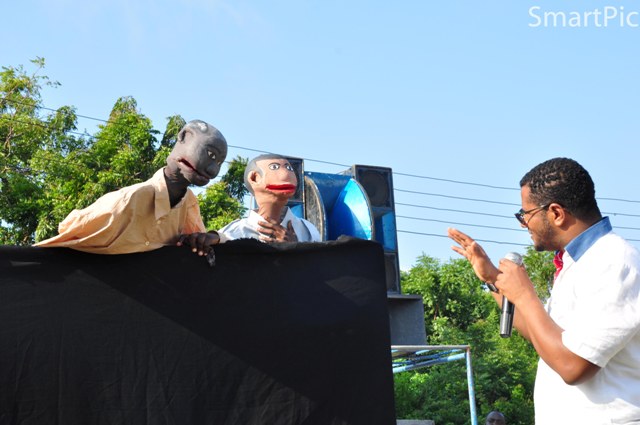
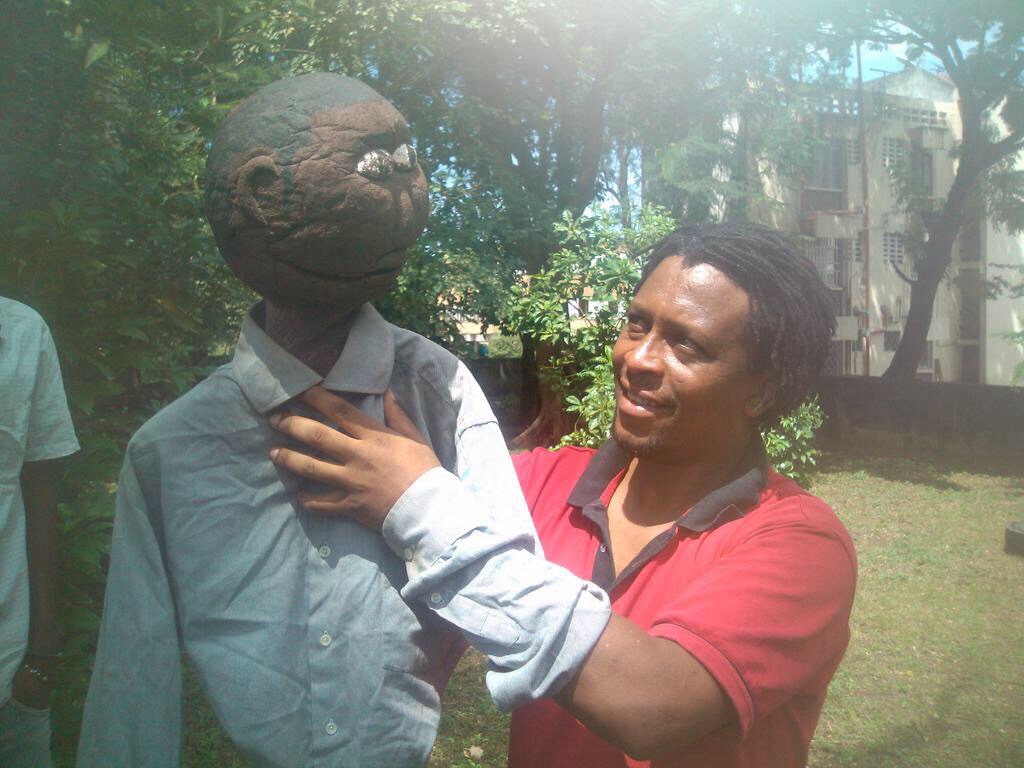
Tony Mboyo holds one of the puppets as he prepares Mombasa artists for Jukumu Letu launch
When Tony Mboyo landed in Mombasa about a week ago his job was to recruit potential artists that he can work with on the Jukumu Letu initiative. He sent word for artists who have an interest or experience in puppetry to show up for auditions. The response was quite good and what was impressive is that a good number of those that showed up were women.
Mboyo works with the Kenya Institute of Puppet Theatre (KIPT) a non-governmental and non-profit technical advisory and management community based theatre institute. KIPT uses puppetry, participatory educational theatre and folk media in life skills promotion, community education and cultural communication.
The auditions were an excellent opportunity to asses the artistes skills, level, interest and experience in puppetry as well as live acting, devising and creation.
“I shortlisted the trainees and we commenced the devising process with the selected artists. It was therefore easy for me as the artistic director to quietly harness that strength and integrate it into the puppetry training. In terms of content, The Maskani Mombasa conversation and tweet up really laid the ground for us to start interrogating the issues raised and to digress them further into artistic pieces in the form of puppetry skits, choral verses and spoken word,” he says.
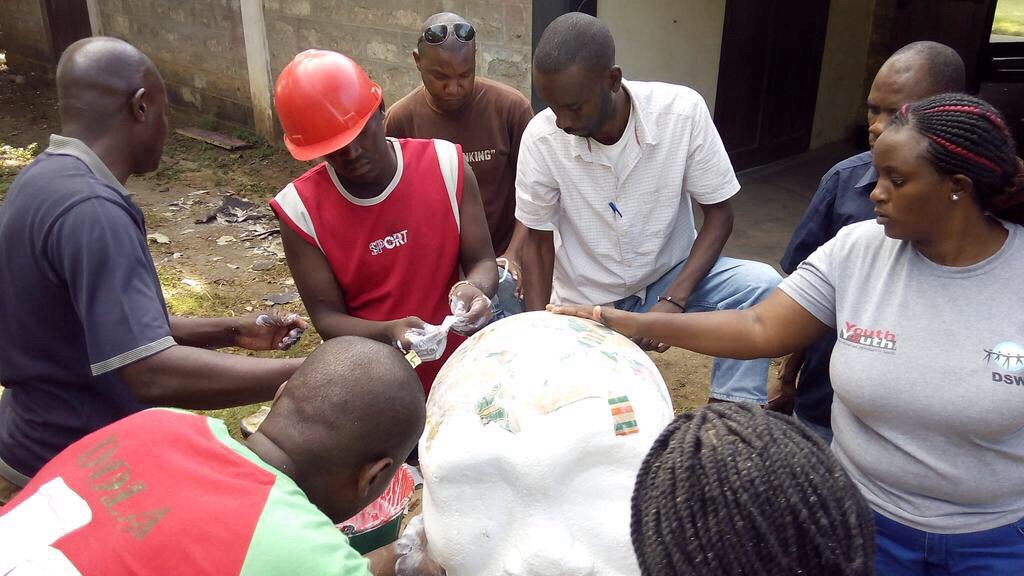
The rehearsals have been ongoing intensely and his team of trainees is working round the clock to ensure that their performance is ready for the Jukumu Letu launch on August 1st 2015 at the Mama Ngina drive, Mombasa. They are also working hand to finish the construction of a giant puppet which will be one of the main attractions at the puppetry performance.
The audience at Jukumu Letu launch can expect a unique performance integrating puppetry, poetry, choral verse and music that focuses on public participation in the governance of Mombasa county. The show will entertain, educate and engage the Mombasa audiences in looking at their county from a different perspective. Conversely, the performance ignite discussion at various levels and platforms and eventually form a basis for initiating change in the county.
In conclusion, Mr Mboyo says
“Puppetry enables the performer to communicate sensitive issues in a light manner, for after all isn’t it just a puppetry. It is the neutrality of the puppet that allows the community to see themselves, laugh at themselves and pity themselves in some instances. In design the puppet provides a mirror to the society to view themselves.”
Some of the youths attending the Youth Democracy Camp.
The Institute of Education in Democracy (IED) is this week nurturing a selected group of young people from across the country on democracy with a view of growing their knowledge to be democracy ambassadors in their regions. The project will be cultivating democratic engagement amongst the youth through art and expression in a project called Ni Jukumu Letu: Youth Learning and Living Democracy.
At a previous press briefing, Carla Chianese, the IED’s Program Head for the Civic Engagement and Flames of Democracy Program laid out the idea behind youth ambassadors in democracy. She said
this project is designed to embody democratic principles in the conceptualization, design and implementation phases, with emphasis on the causal pathway that democracy models work to cultivate the types of citizen characteristics which support a healthy, functioning democracy, such as a sense of justice and personal responsibility, as well as autonomy and individual agency.
The project is based on an innovative public work program that is currently being implemented in Lebanon, Maldives, Sri Lanka and the Democratic Republic of Congo; which comprises of Youth Democracy Camps. Carla added that
IED has taken the essence of this model and designed a framework that is premised on learning through democratic values and principles using forms of art and participatory learning.
To IED, the process is critical to making it a worthy project. The organization acknowledges that effective democracies are dynamic, and so too are the ways in which they will instill values and skills to promote the demand for good governance. Public participation being a new concept in Kenya and a value in the Constitution, the project is meant to enlighten young people on this critical issue. Carla explained that
While it is important that citizens are knowledgeable about their democratic systems and processes, as well as issues of democratic importance, democracies are founded on principles such as equality and participatory decision-making, therefore if adequately addressed; education for democracy strategies can provide a framework for lifelong participation in building engaged and effective citizens and communities, especially at this poignant time
The project is premised on ensuring that it becomes a transformative civic education program. It embraces citizen-centered learning through democracy, rather than about democracy, which was inspired by the Jukumu Letu program. IED is of the view that democracy needs to be learned, practiced and experienced. Learning about democracy occurs and is most effective when learning through democratic experience. Teaching about democracy is less effective.
In this undertaking, IED’s specific contribution to Jukumu Letu, is to focus on the role of art and participatory learning in helping achieve democratic transformation among the youth and how this can be transformed into engagement platforms. In order to achieve this, this project will implement a Youth Democracy Camp;
a platform for creative expression and learning through citizen-centered engagement hubs. These learning hubs will use varied forms or art such as music, theatre, and spoken word to cultivate youth voice and alternate narratives on social issues of importance in relation to the Constitution as determined by them. The objective of the Youth Democracy Camp is to promote learning on democracy and governance, as well as to provide participants with the opportunity to develop community 5 engagement action plans that will have concrete outcomes in improving aspects of democratic governance in their own communities. We are inviting two participants from each of the target 20 counties we are working with across the country to participate in the Youth Democracy Camp.
After the camp, the Youth Democracy Ambassadors will engage their communities for a period of one month. After that, there will be a learning and dialogue platform and then finally a showcase/exhibition event at the end of the year.
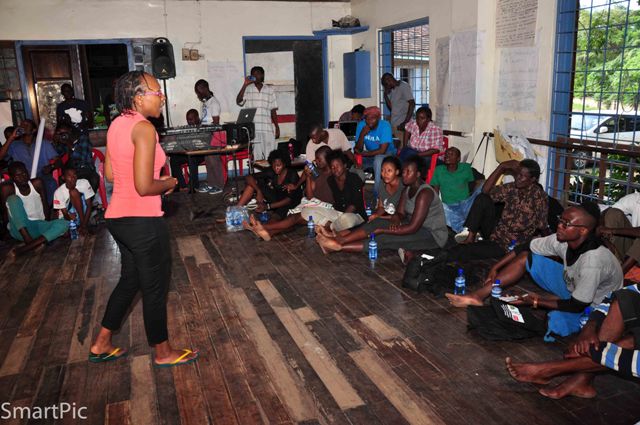
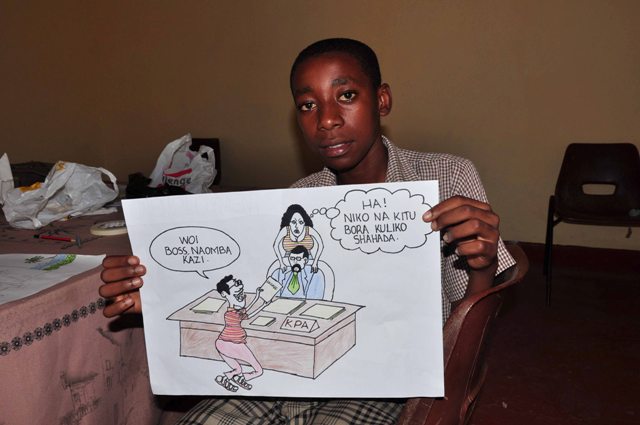
Today, jukumu letu partners were continuing with their training. In the below pictures, some of the great work being done by KATUNI is clear as the trainees are bringing out the core issues of concern to Mombasa residents. Kenya Institute of Puppets Theatre (KIPT) also have their trainees working on puppets while the bosses are all smiles, perhaps happy with the progress so far.
Creco’s Regina Opondo (left) and Hivos’ Stella Chege
Preparations for the Jukumu Letu launch in Mombasa are underway with a busy schedule of events by various groups preparing for the event that is slated for 1st August at Mama Ngina drive. The participants and artists held their first curation event was held on Wednesday at the Little Theatre.
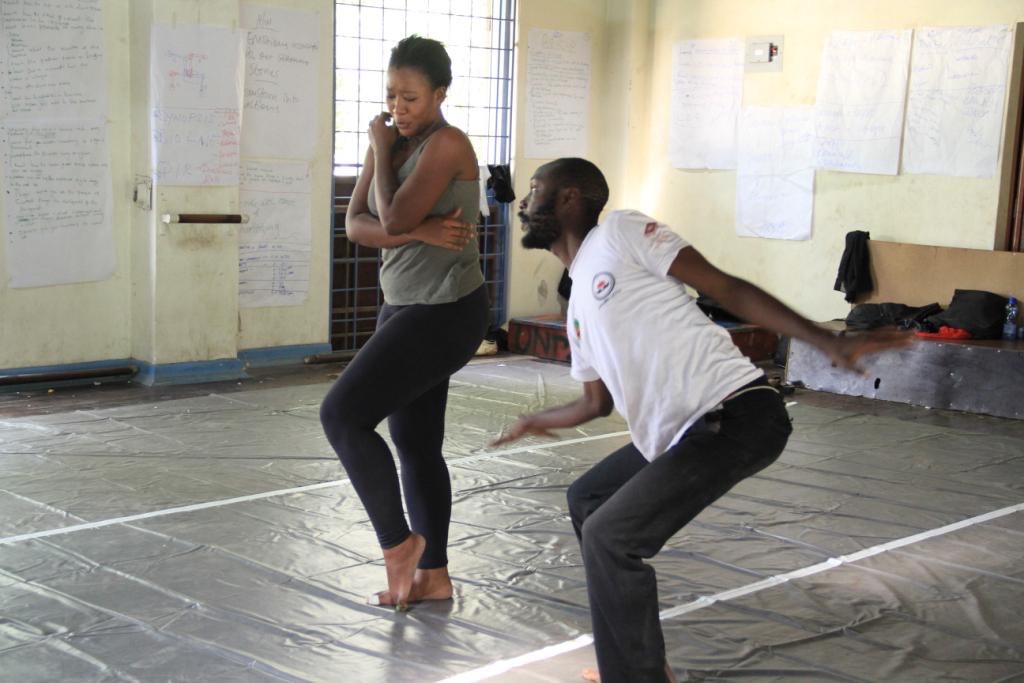
During the curation event the artists presented their pieces for critique from their peers. Jukumu Letu is on a mission to sensitize Kenyans on their role and responsibilities in the implementation of the new constitution using the arts.
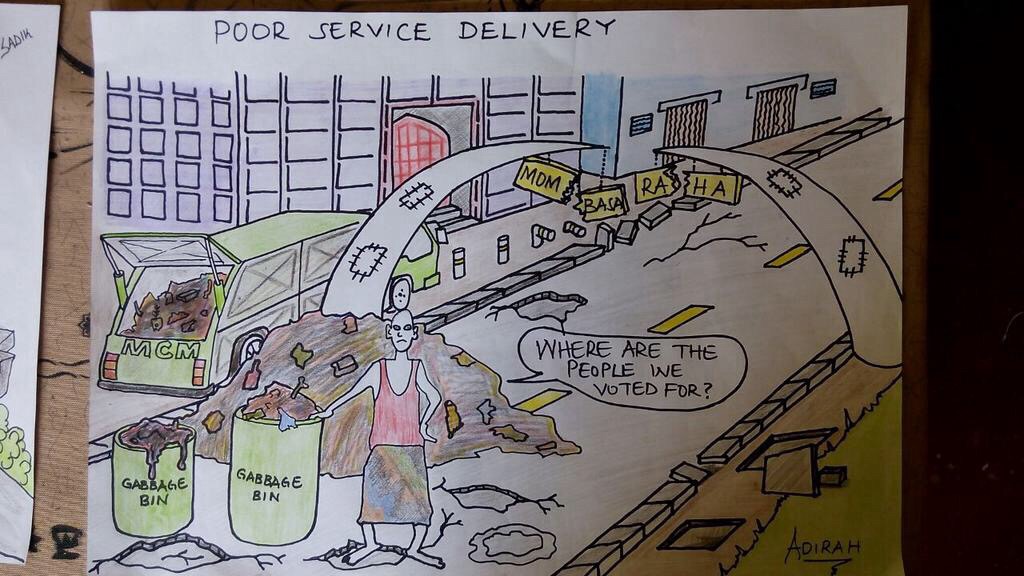
Some of the performers in the curation include dancers, Dee jays, puppeteers and cartoonists. Some of the photos from the curation are shared below, an interesting preview for the events that are set for Jukumu Letu launch.
This first curation offers the opportunity to make amends on some issues and perfect them. There will be a dress rehearsal on Friday from 2pm at the same venue.
Work underway on a giant puppet that will be on display at the Jukumu Letu launch on SaturdayDeejays with a cause will be playing at Mama Ngina on Saturday. Their focus will be on conscious music that will communicate the right ideals.Cartoons that critique government performance by Mombasa artists who have been trained by KATUNI to highlight societal issues will be on display.Tony Mboyo from Kenyan Puppet Theatre platform has been training puppeteers from Mombasa who will be performing during Jukumu Letu launch.