
Wednesday, December 17, 2025
Home Blog Page 5

Era of leaded petrol over, eliminating a major threat to human and planetary health

0

When service stations in Algeria stopped providing leaded petrol in July, the use of leaded petrol ended globally. This development follows an almost two decades long campaign by the UNEP-led global Partnership for Clean Fuels and Vehicles (PCFV).

Since 1922, the use of tetraethyllead as a petrol additive to improve engine performance has been a catastrophe for the environment and public health. By the 1970s, almost all petrol produced around the world contained lead. When the UN Environment Programme (UNEP) began its campaign to eliminate lead in petrol in 2002, it was one of the most serious environmental threats to human health.

2021 has marked the end of leaded petrol worldwide, after it has contaminated air, dust, soil, drinking water and food crops for the better part of a century. Leaded petrol causes heart disease, stroke and cancer. It also affects the development of the human brain, especially harming children, with studies suggesting it reduced 5-10 IQ points. Banning the use of leaded petrol has been estimated to prevent more than 1.2 million premature deaths per year, increase IQ points among children, save USD 2.45 trillion for the global economy, and decrease crime rates.

“The successful enforcement of the ban on leaded petrol is a huge milestone for global health and our environment,” said Inger Andersen, Executive Director of UNEP. “Overcoming a century of deaths and illnesses that affected hundreds of millions and degraded the environment worldwide, we are invigorated to change humanity’s trajectory for the better through an accelerated transition to clean vehicles and electric mobility.”

By the 1980s, most high-income countries had prohibited the use of leaded petrol, yet as late as 2002, almost all low- and middle-income countries, including some Organisation for Economic Co-operation and Development (OECD) members, were still using leaded petrol. The PCFV is a public-private partnership that brought all stakeholders to the table, providing technical assistance, raising awareness, overcoming local challenges and resistance from local oil dealers and producers of lead, as well as investing in refinery upgrades.

Dr. Kwaku Afriyie, Minister of Environment Science, Technology and Innovation in Ghana, said “When the UN began working with governments and businesses to phase out lead from petrol, sub-Saharan African nations enthusiastically embraced this opportunity,”

“Ghana was one of five West African countries to join early sub-regional workshops and declarations. Following PCFV’s media campaigns, reports, studies, exposing illegalities, and public testing done to expose high levels of lead in the population’s blood, Ghana became ever more determined to free its fuel from lead,” he added

Despite this progress, the fast-growing global vehicle fleet continues to contribute to the threat of local air, water and soil pollution, as well as to the global climate crisis: the transport sector is responsible for nearly a quarter of energy-related global greenhouse gas emissions and is set to grow to one third by 2050.

While many countries have already begun transitioning to electric cars, 1.2 billion new vehicles will hit the road in the coming decades, and many of these will use fossil fuels, especially in developing countries. This includes millions of poor-quality used vehicles exported from Europe, the United States and Japan, to mid- and low-income countries. This contributes to planet warming and air polluting traffic and bound to cause accidents.

“That a UN-backed alliance of governments, businesses and civil society was able to successfully rid the world of this toxic fuel is testament to the power of multilateralism to move the world towards sustainability and a cleaner, greener future,” Ms. Andersen said. “We urge these same stakeholders to take inspiration from this enormous achievement to ensure that now that we have cleaner fuels, we also adopt cleaner vehicles standards globally – the combination of cleaner fuels and vehicles can reduce emissions by more than 80%.”

In addition, while we have now eliminated the largest source of lead pollution, urgent action is still needed to stop lead pollution from other sources – such as lead in paints, leaded batteries, and lead in household items.

The end of leaded petrol is expected to support the realization of multiple Sustainable Development Goals, including good health and well-being (SDG3), clean water (SDG6), clean energy (SDG7), sustainable cities (SDG11), climate action (SDG13) and life on land (SDG15). It also offers an opportunity for restoring ecosystems, especially in urban environments, which have been particularly degraded by this toxic pollutant. Finally, it marks major progress ahead of this year’s International Day of Clean Air for blue skies on the 7th of September.

Rubis energy launches scholarships for Kenyan students

1

More students are set to join the Rubis Energy Kenya Scholarship Fund (REKESF) this academic year. The scholarships are awarded to needy students from underprivileged homes who have performed exceptionally well. They will join 29 other secondary school students and 16 university students who are currently beneficiaries of the fund in both secondary and university institutions around the country.

The fund has been critical in assisting students to complete their O-level education and is granted to students who have completed their Primary School KCPE (Kenya Certificate of Primary Education) exams and passed with distinction, but whose chances of progressing to secondary school are curtailed due to lack of adequate financial resources. This scholarship is available to students who have received admission to 4 select schools: Alliance High School, Alliance Girls School, Limuru Girls Secondary School and Mangu High School.

Upon completion of their secondary education, the scholarship is further extended to cover university education for the students with exceptional grades.

“As a company, we recognize that our existence is part of a larger system of people (employees and community), and other organizations. We are committed to being a responsible organization that meets the highest standards of ethics and professionalism. Education is a key component of our culture, and we will do our best to ensure that we invest in the future of the communities we are part of.” said Mr. Jean-Christian Bergeron, the Rubis Energy Kenya Group Managing Director and CEO for Rubis East Africa.

Stephen Nyarenchi formerly of Alliance High School said, “Rubis Energy came in at a critical point to assist in funding my secondary school education. This has ensured that my hopes of becoming great in future are still in motion.”

Kipkoech Venuns a final year student at The University of Nairobi added, “This has been a life changing-opportunity in making sure that I am able to see my dreams come to fruition.”

This year, the scholarship will take up more students based on their outstanding Kenya Certificate of Primary Education results, a need-based background, and admission to the Secondary Schools in the program

Poor pig handling leading to low quality pork on our tables -study

0

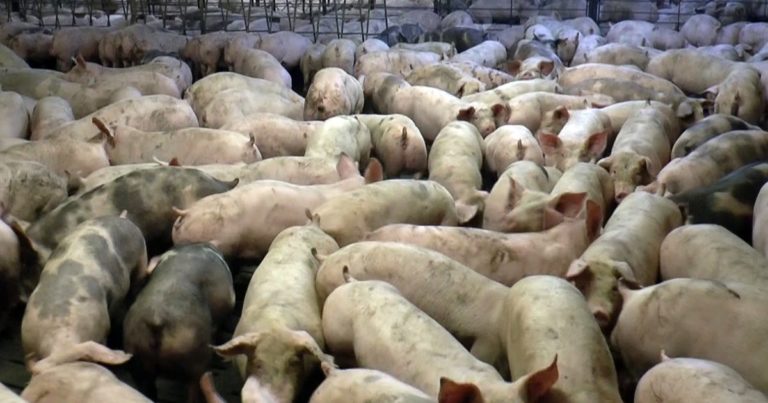
There is a direct relationship between how pigs are raised in the farm, transported, slaughtered and the quality of pork that we consume.

According to a collaborative study released by World Animal Protection, International Livestock Research Institute (ILRI) and University of Nairobi, the quality of pork is largely determined by how the pig is raised in the farm, transported, and subsequently slaughtered.

The study titled “Animal welfare and food safety in the Nairobi pork value chain” was conducted in a leading slaughterhouse in Nairobi between 5th January and 4th March 2021. It sought to collect information on where the pig was farmed, how it was transported, and gross lesions on the live animal and the carcass.

The findings shows that a quarter (25.83%) of the pork produced by the slaughterhouse, within the study period, was of poor quality. Almost all (99%) the pigs were poorly stunned and died in pain. The stunning voltage was found to be 0.3-0.4 Amperes against the internationally recommended 1.3 Amperes.

The study further found out that half (52%) of the pigs were kept for longer than 24 hours between time of purchase and slaughter, leading to the further degradation of the meat quality. 20% of the pigs were mixed from different farms, leading to fighting as the animals tried to establish a social order resulting in injuries. Almost a third (27.7 %) of the pigs were poorly transported e.g., tied to a motorbike causing further injuries which ultimately affect the quality of meat.

This study raises critical concerns regarding animal welfare in relation to what lands on our tables and offers solutions that need to be implemented by the pig industry. Pigs are sentient and ought to be treated humanely during production, transportation and slaughter. Neglecting this leads to animal cruelty and suffering which has an economic impact along the value chain.”  Says Dr. Victor Yamo, Farming Campaigns Manager at World Animal Protection.

Below are the study findings per thematic area.

Transportation

Pigs were strapped onto motorbikes and those transported using vehicles were overloaded. Most were kept for more than 24hours in the lairage before slaughter.

Strapping pigs onto motorbikes and overcrowding causes injuries, such as lacerations, bruises and fractures leading to down grading of the meat, which translates to reduced income/profit to the farmer or trader.

Pigs should not be kept for more than 18 hours without food and water. Keeping them for a longer time than that leads to the animal utilizing its energy reserves to sustain normal body functions causing weight loss hence reduced meat to sell. Meat obtained from a stressed pig tends to lose excess water as compared to non-stressed pigs. The meat weighs less leading to less income/profit.

Identification

Most live pigs were painfully marked on the ears with sharp objects such as nails for purposes of identification at the lairage and after slaughter.

This process causes intense pain, causing physical injury and subsequent fear to the pigs. The identification lacerations (cuts) create avenues for entry of pathogens such as bacteria. Nevertheless, this is a key source of stress to the animal and as the animal fights back it becomes difficult to handle. Slaughterhouses should shift to a non-invasive methods of marking pigs such as with paint or markers

Stunning

The electrodes of the stunning device were dirty, old, and corroded. The stunning current was 0.3 Amperes, which is below the recommended current of 1. 3 Amperes. Nearly all pigs were incorrectly restrained and stunned. Some were stunned as they moved before slitting the neck.

Stunning is purposed to render the animal unconscious before slitting the neck. Improperly stunned animals end up being bled when still alive, able to feel pain and struggle. As the animal is still conscious and normally breathing, it inhales blood from the cut site (throat region) into the lungs. This scenario lowers the meat quality, giving a poor aesthetic appearance and shortens the shelf life of the meat. Proper restraining of pigs during stunning process ensures the rods are placed on the right site and also prevents electric shock to humans.

Pigs should be properly restrained before stunning. The stunning device should be clean, well maintained well positioned on the neck at the base of the ears. Stunning should be done with a clean and well-maintained stunning device with a current of 1.3 Amperes. The electrodes on the stunning gun have to be cleaned daily for effective transmission of current.

Additionally, farmers need to treat animals only when sick which should be done by a registered animal health practitioner. They should not self-prescribe drugs or give drugs to animals when not sick. Traders/buyers should ensure they get the treatment history of the pigs before they buy. They should buy pigs that are not under treatment and where they know that the correct drug withdrawal period has passed since the last treatment.

Kenya receives 880,460 doses of Moderna COVID-19 vaccines, a major boost to vaccination efforts

0

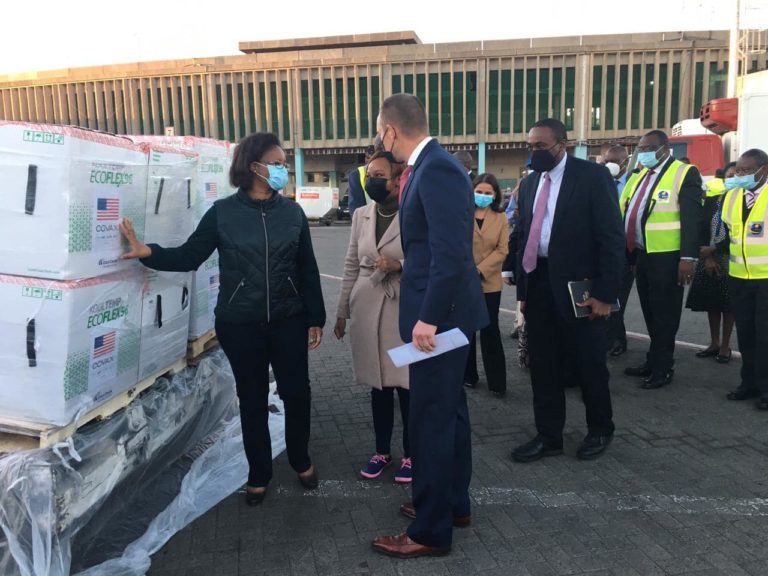
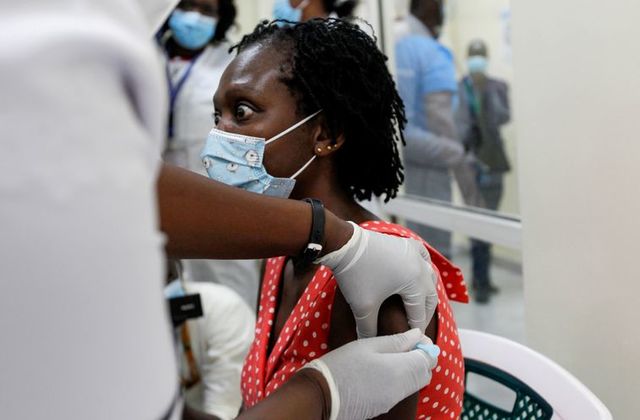
Kenya on Monday received 880,460 doses of Moderna COVID-19 vaccines in yet another boost to the ongoing vaccination drive that targets to vaccinate 10 million people by the end of the year.

According to the Ministry of Health,the Moderna Vaccine doses, donated by the US government, is the second vaccine in Kenya’s programme after AstraZeneca with at least 1,615,687 people having received at least one dose and 780,377 fully vaccinated by 22nd of August 2021.

Speaking at the Jomo Kenyatta International Airport while receiving the donation, Health Principal Secretary Susan Mochache, who was representing Health CS Mutahi Kagwe during the event, said the development marked an important milestone in Kenya’s covid-19 vaccination programme.

“The shipment is the first of the 3.5 million doses of vaccines to Kenya by the US government which includes today’s donation, a similar number of Moderna doses and a further 1.6 million doses of Pfizer vaccines scheduled to be delivered mid next month” Said Mochache.

Mochache at the same time thanked other governments and partners who have supported Kenya’s Covid-19 vaccination programme. “On behalf of the ministry of health and all Kenyans, I sincerely thank the government of the United States for the kind donation. Further I extend my thanks to the governments of the United Kingdom, Denmark, Greece and France who have so far donated a cumulative total of 1,130,000 doses of AstraZeneca vaccines” observed Mochache.

She said the government has revised its vaccine deployment plan taking into consideration the availability of multiple vaccines with an aim of vaccinating 150,000 people each day before the end of September adding that the focus is on protecting those at the greatest risk of infection. Mochache said the government has put in place elaborate mechanisms to ensure it has the capacity to deploy all the vaccines across the country including Pfizer that requires storage of -70 degrees.

While noting that the first phase of the vaccination that ended in June was hampered by global vaccines supply, Mochache said the country has made tremendous gains reducing case fatality rates to 2 percent from 2.1 percent with plans underway to increase vaccination posts from the current 800 to 3000.

Speaking during the event, US Embassy Charge d’Affaires Eric William Kneedler said the 880,460 doses of Moderna COVID-19 vaccine is the first shipment of 1.76 million doses donated by the United States via COVAX facility. He said the US government remains committed in supporting Kenya’s realize her objective of vaccinating her entire adult population with the donation a demonstration of the strong partnership between Kenya and the United States.

UNICEF Kenya Country Representative Ms. Maniza Zaman said international solidarity remains critical during the Covid-19 pandemic even as she called on Kenyans to get vaccinated to protect themselves from the disease.

The government plans to vaccinate 10 million people by close of the year with 26 million people expected to have been vaccinated by the end of next year. Already 2.9 percent of the entire adult population has been vaccinated.

The first vaccination began on 5th March 2021 with county vaccinations kicking off on 8th of March 2021. The second dose vaccination began on 28th May 2021. The government is conducting the vaccination free of charge.

The rollout of the national vaccination campaign is being led by the Ministry of Health, with support from WHO, UNICEF, Gavi and other partners.


Greenpeace Africa demands Truthfulness in the Pesticides Conversation in Kenya

0

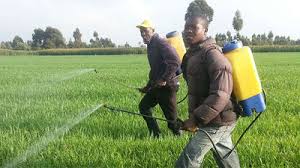
In response to a media report that farmers have petitioned the Kenyan parliament to review an EU policy that prompted a ban of the use of some pesticides before Kenya adopts it, Greenpeace Africa Food campaigner, Claire Nasike has said:

“Kenyan farmers deserve to know the truth about pesticides. The associations championing the use of pesticides have misled our farmers, who deserve the truth about toxic pesticides’’.

The petition in parliament is to protect farmers and consumers from harmful pesticides that have been scientifically proven to be carcinogenic, mutagenic and generally detrimental to human health.

The Fresh Produce Consortium of Kenya CEO Ojepat Okisegerea and the other association members need to provide the right information to the farmers involved in the petition. This is not a call for a blanket ban on all pesticides, but rather the most toxic ones that compromise the quality of our health and environment”

Kenyans’ right to safe food has been compromised, after years of exposure to food that is high in pesticide residues. Banning these toxic pesticides is a step in the right direction to encourage farmers to embrace already-existing environmentally friendly alternatives, such as integrated pest management.

A 2016 report by the World Health Organisation states that pesticide residue in food has adverse health risks to human health. Some of the risks include cancer, effects on reproduction, immune or nervous systems. A shift to ecological farming should be encouraged at all levels of farming. 

Covid-19 fight in Kenya: The gains, losses and expectations

0

It has been almost most one and –half years later, and the fight against Covid-19 rages in Kenya albeit in a haphazard manner. As far as the gains are concerned, the schools have now opened for the first term after a successful re-opening of last year’s third term saw just a few Covid-related incidents. In most schools, teachers have moved to ensure that Covid-19 related protocols are implemented. Sadly, some schools cannot do the same as they lack basics such as water.

During the pandemic, many people lost their jobs and instead of just sitting at home they have opted to start small businesses such as making soap, hand sanitizers, masks among other essentials needed at this time. Innovation has also taken centre stage.

The launch of Covid-19 vaccination program was successful and although the uptake was marred with misinformation and lack of awareness, it is expect that both of these problems will be countered with time to ensure a fully vaccinated population as targeted by the government.

The sports and entertainment businesses are yet to make a full come-back and some people are still suffering economically because of this. It is expected that the stakeholders in the industry will continue to lobby for opening up of the economy further as well as suspension of the curfew.

The country has lost quite a number of people and it seems that despite the best efforts quite a number are still ignorant of the deadly disease and its mutating variants. Additionally, many county governments were ill-prepared and the situation continues unabated to the suffering of residents. On the other hand, some governments have really tried their best and have moved one or two steps in the fight.

The above are just a few of the highlights in the fight against the Coronavirus pandemic. To know more, read on the fight, gains, losses and expectations below as covered by our  bloggers spread out in the country:

https://lifesongkenya.org/2021/07/27/corona-related-travel-bans-on-kenya-and-their-effects/

https://lifesongkenya.org/2021/07/28/covid-19-effects-on-  kenyan-women/

https://www.saringin.com/how-schools-have-coped-with-covid-19-after-re-opening/

https://www.saringin.com/corona-effects-on-sports-and-their-fans-in-kenya/

https://amazingkisumu.co.ke/blog/2021/07/29/misinformation-vaccination/

https://amazingkisumu.co.ke/blog/2021/07/30/counties-combating-covid-19/

https://www.kenyancollective.com/cottage-industries-come-corona-pandemic/

https://www.kenyancollective.com/kenyan-government-effectively-addressed-socio-economic-effects-corona/

https://aptantech.com/2021/07/27/vaccine-distribution-inequalities-and-their-effects-on-kenyans/

https://aptantech.com/2021/07/29/how-kenyans-are-coping-with-the-mental-health-effects-of-covid-19/

https://www.afrocave.com/covid-19-vaccine/

https://www.afrocave.com/great-personalities-fighting-covid-19/


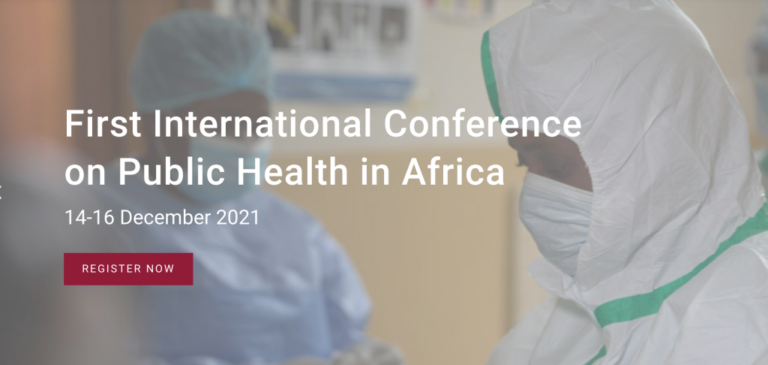
Africa CDC to Host the Inaugural Annual Conference on Public Health in Africa from 14-16 December

0
The Africa Centres for Disease Control and Prevention (Africa CDC) (www.AfricaCDC.org) has announced that the 1st International Conference on Public Health in Africa (CPHIA), which was postponed (https://bit.ly/3xFjH43) earlier this year due to COVID-19, will now take place virtually 14-16 December 2021.
The conference offers a unique platform for African researchers, policymakers, and stakeholders to share scientific findings and public health perspectives and collaborate on research, innovation, and public health across the continent.
The COVID-19 pandemic is far from over in Africa. With 7 million infections and almost 175,000 lives lost across the continent, its impact has already been severe. Economic and social disruptions caused by COVID-19 have threatened even more lives and livelihoods, putting years of human development progress at risk of reversal.
“Africa has been hard hit by the COVID-19 pandemic. At the same time, COVID-19 has created a historic opportunity to build a new public health order that makes health for all a reality across the continent. Together, we can build health systems and manufacturing capacities to effectively respond to multiple health threats,” said John Nkengasong, MSc, PhD​​, Director of the Africa CDC.
“The Africa CDC’s inaugural annual conference provides a platform that capitalizes on the knowledge, experience and ambition of Africans to collectively pave the way for a healthier future for all,” he added
Over the course of three days, scientific tracks focusing on the COVID-19 vaccine rollout, health systems strengthening and learnings from the COVID-19 response will be covered through keynote and panel presentations, plenaries and participatory sessions with a special focus on skill-building for early career professionals.
An Organizing Committee of more than 15 health leaders from across Africa and the globe are helping to shape the strategic direction of the conference.
CPHIA Co-Chair and Vice-Chancellor of the University of Global Health Equity, Professor Agnes Binagwaho, MD, M(Ped), PhD shared: “By convening some of the leading figures in public health in Africa, the conference will provide a forum to review lessons learned from COVID-19 and to shape more resilient health systems that can effectively respond to future crises. We are eager to see up-and-coming future leaders take center stage in front of their peers as they work to advance public health, scientific education and research in Africa.”
“The past 18 months have been full of uncertainty and hardship – especially for women and girls and other marginalized groups – but one clear message has emerged: to build a healthier and more equitable future for all Africans, we need African leadership and African-led solutions,” said Professor Senait Fisseha, MD, JD CPHIA Co-Chair and Director of Global Programs and the Susan Thompson Buffett Foundation.
“I am so inspired by the immense talent and expertise we already have on our continent, and in awe of the leadership of Africa CDC. Through this unique platform, we can chart a bold path forward to improve health care for all people.”
Additional details of the conference will be made available in the coming months. Participants are invited to register for the conference at www.cphia2021.com.

Where to get the Covid-19 vaccine in Kenya

0

You will no longer have to travel long distances or suffer even longer queues thanks to the unveiling of a new list of Coronavirus vaccination sites spread all over the country and counties.

In the list made public by the Ministry of Health in Kenya are both major and smaller hospitals all offering the vaccine for free.

The move is expected to boost the efforts of the government whose target is vaccinating the entire adult population by December 2022.

“All vaccines deployed for COVID-19 vaccination in Kenya have received both World Health Organisation and Kenya Pharmacy and Poisons Board Emergency Use Listing. These vaccines have been evaluated and found to be safe for use to combat the Covid-19 pandemic,” said the Ministry of Health in a tweet

Meanwhile, the government has warned against adverts of insurance companies purporting to insure patients against the adverse side effects of the COVID-19 Vaccine.

“Our attention has been drawn to posts/advertisements circulating in social media by an Insurance company alleging that they are offering to cover for “adverse side effects” arising from Covid-19 vaccinations. The Ministry of Health wishes to state that insurance against side effects is not only unnecessary but unethical. No company should claim to provide insurance services against vaccine side effects or side effects of any medicine,” said MOH.

You can find the list here

End wildlife trade to save the African lion

0

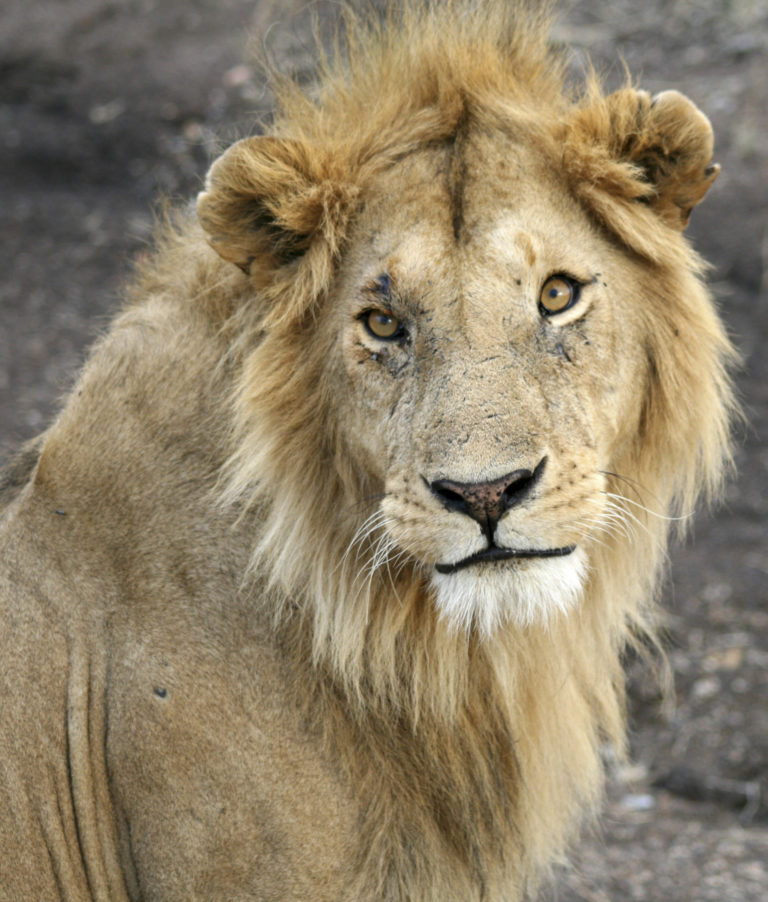
World Animal Protection has raised alarm on the plummeting numbers of wild African lions, part of it is as a result of global wildlife trade. Africa’s lion population has almost halved in the past 25 years. Habitat loss and fragmentation, wildlife trade, bushmeat poaching and human-lion conflict continue to threaten lions across Africa, – which are now classified by the IUCN as Vulnerable, with the West African subspecies Critically Endangered.

For many years African countries have been the go-to tourist destinations to experience safaris with key target being spotting the African lion in the wild.

These scenarios may not be the case in the near future if nothing is done to end the captive lion breeding industry where lions are bred and raised in captivity for commercial purposes, including canned trophy hunting, cub petting, walking with lion experiences and trade in lion bones for traditional medicine.

Captive lion industry threatens the survival of lions and has a negative impact on tourism, public health and safety.

Edith Kabesiime, wildlife campaigns manager at World Animal Protection said; “It is encouraging to see some African countries like South Africa making commitments to shift away from the practice of breeding and keeping lions in captivity, using captive lions or their derivatives commercially.   

 World Animal Protection commends South Africa for this important step forward and hopes that this declaration will be fully implemented and other African states who are considering legalising commercial lion breeding can halt the process.”

Lions suffer at every stage of their life in breeding farms. Intensive captive conditions increase the risk of zoonotic disease transmission. Ending the trade in wild animals is not only good for the animals, but also for the people.

As the world struggles to respond to the current global health pandemic, it is more important now than ever to be aware of public health risks from contact with wild animals and to reduce risks wherever possible.

There is a need for states to take bold steps through enacting and operationalizing laws that heavily punish those involved in wildlife trade. Wild animals can no longer be reduced to commodities simply to be cruelly exploited by humans, without any regard for their lives or welfare.

Countries need to enact animal welfare and environmental policies that protect individual wild animals and allow them the right to a life in the wild. Wild animals are sentient beings, and their intrinsic value should be recognized as an essential component in ensuring the survival of species as well as the protection of the environment. This is the real ‘new deal’ for wildlife, people, and the planet.

Kenya sanitation week to include 15 defacation counties

The Kenya Sanitation Week campaign entered its third day on Wednesday with calls for communities to prioritize hygiene and sanitation as a way of enhancing human development.
The campaign which kicked off simultaneously in six counties on Monday targeting 15 high burden Counties aims at ending open defecation by 2025.
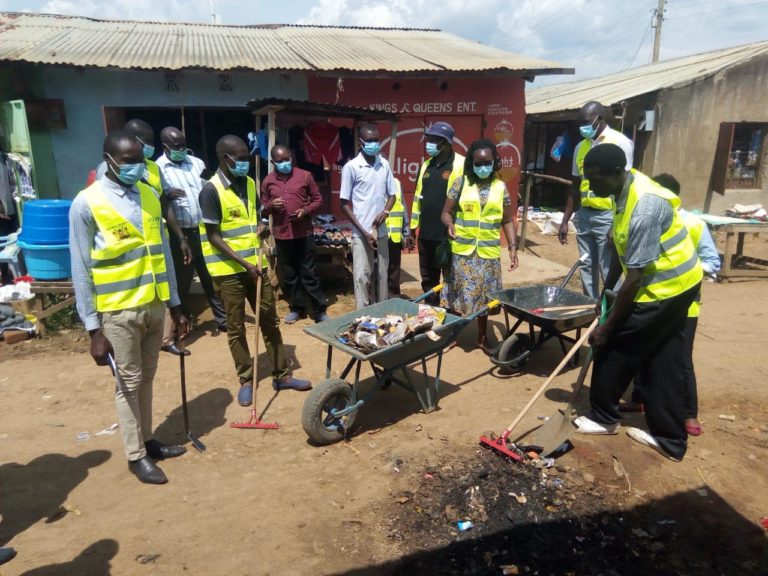
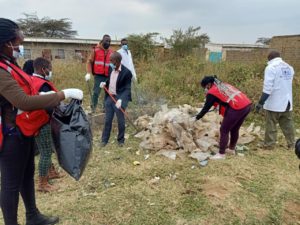
Principal Public Health Officer at the Ministry of Health (MoH) Janet Mule leading a community cleanup exercise at Rangwe market in Homabay County, said the 15 counties contribute majorly to open defecation with nearly 10% of the population in these counties practicing open defecation which is a threat to human development.
“Open defecation, is a practice which leads communities to experience high infant mortality rates and child mortality among other problems including the spread of Covid 19 which we know is a sanitation and hygiene related condition,” she said.
The Kenya sanitation week is an annual event that seeks to highlight the importance of hygiene and sanitation as one of the major positive livelihood practices for communities as a way of enhancing human development.
It brings together Non- Governmental organizations (NGO’s), government agencies, the private sector, media and individuals to participate in raising awareness about sanitation and hygiene.
The campaign is being rolled out in 15 high burden open defecation counties namely Baringo, Garissa, Homa Bay, Isiolo, Kajiado, Kilifi, Kwale, Mandera, Marsabit, Narok, Samburu, Tana River, Turkana, Wajir, and West Pokot.
This week the campaign is focusing on Community and household clean-up exercises, school debates, and an award ceremony for Counties that show exemplary performance during the week.
The theme for this year’s Sanitation Week is. “Good leadership in sanitation and hygiene is key to ending open defecation”

10 emerging issues from Covid-19 reporting in Kenya

0

Lack of enough data, proper research, proper planning, and compassion towards each other are among the factors hampering the fight against Covid -19 in Kenya.

These emerged at a Twitter spaces discussion hosted by the Bloggers Association of Kenya (BAKE) on 26th July 2021 with panelists James Ouma of Lifesong, Influencer Florence Kamaitha of Her Business.co.ke and Journalist David Indeje who also doubles up as the Khusoko.com founder.

The discussion was part of the Covid-19 response project supported by Deutsche Welle Akademie (DW) and The European Union.

The three, have been on the forefront and laid down the emerging Covid-19 issues below to the audience,

  1. Government not sharing data

Granted, the government has done a fairly good job of sharing the number of deaths so far, people who have contracted the disease, those who have been vaccinated, and so on. This is done on a daily basis by Cabinet Secretary Mutahi Kagwe or a member of it his ministry. While this is a good move, Ms. Kamaitha was emphatic that the government was not sharing enough data.

Government not sharing data about the people who took care of themselves at home and were cured so we should share information with each other. We are on our own so let us engage in practical solutions like sharing food and buying masks for those who cannot afford, “she said.

Kamaitha added that we need more data on the pandemic to avoid strained facilities and strained human resources and to also know how the vaccines are being administered as while the urban and middle-class are scrambling for the vaccine, their counterparts in the village are not as welcoming to the idea.

“Having the fatality rate of COVID-19 has helped us understand its severity, identify at-risk populations, and evaluate the quality of healthcare systems in the country,” she pointed out

  1. Financial Literacy

One of the worst effects of the Corona pandemic was the loss of jobs of by quite a number of people as the economy was badly affected; a frustration Kenya shares with the rest of the world. So many people were caught off guard as they did not know how to live a life without the guarantee that comes with a salary.

Others had never saved for a rainy day while another group suddenly found themselves with much money after being sent home but it is now all gone. On the flipside, some people have made much, money because of the pandemic and do not know how to properly manage their funds. The audience learned that Kenyans need financial literacy to make informed decisions on their spending habits.

  1. More research is needed

So far, there have only been knee-jerk reactions to issues as they emerge and now that the pandemic is on its fourth wave in the country, we need holistic research to cover various issues so that there can be proper planning and execution.

“The government did not have a practical plan for Kenyans on Covid-19; not well-equipped hospitals, not information,” said Kamaitha

Ouma pointed out that most women are unable to find work during the pandemic and the reasons for this should be established alongside proper recommendations that can help address the situation.

In most families, women have been affected as the primary providers. Due to the covid-19 restrictions, they were not able to access jobs to fend for their families

  1. We need more compassion towards each other

As aforementioned, quote a number of people have been affected financially and there is, therefore, a need to have more compassion to those around us. Ouma who has been at the forefront of helping out disadvantaged families said: “Covid gave Kenyans an opportunity to serve poor families like we have never served before.”

He added that we should learn to share; food, job openings and take care of each other as quite a number of people have been affected.

  1. Domestic Violence

It is an open secret that cases of domestic violence have spiraled since the first case of Covid-19 was reported in Kenya and the situation is not getting any better with killings each day attributed to poverty or people affected mentally among other issues. On this, all three panelists were very empathic that we need to report them with Kamaitha adding that we need to have clearer and accessible ways of reporting domestic violence.

“Covid-19 showed us that we lack safe houses for girls and women. Rape cases, gender-based violence cased were on the rise during the pandemic,” said Kamaitha

While lauding efforts to come up with safe houses for affected people Kamaitha said: “We don’t have enough safe houses but there have been some efforts with government houses being turned into safe houses.”

  1. People using social media, blogs to tell their stories on Covid-19

As the old adage goes, the wearer of the shoe is the one who knows its pinch and the people who have been affected directly or indirectly are now coming out to tell stories of their walk to recovery, how they dealt with the death of their loved ones or experiences getting the vaccine. A good case in point is the Orange Democratic Movement Director of Communication Philip Etale who took to social media to speak about getting the condition for a second time. There is also blogger Wanjiru Kihusa of Still a Mum who also wrote about her experience getting the corona vaccine in Dubai among others.

  1. Need for more awareness

It is very clear that we are not yet out of the woods and despite the soaring number of cases and deaths related to Corona complications, we are still seeing citizens attending public gatherings at the invite of politicians. While speaking on this, Indeje expressed disappointment that people are still not taking any precautions as advised.

“Across East Africa, it’s only Kenya where we have high numbers. We still have transport vehicles not promoting social distancing, people not wearing masks and so much more,” he said.

  1. Journalists, content creators suffering from mental health issues

As mentioned above, quite a number of families are facing issues related to poverty, domestic and sexual violence with Kenya recording a very big number of teenage pregnancies. All these are not easy to take in day after day, speaking about them and not seeing any tangible action on them. All these have led many journalists and content creators to suffer from mental health issues and have had to seek help for the issues.

  1. The gains

Despite all that is happening, it has not all been doom and gloom as Indeje was quick to point out as the government did come out in support of its citizens by waiving some taxes on essential goods. The situation has since been reversed but it helped quite a number of citizens stay afloat. In this regardKamaitha pointed out that a textile factory had also been converted into a face mask-producing factory –

“The government deserves a pat on the back for some measures that cushioned citizens such as waived taxes that only made a comeback this year,” said Indeje

  1. Disinformation and misinformation the weakest link in the fight against the Corona pandemic

The spread of fake news, disinformation & conspiracies on the coronavirus pandemic on the internet presented a major challenge to the health authorities, fact-checkers, and frontline stakeholders battling to stop the spread. The same situation prevails with the accessibility, distribution, and uptake of the Corona vaccine and there is still a need for more people to counter-check and disabuse the fake news.


National Museums of Kenya to use BOA grant for Murumbi Heritage Collection restoration

0

The National Museums of Kenya (NMK) has been selected as a 2021 Bank of America Art Conservation Project grant recipient. The grant will fund the restoration of three artworks from the Murumbi African Heritage Collection.

This grant to NMK is one of 23 major art restoration projects in 13 countries being funded by Bank of America’s Art Conservation Project.

The company this year celebrates a decade of art conservation projects providing grant funding to not-for-profit cultural institutions throughout the world to conserve historically or culturally significant works of art that are in danger of deterioration.

Dr. Purity Kiura, the Director Antiquities, Sites and Monuments, National Museums of Kenya, confirmed the art works to be restored with Bank of America funding are a significant part of the Murumbi African Heritage Collection. The three works include an Ethiopian canvas painting of St. George slaying the dragon, a Sudanese painting on hide substrate by Salih Mashamoun and a Yoruba beaded textile crocodile.

“The Murumbi African Heritage Collection is unique in that it includes everything, ranging from African textiles, jewellery and ancient books that have gone out of print to artifacts collected from all over Africa. It is an extensive private collection of the late Joseph Murumbi, a retired politician who committed his life to the preservation of African Art.

“There is simply no other collection of its kind in Africa. There was also no other collector of Murumbi’s stature in sub-Saharan Africa with such a huge personal collection of African arts. This grant from Bank of America will help preserve the Murumbi artwork and legacy for decades to come,” says Dr. Kiura

“With the 2021 selections, we have now been able to fund the conservation of over 5,000 individual pieces of art through 195 projects in 36 countries since launching the program in 2010,” said Rena DeSisto, global arts and culture executive, Bank of America. “It’s a privilege to support this important work to safeguard our cultural treasures as we believe in the power of the arts to help economies thrive, educate and enrich societies and create greater cultural understanding.”

Made from delicate materials like skin, paper and beads, the artworks require different levels of restoration. The conservation process of each piece will be a joint venture between NMK and conservators from the British Museum (BM).

The BM Organic Artefact Conservation team will provide conservation treatment, as well as preventive conservation and collection care advice and training to NMK staff caring for this collection.

As part of this exchange programme, staff from NMK will have an opportunity to gain valuable knowledge relating to materials, techniques of manufacture, and local traditions of repair using the collections in the Murumbi African Heritage Collection to enhance collections care knowledge and inform conservation practice in NMK.

This project is scheduled to start in late November 2021 and is expected to end in March 2022. The project has been organised into two phases. Phase one will involve carrying out condition assessment of the three proposed objects, accompanied by a detailed condition report as well as training for local staff.  Phase two will involve carrying out the conservation treatment for the three objects which will culminate in exhibition in Nairobi and Mombasa.

The Art Conservation Project is a key element of Bank of America’s programme of arts support worldwide, and part of the company’s environmental, social and governance program. Bank of America believes in the power of the arts to help economies thrive, educate and enrich societies, and create greater cultural understanding.

The programme includes loans of its private art collection to museums at no cost, sponsorships, and grants to arts organizations for arts education, as well as the preservation of cultural treasures.

Kenya’s Post Covid Recovery has to be People -Centered NOT Coal- Centered

A post covid recovery plan should prioritise people and not a polluting coal industry, this is according to Greenpeace Africa. The Kenyan budget outlining the governments’ plans for Kenya’s Post COVID recovery released in June 2021 clearly shows the government’s intentions to prioritise coal over the health and well-being of Kenyans.

The budget focuses on coal exploration instead of investing in a green recovery, flouting an earlier commitment by all of Africa’s Ministers of the Environment to support a green COVID-19 recovery plan.

Greenpeace Africa Campaigner Amos Wemanya states that ”We cannot overemphasize our demand to the Cabinet Secretary Ministry of Energy and Petroleum to reallocate funds for coal exploration and mining to renewable energy investments that will benefit both the people of Kenya and the environment.

In the recent budgetary plans, the government of Kenya through the Ministry of Treasury has allocated 1.3 billion shillings to the exploration and mining of coal. The 2021/2022 budget focus is on recovery following the impact of COVID-19 and the resulting containment measures.

“Funding coal in a budget meant to help Kenyans build resilience to the climate crisis and COVID-19 impacts is failing our communities”, added Wemanya.

The Climate Crisis and COVID-19 pandemic have both had devastating impacts on the lives, and livelihoods of many Kenyans. Extreme weather events of floods and droughts are becoming more frequent and more intense as the climate crisis deepens.

Climate-related losses have not ceased because of the COVID-19 pandemic. The Post Covid Recovery Budget needs to address the climate and COVID-19 crises faced by Kenyans and not funding coal. Therefore, it is important that Post-COVIDCovid budgetary allocation and investments are made towards a green, just and healthy recovery, that is the best insurance against future disasters.

Funding Coal exploration will increase the vulnerability of communities to the impacts of the climate crisis and COVID-19.

“As Kenya looks at building back better, we must not place issues of the climate crisis on the back burner. We need to ensure that clean, renewable, affordable, reliable and accessible energy sources are at the heart of our investments to build back better” continued Wemanya.

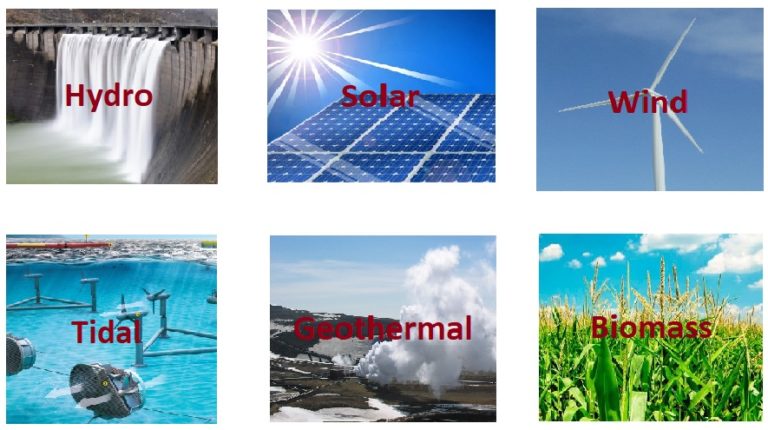
A recovery driven by renewables will help tackle the challenge of the climate crisis and at the same time help communities rebuild their lives and livelihoods in the face of the COVID-19 pandemic. Furthermore, a recovery that is driven by renewable energy sources will contribute to more equitable and inclusive communities by improving access to reliable, clean and affordable energy.

“In Kenya’s recovery budget, it is important that the Cabinet Secretary of Energy and Petroleum reallocates the funds meant for coal exploration and mining to renewable energy investments that will improve the lives and livelihoods of communities affected by the Climate crisis and COVID 19 pandemic.” Amos Wemanya emphasized.

The COVID 19 pandemic has caused loss of incomes to both men and women. but nations around the world have betrayed their promises to build back better and greener, as shown in a recent study by the UN Environment Programme and the University of Oxford. The government must show concern in its budgetary allocations to reflect the new realities faced by the Kenyan public.


Police seize elephant tusks worth Ksh. 10 million in Muranga

0

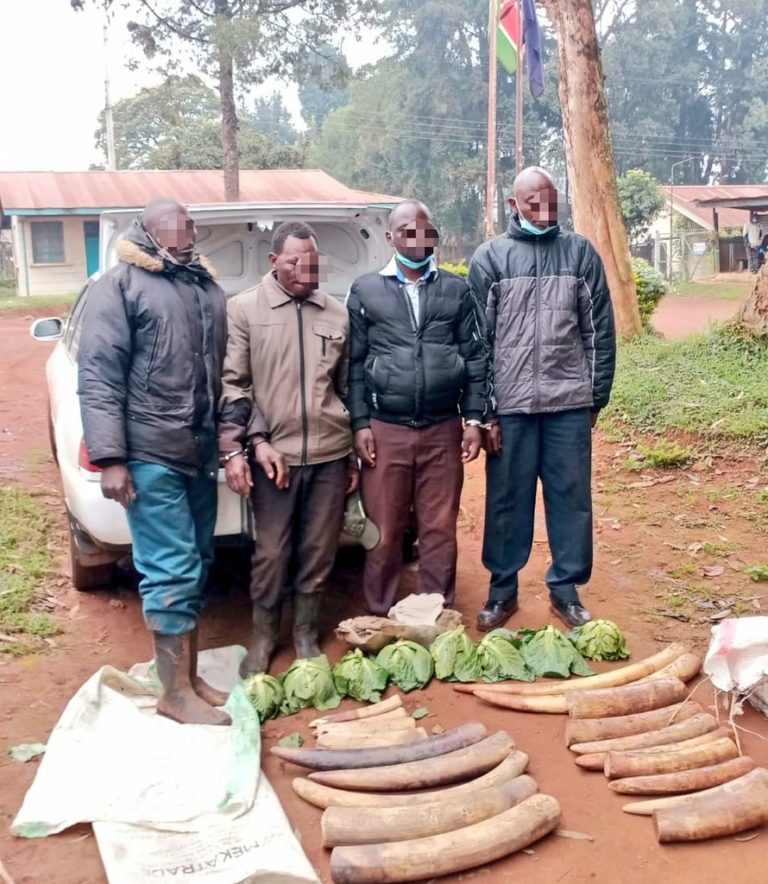
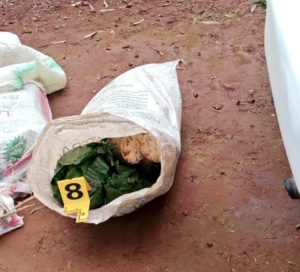
The fight against elephant poaching got another boost yesterday after police managed to recover 100 kg of elephant tusks valued over Ksh. 10million.

According to a tweet by the Directorate of Criminal Investigations (DCI), the tusks were seized on Tuesday in the afternoon in Murang’a County’s Kangari town, where four players in the illegal trade were also arrested.

The four; Martin Mungai Nginya, 58, Peter Macharia Njuguna, 32, Edward Mwambura Kamau, 55 and 43-yr-old Samuel Njuguna Mwirigi were found in possession of 19 pieces of the jumbo tusks were arrested by a multi-agency team christened ‘Interpol Usalama 7’ which has been pursuing the notorious syndicate ambushed the suspects in two separate motor vehicles parked…strategically ready for transaction, a KBT 660T Toyota Allion and KAP 374V Toyota 100.

“The Special Service Unit-led team confiscated the forbidden cargo stashed in the Toyota 100 boot in two sacks disguised as bags of cabbages. The suspects have since been placed in custody undergoing investigative interviewing, with detectives seeking to effect more arrests on possible poachers and the targeted market for the products.”

The arrest has elicited various reactions with some tweeter users happy that they had been arrested while others, mainly due to ignorance of the crime and its effects or just pushed by hard economic times felt that the four should be allowed to ’hustle’

“Good job for arresting them. But the biggest encouragement done to this type of criminal activity is attaching value. When the value (10Mn) is attached, it encourages even more of those poachers to try their luck,” said Justin Wachira

“Sad! Those guys look so local. They must have poached in the aberdare forest which is less than 40km from kangari. They couldn’t be doing cross border trade. I feel sad for the elephants killed. May that evidence be sufficient to convict them. Crime doesn’t pay!” said Engineer Geofrey Kim

“Wachaneni na watu wahustle…you have more important issues to attend to… (let people hustle you have more important issues to attend to)” said Juliet Kirika

When called out by other users she said: “Corruption and unemplyment is leading to all this mess. Let the government fix this then the wanjikus can have fit survival tactics.”

The human –wildlife conflict also played out with one Stanley saying; “In Laikipia elephant’s are killing innocent people but they are not arrested its so sad let the people hustle.”

Bomet County has unveiled a State-of-the-Art Film and Music hub for content creation

1

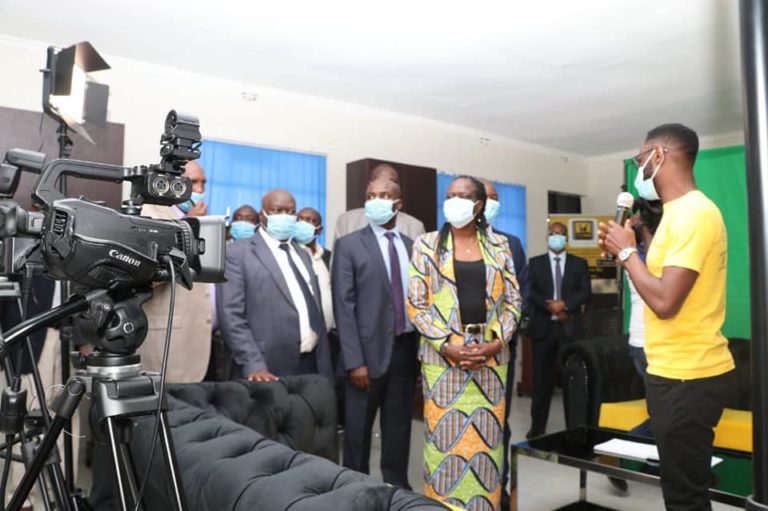
Bomet County has unveiled a State-of-the-Art Film and Music hub that will give the youth an opportunity to showcase their creative works locally and globally.

The facility has been established through a partnership agreement that was signed between the Kenya Film Commission and the County Government of Bomet in 2nd September 2020.

Speaking during the launch, Bomet Governor Dr. Hillary Barchok challenged the youth and any talented persons to create as much content and present artistic ideas as they can, to be nurtured, developed, and marketed adding that the artists can also earn a living from it.

“Besides telling our story, you can also earn a living from it. The local entertainment industry is lucrative, as it has generated over 300 billion Kenya Shillings in revenue, creating direct and indirect employment to more than 100,000 people.” Dr. Barchok said.

The Governor said that his administration had fulfilled the pre-election pledge to “develop arts/cultural theatres in every sub-county with a major performing arts theatre and recording studio in Bomet town as well as to set up community-based libraries with ICT centers in every sub-county with a major facility Bomet town.”

He added that he will work with the County Assembly to integrate Cinema into the County strategic plans and align it with the National development plans such as the Kenya Vision 2030 in a bid to contribute towards the Country’s economy.

The Bomet Film Hub is now equipped with video editing hardware and software, sound studio hardware and software, filming equipment and e-research material, among others.

The event was graced by the Permanent Secretary, State Department for Broadcasting and Telecommunication, Ministry of ICT, Esther Koimet and KFC CEO Timothy Owase.

PS Koimett said that “Film is indeed big business with significant contribution to Kenya’s economy. World over, Governments are incorporating film industry as part of their economic recovery strategy post-COVID19 pandemic.

She added that the Ministry was committed to grow the sustainability of the film industry through strengthening existing institutional frameworks and increasing number and quality of film productions in Kenya through the active involvement of film industry stakeholders.

KFC CEO Mr. Timothy Owase noted that “Bomet County is at the forefront and is setting the pace within the region in establishing the film industry as a potential employer and a main contributor to Kenya’s economic growth. As the Government agency mandated to develop the film industry in the country, our partnership with Bomet County is a step in the right direction as we work towards ensuring that the creative community at the grass-root level has state-of-the-art equipment and software that can enable them compete favorably.”

He added that the creatives within this region are now empowered to tell their stories. He reiterated the Commission’s assurance that it will remain committed to devolving filmmaking activities and expanding the opportunities for Kenyan filmmakers.

Also present were the Deputy Governor Hon Shadrack Rotich, the Speaker Hon Nelson Mutai, CECM Social Services, Gender, Culture, Youth and Sports Alice Kirui, Chief Officer Jayne Sigilai among other officials, students, artists and members of the public.