Friday, December 19, 2025
Home Blog Page 14

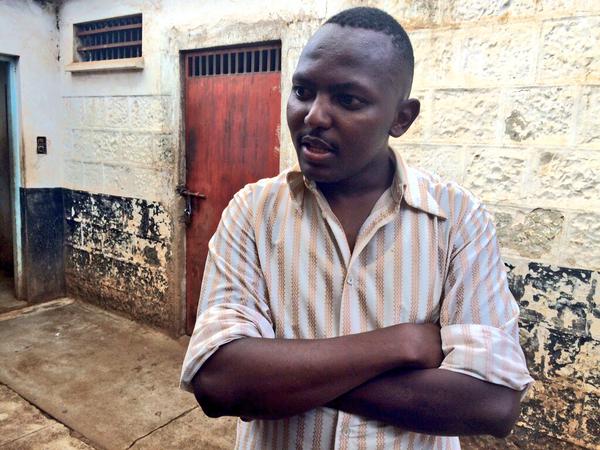
Police release KBC Journalist Judith Akolo’s phone

The Directorate of Criminal Investigations (DCI) has today released the phone belonging to Kenya Broadcasting Corporation (KBC) journalist Judith Akolo. DCI retained the phone early in the week after questioning her for retweeting.

KBC Journalist Judith Akolo questioned for retweeting

The online journalist went to DCI offices today morning accompanied by lawyer Soyinka Lempaa. On realizing that she was accompanied by the lawyer, the officers brought her the phone, asked her to check whether it was in good condition and signed it back to her.

They did not interrogate her further in any way. They also did not indicate whether there would be any further probe on the matter.

Judith said that she was happy the case is now behind her.

Patrick Safari ‘Modern Corps’ freed from annoying tweet charge

Patrick Safari (@moderncorps) who was arrested, held and charged for sending a false tweet involving Bothai police vehicle has been freed of the charge after the case was withdrawn. The complainant is Chrispus Mutali, a senior superintendent of police and coordinating commander in Lamu County. He had said that the tweet was untrue.

Patrick Safari aka ‘Modern Corps’ arrested and charged for ‘annoying tweet’

He was accused to have sent the alert on his Twitter account on July 8th, 2015 that the Bothai police vehicle was heading to Hindi, Lamu County with 6 officers when they were hit by a landmine. Five police officers were rescued but one was missing.

He however denied the charge.

Safari was  released after paying sh100,000 bond with surety of a similar amount.

He is happy with this move and affirmed that he will continue updating security updates as they are crucial for the country. He added that many police officers across the country trust him with the information they give him and he does not intend to betray the trust nor look away as Kenyans keep suffering from the poor state of the security situation in the country.

His constant updates had earlier made him moved from Nairobi to Samburu, but this has not to affected his security alerts both on his Facebook and Twitter accounts.

Why Senate should not be scrapped

By George Githinji

The functions of the Senate are largely related to the Counties and laws that touch on the Counties. Still, despite the Senate having a lesser legislative portfolio than the National Assembly, it has a crucial role to play in the sphere of politics and governance and the calls for it to be scrapped are mere dog barks that should not be taken seriously.

The Senate derives its legislative authority from the people of the Republic of Kenya. It also manifests the diversity of the nation, represents the will of the people and exercises their sovereignty. It should protect the Constitution and promote the democratic governance of the Republic (Article 94).

Article 96 of the constitution stipulates the functions of the Senate. These functions are concerned with considering, debating and approving bills concerning Counties, and determining the allocation of national revenue among Counties and exercising oversight authority over the national revenue allocated to the County Governments. It also exercises oversight over State Officers by considering and determining any resolution to remove the President or the Deputy President from office. In essence, the Senate plays a collective role of representing Counties; it should serve to protect the interests of the Counties and their governments.

Therefore, while the National Assembly predominantly deals with protecting the interests of the national government, the Senate is the sole protector of the county interests. The people, businesses and investments, institutions and other interests that are under the jurisdiction of the Counties and the County Governments, thus, need the Senate to ensure that their collective interests are protected. What is needed is therefore to strengthen and create capacity for the Senate in order to perform its functions effectively and efficiently.

The most important function that the Senate performs involves revenue sharing. It has been able to confront the National Assembly to ensure that counties are not shortchanged in the amount of revenue they receive from the National Government. In doing so, the amount of revenue allocated to the Counties has continued to rise with each financial year.

In addition, using the revenue sharing formula created by the Commission on Revenue Allocation (CRA), the Senate has played a crucial role in determining the amount of money each County gets from the equitable share of revenue (the amount that the Counties receive from the National Government after the revenue raised nationally by the National Government is divided between them).

When the equitable share is spent by the Counties, the Senate has to ensure that it is spent prudently. Therefore, it has to keep the County Government accountable to enhance transparency and fiscal discipline. It has been doing so by adopting reports on county expenditure from the Controller of Budget and audit reports from the Auditor General. As a result, it has been issuing summons to County Executive Members and other accounting officials to explain discrepancies in revenue expenditure. In doing so, the Senate acts as a quasi-judicial body with this authority being derived from the Constitution (Article 125).

Nevertheless, these directives by the Senate have brought turf wars between them and the county governors. The governors even went to court to challenge the authority of the Senate to issue summons to them. Nonetheless, the High Court ruled that the Senate has the authority to summon Governors to answer questions or to give evidence regarding their expenditure of the national revenue allocated to their Counties (Article 96 (3)).

Even so, the Court cautioned the Senate against issuing these orders arbitrary or capriciously and advised that the summons should only be issued after all other means have been exhausted. This includes seeking oversight from county assemblies, or summoning junior officers with governors being the last resort when the Senate feels like the issues raised can only be clarified by them.

Feeling discontented, the Governors appealed the decision but it was overturned. Several Governors summoned by the Senate in the past have often refused to honour these summons citing their ‘superiority’. In fact, just recently, an arrest warrant was issued against Kakamega Governor Wycliffe Oparanya for failure to honour summons by the Senate’s Public Accounts Committee.

While the Senate has the authority to play oversight over the national revenue allocated to Counties (the equitable share), it cannot do so for the other sources of revenue for the Counties.

Among the laws that the Senate has formulated concerning Counties include the County Allocation of Revenue Bills for 2013, 2014 and 2015 which became Acts of Parliament following Presidential Assent. These annual Bills determine how the equitable share is divided among the Counties using the CRA revenue sharing formula (that is, the amount of money each county gets from the national pot). The others are the Division of Revenue Bills for 2013, 2014 and 2015 jointly with the National Assembly (Article 217) which determine the revenue sharing between the two governments.

Most of the other Bills concerning Counties sponsored by various (nominated) Senators are still pending with majority being between the first and the third reading and others pending at the National Assembly. Some of these include the National Flag Emblems and Names Amendment Bill (2013), Kenya Medical Supplies Authority (Amendment) Bill (2013), and the Community Land Bill, 2013. The controversial Reproductive Healthcare Bill 2014 is also sponsored by Nominated Senator Judith Sijeny.

In determining the impeachment of the President and his Deputy, the Senate is guided by Article 145 of the Constitution and Standing Order No. 66 and 67 of the Senate. In addition, it determines the removal of Governors from office as part of its oversight role in accordance with Article 181 of the Constitution, Section 33 of the County Governments Act and Standing Order No. 68 of the Senate.

Consequently, the Senate is a very important legislative body. Doing away with it will leave the counties at their deathbed, and it will be a big rollback to the gains made by the advent of devolved governance.


The Writer comments on socio-political issues in Kenya – blogs at Politics Kenya

KBC Journalist Judith Akolo questioned for retweeting

Kenya Broadcasting Corporation (KBC) journalist Judith Akolo was yesterday questioned by the Directorate of Criminal Investigations (DCI) for retweeting a comment. Judith is currently stationed at the online desk and a look at a Twitter profile indicates she is very active, commenting on various topical issues around the world.

On 31st December, 2015, she retweeted a post from Patrick Safari (@moderncorps) about a DCI advertisement of jobs within them which was made public on deadline day, 31st of December 2015.

The advertisement titled “Talent spotting of officers from KPS and APS to join DCI’ was meant to inform Kenya Police Service (KPS) and Administration Police Service (APS) officers interested in joining them to apply.

DCI


Judith who works in the 10.00am to 6.00pm shift was asked to go to the office early for an emergency. She was then taken to DCI officers, accompanied by one security officer from the office and questioned from 2.00pm to 5.00pm.

In the questioning, she was asked to clarify why she retweeted the post. For the entire three hour interrogation, questions were all about the retweet, repeating the same questions to check inconsistencies.

Her phone was then confiscated from her. She was asked to switch it off and give it to them with the PIN number.

Checking through her timeline, the retweet is not there, indicating that it was deleted by the officers.

She is supposed to go back to DCI offices on Kiambu road tomorrow afternoon to know her fate.

Robert Alai freed on Sh100,000 bond

Blogger Robert Alai has denied any wrongdoing against Ethics and Anti-Corruption Commission (EACC) Director Halakhe Waqo and released on a Sh100,000 bond. Waqo took issue with Alai’s comments on social media questioning his academic qualifications.

Robert Alai to be charged with improper use of licensed telecommunication systems

Alai pleaded not guilty when he appeared before Milimani Chief Magistrate Daniel Ogembo today, Tuesday 5th Janaury 2016.

He was charged with with improper use of licensed telecommunication equipment, a crime under Section 29 of the Kenya Information and Communication (KICA) Act 2011

The case will be heard on March 16, 2016.

Personifying the environmental tragedy of Nairobi’s garbage

By Alex Njeru

I met the young man at Kenyatta National Hospital ward, where my dad was convalescing from an operation. Years and years of smoking tobacco cigarettes had done things to my dad’s body and this time round arteries in his lower limbs had constricted and reneged on their function to supply enough blood to his right leg muscles. This gave him a limp, pain and numbness, “intermittent claudication”, the doctors had diagnosed.

In the same ward, there was another old man from Nyeri. He had undergone an operation due to a growth in his lungs, he too had been a tobacco smoker since the colonial days, his daughters around him wondering aloud why he had not made the right choices in his youth.

There was a shop-keeper who wore a pressure sock because of bulging varicose veins, a rare condition in men and a middle aged man by the name Kitonga who had had his throat slit opened by thugs in Embu but miraculously survived. He however developed an infection in his trachea which meant that he fed only on liquid foods through a tube in his throat, he hardly spoke to, his speech was muffled off by the plastic socket in his throat.

But somehow, amongst all this infirm adult men, some suffering from lifestyle inflicted conditions, some not, the story that had to be told was of this young man. A lanky, copper colored young fellow, who never left his bedside because he was tethered to the wall by a transparent catheter in which his rich-red blood run. In the evenings, during the hospital visiting hours, family relatives visited their seek kin in hospital.

This time was dedicated to discussing medical bills and how people would meet them. His family, which consisted of a group of women relatives of the young man who wore long dresses and religious headgear would come and turn this small ward into a worship center. They would sing songs of praise and worship and lead everyone into prayers to banish the evils infirmity.

His name was Boni, short for Boniface. Before his illness, he had been a budding welder in a Dandora, a semi-informal settlement of Nairobi that suffered from the infamous ignominy of bordering the largest solid waste dumpsite in Kenya. An expansive wasted land which receives more than 2000 tons of solid waste a day.

The thing about being a welder in Dandora was that he could not escape the pungent and putrid smell emanating from dumpsite, especially being that it is that most of the waste is openly combusted by human scavengers in such of recyclables and other materials.

As it turned out, the pungent smells of the dumpsite were not innocuous to health. Many years of breathing Cadmium, Lead, and arsenic infested air many times beyond the recommended parts per million, exposes one to health challenges ranging from respiratory to gastrointestinal infections. That was the tragedy that befell Boniface.

He started suffering from a fungal lung infection that was probably caused by too much exposure to airborne environmental pollutants, which incapacitated him and left in and out of hospital. Though infirm, his face had radiant hope, it was palpable that he was one among whose shoulders this nation’s hope rested.

A week after my dad left the hospital, he received a text message from Kitonga that Boni had passed on. I wrestled with the fact that a young man upon whom his nation’s hopes rested was no more. Why did a connivance of environmental factors kill him? I would often ask myself. He died like a favourite character of mine by the name, Munoo in Mulk Raj Anand’s book Coolie, whose life’s zest was killed by nothing else but poverty, race and caste.

Sad as it is, Boniface is not the only one upon whom this tragedy befell, he was merely the personification of it. His death, the suffering of the poor embodied. A tragedy of the socially wretched, who could not afford to run-way from an early death.

The problem though is much more pronounced, with a geographic distribution, but ultimately the public health burden of the big environmental conundrum is borne by the poor.  In Nairobi the urban poor live in a debilitating poverty, wretched by poverty and wretched by the urban sprawl. A situation so dire that their very existence is tragic and for what?

The World Health Organization (WHO) estimates that 3.3 million people die annually due to environmental related respiratory infections, but speaking about figures in their abstract sense is unhelpful. Could Boniface and a million others of his kind who shoulder the brunt of environmental pollution get justice? Who was culpable for his death? Are the City authorities culpable?

Whereas the Kenyan National Environmental and Coordination Act (NEMA) makes fleeting mention of restitution due to environmental crimes and offenses, very few in evidence has gone to show that victims have taken this up. It seems the victims have been too poor to take notice. Besides, what to do if the culprit is the state itself? Do the poor have the mettle against the powerful state?

The poor do have the moral claim for environmental justice, but they simply do not have the spirit to demand, this situation presents an opportunity, for all of us, we who know and can seek the truth, by making their lives better we can make ours to.

Boniface had the culprit of his death socialized, every waste producer in Nairobi had killed him, and in that sense a quest of justice, a restitution of sorts was impossible. He is gone, but so many will follow suit sooner rather than latter, or until the whole lot of us all responsible come up with mitigating measures of ensuring that those responsible for pollution of any sort reimburse mankind for the luxuries of life lost.


Residents, conservation alliance oppose SGR routings through Nairobi National Park, Ngong Forest

The proposed routing of the new railway through Nairobi has been opposed by a section of Nairobi residents associations and the Conservation Alliance of Kenya.

The two groups object to the proposed routings of new railway through Nairobi and propose an alternative.

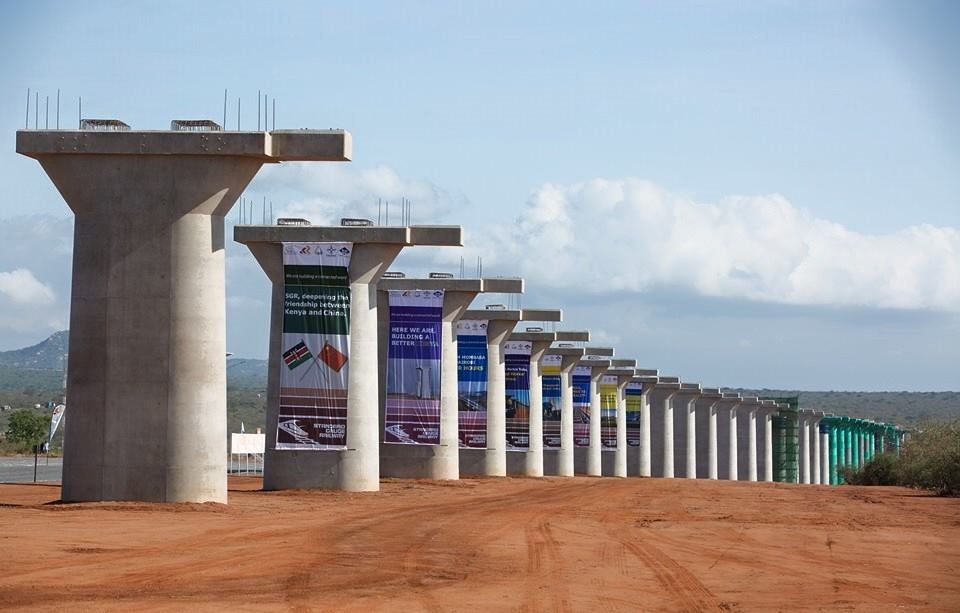
The biggest concern is the routing of the Standard Guage Railway (SGR) through the Nairobi National Park which the two groups feel will affect the park and cause unacceptable social impact by displacing thousands of people from their homes, including ancestral homes, cause loss of open spaces, affect air quality, increase pollution, affect health negatively and reduce recreational space.

The groups say that the routing will also cause irreparable ecological damage through habitat degradation especially loss of rare indigenous forests and wildlife, and reduce the rich biological diversity of the city.

“This contravenes the rights of citizens provided for under the Constitution of Kenya,” the groups say.

The groups also argue that there will be immeasurable economic loss in tourism, jobs and reduction of future options for livelihoods and economic growth.

“As our beloved country embarks on ambitious infrastructure development projects, there is an urgent need to recognize and protect the non-monetary values of our natural resources. As we develop, we must not fail to secure what is protected by law.”

The groups adds

“While we appreciate that Kenya needs the SGR, the proposed route through Nairobi is unnecessarily disruptive and costly. Looping through Nairobi National Park, the Ngong Road Forest, and residential areas does not add any economic value to the railway or Kenya. We propose a route that will balance social, environmental and economic benefits. This would be from Athi River directly south to the Rift Valley town of Maai Mahiu thereby, bypassing the city of Nairobi. This will preserve Nairobi’s valuable protected areas, whilst having less impact yet serving the purposes of the SGR and the greater metropolitan Nairobi area of tomorrow.”

The statement says that Nairobi is one of the world’s greatest capital cities boasting an oasis of nature and has the world’s greatest diversity of birds in any capital city, and indeed many countries. This ecological wealth should not be taken for granted. The park and forests serve as the “lungs” of the capital, replenishing atmospheric oxygen and soaking up pollutants, giving us clean water, and supporting crop pollinators which in turn have immeasurable health benefits and bolster food security. The park also plays a priceless role in nurturing the spiritual well being of Nairobi’s four million citizens, as well as the biodiversity and cultural heritage it preserves.

An elevated section of the railway line to give room to wildlife. The groups want the route through Nairobi National Park changed. [Photo: nairobiwire.com]
The benefits of Nairobi’s National Park and her forests are increasingly important as Nairobi enters a dramatic new phase of economic growth and urban expansion under Kenya’s Vision 2030.

The groups say that the SGR project is setting a dangerous precedent and developments for the future cannot be driven by short term vision. They argue that the park and forests of Nairobi were set aside long before independence to preserve the spectacular ecological values for the people of Kenya and for posterity, by our predecessors. These commitments have been honoured by our founders and past presidents.

The statement quotes founding father Mzee Jomo Kenyatta, the first president of the Republic of Kenya, as displayed at the entrance of Nairobi National Park.

“The natural resources of this country – its wildlife which offers such an attraction to visitors from all over the world. The beautiful places in which these animals live, the mighty forests which guard the water catchment areas so vital to the survival of man and beast – are a priceless heritage for the future. The government of Kenya, fully realizing the value of its natural resources pledges itself to conserve them for posterity with all the means at its disposal.”

With this, the groups are questioning whether the government of today, has explored all options with all the means at its disposal.

In the same vein as the founding President, President Uhuru Kenyatta at the just concluded climate change summit in Paris, reiterated his commitment to achieving and maintaining tree cover of at least 10percent of the country’s total land area, and announced that we currently stand at only 7.2 percent. The proposed route into Nairobi National Park cuts through the only forest in the Park and Ngong Road Forests. This will set Kenya back against this goal.

President Uhuru Kenyatta during the launch of the SGR Project. He has been asked to consider re-routing the railway line. [Photo: kenyanews247.com]
The residents association of Nairobi, and the Conservation Alliance of Kenya thus demand that Kenya Railways consider alternative routes for SGR that minimize impacts on Nairobi’s protected areas and negative social and economic impacts.

Mango farming changing fortunes for Makueni farmers

By Malachi Motano

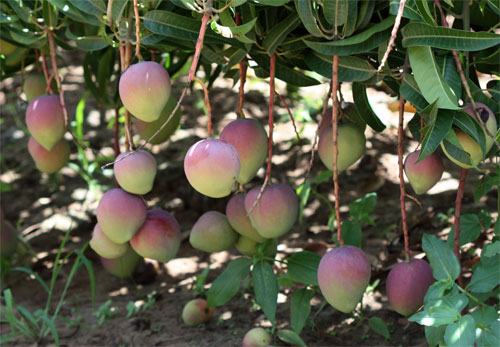
Farmers in Makueni are adopting modern mango farming in agribusiness, a new venture that is shaping livelihoods for most families in the county.

The county has for the last few years reported massive planting of new mango trees attracting attention of agriculturists in the county.

According to baseline survey of mango trees census report carried out in Eastern Province by Institution Development and Management, income from mango farming was dictating significantly a 40 percent of farm household income in lower eastern region of eastern province.

The finding reported entry of a young generation into mango farming agribusiness out their conscious realization of the economic benefits from the farm enterprise, which the survey says were behind massive planting of modern grafted mangoes in recent past years in the region.

A group of farmers on a farm. Mango farming is changing their fortunes. [Photo: Malachi Motano]

“Out of 2,761,929 mango trees in Eastern province, 91 percent of the mango trees have been planted in the last seven years, by the current generation of farmers, who have easily adopted initiatives to improve mango farming,’’ the survey reveals.

Makueni County with a total of 1,469,625 mango trees from its 28,696 farmers, led in 2010 mango production in the Eastern province, generating Sh1.267,974. Machakos county follows with Sh300,268 from 506,544 mango trees scattered to its 17,676 farmers.

It is notable from the survey that mango farming enterprise in terms of generating household income has an annual gross domestic product value estimated at sh2.442 billion at farm level. The agriculturists put the mango sub sector in Eastern at 12 percent annually.

Statistics from the Ministry of Agriculture has it that mango is third most important fruit in the country in terms of production after bananas and pineapples.

The survey revealed that although mango cultivation is taking commercial dimension, it is cultivated in small scale with two third of farmers holding 20 mango trees or less.

The mango survey in the 42 mango growing districts points out that the eastern province has slightly 92,650 farmers with those practicing commercial mango cultivation and holding above 50 mango trees are only 13 percent.

However, the survey reports a changing trend in recent years that there has been expansion in mango cultivation especially in eastern province.

Small scale farming earns Bungoma farmer financial independence

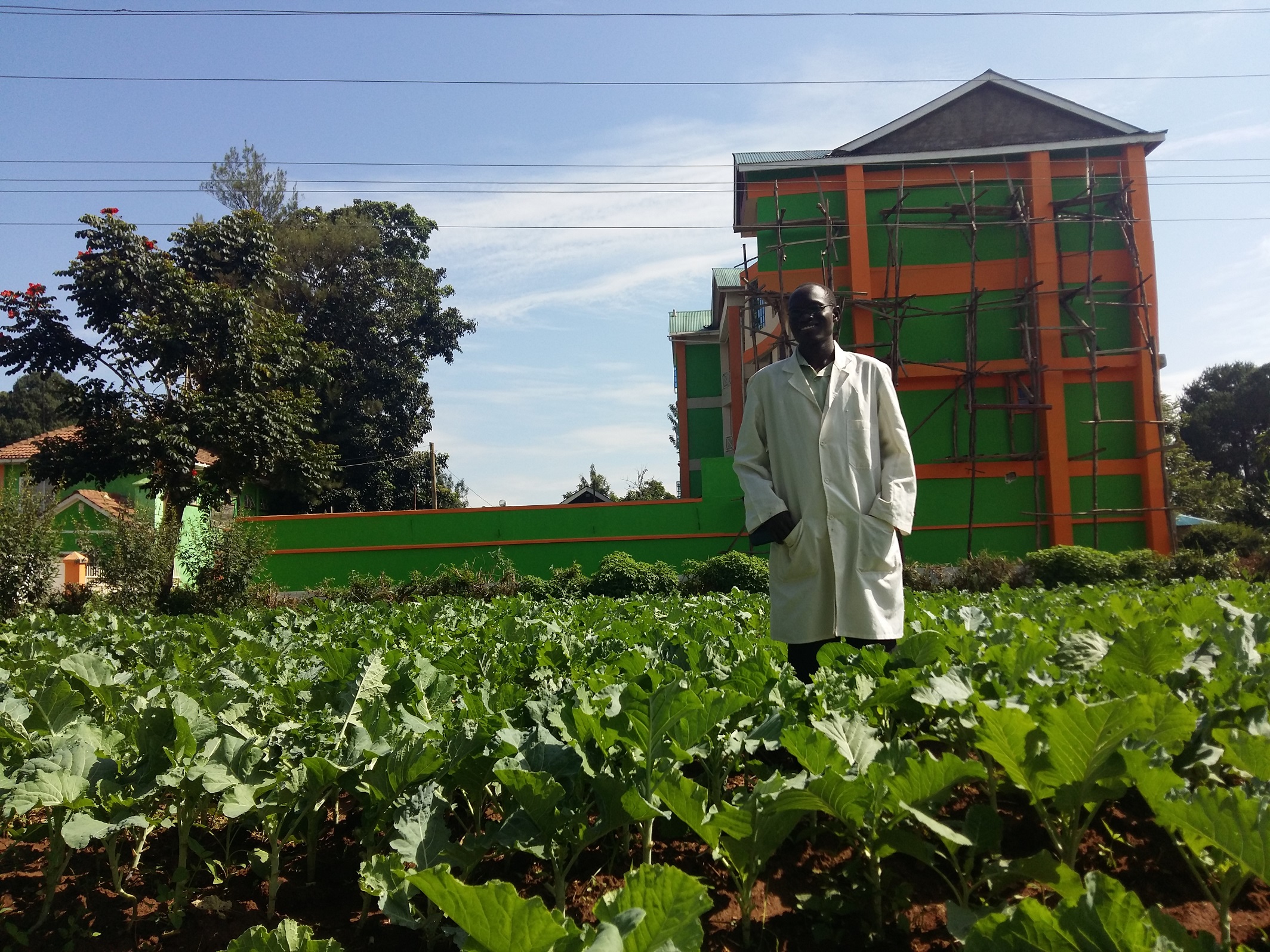
Michael Musombi, has a big reason to smile owing to the financial benefits he has accrued from his 50 x 100ft sukumawiki farm his family owns.

The resident of Kanduyi Constituency in Bungoma County ventured into farming after completing his degree course in Environmental Horticulture and Landscaping Technology at Jomo Kenyatta University of Agriculture and Technology.

The 25-year-old decided to venture into horticulture with just 100 sukumawiki seedlings.

The farm which also has banana plants, spinach and avocado trees gives him a minimum of Sh300,000 annually which if broken down translates to Sh25,000 per month. That, for what he calls his part-time job, is a well-paying venture any young entrepreneur can dream of.

A glance at his green, well-tended farm just by the roadside leaves many envious of such a beautiful garden. He believes that farming is the way to go for young entrepreneurs because there is always a ready market for farm products.

The sukumawiki farm. Musombi makes his living from this 50X100ft plot. [Photo: Njenga Hakeenah]

“Horticulture farming is the best one can ever venture in because there is always a ready market somewhere. Human beings must eat to have energy to carry out their daily activities, and many people feed on vegetables, especially rural settings such as here,” says Musombi.

Musembi, currently a monitoring officer at One Acre fund project in Bumula, Bungoma County encourages the youth to engage in mushroom, poultry and beehive farming among others because those are less exploited areas especially in Bungoma County.

“There is high demand of mushrooms, chicken and honey right now and I would like to encourage anyone who intends to do farming to venture in those areas of farming. You will surely not regret it,” assures Musombi.

The eldest son in a family of three identified a gap in the market for sukumawiki supply in Bungoma and started farming at their backyard and now is an employer of six labourers who help him manage the farm.

“I have employed six people who help me manage this farm. It is impossible to maintain it alone because it is huge and also I work with One Acre Fund project here in Bungoma so I must have people who can assist me in tending the vegetables,” added Musombi.

He uses organic fertilizers such as compost manure because they act as soil conditioners – they feed both the plant and the soil with nutrients.

Musembi says that he saves 40 percent of his income, ploughs back 30 percent of his profits back to the business and uses 30 percent of his income to meet his family’s needs.

A delighted Musombi reveals that three years down the line since he started farming he has bought 3 pieces of land measuring 50 by 100 feet each in Bungoma. He has also managed to educate his two siblings through their secondary school education thanks to the income from the farm.

The main challenge, that the successful horticulture farmer faces is the resistance of pathogens and pests to some of synthetic chemicals that he uses to treat his vegetables. He is however optimistic that agricultural researchers will soon come up with effective drugs to counter the stubborn pests and pathogens.

“Sometimes I experience losses because of resistant pests and pathogens to the farm chemicals I use. I am however certain that agricultural researchers will soon come up with effective drugs to counter the tenacious pests and pathogens,” Musombi says.

Wangari Maathai’s legacy lives on through Bungoma environmentalist

His passion for environmental conservation led him to delve into a tree nursery project, which five years later has attracted several organizations.

This is to further sensitize other youths to engage in activities that safeguard the environment.

Peter Wafula Weboya from Sikata, Bungoma County narrates how he started engaging the youth at Mechimeru sub location on several ways on how they can make a living from farming and conserve the environment through tree planting. Using his basic knowledge of agriculture, the 51-year-old came up with measures that could save his community from persistent dry spells and drying of natural springs that provided water for thousands of Mechimeru residents.

He walked from home to home, door to door steering tree planting campaign at Mechimeru, urging people to embrace reforestation, with the hope that his community will be free from soil erosion and lack of water if they heed to his considered views.

“I used to visit homesteads urging people to plant more trees because some used to cut trees without replacing them,” Weboya recalls.

After about two weeks, the industrious farmer got a flock of 75 youth, who were willing to join the journey to see the people of Mechimeru live in an environment free from environmental degradation.

The youth were committed to the training that Weboya offered – business farming and tree nursery management and started a tree nursery project, comprising five species of indigenous and exotic tree seedlings. Weboya says the project has since matured and the youth are continuing to reap from their sweat and the environment too is well conserved.

“I am very happy that they worked hard on the tree nursery project. They have sold almost 2.5 million seedlings since they started the project back in the year 2010, and they are very grateful that I engaged them in environmental conservation projects” Weboya says, with a broad smile.

Initiated his own project

Having nurtured a group that would help him in his journey towards safeguarding the environment, he initiated a tree nursery project in his homestead at Sikata in the year 2010.

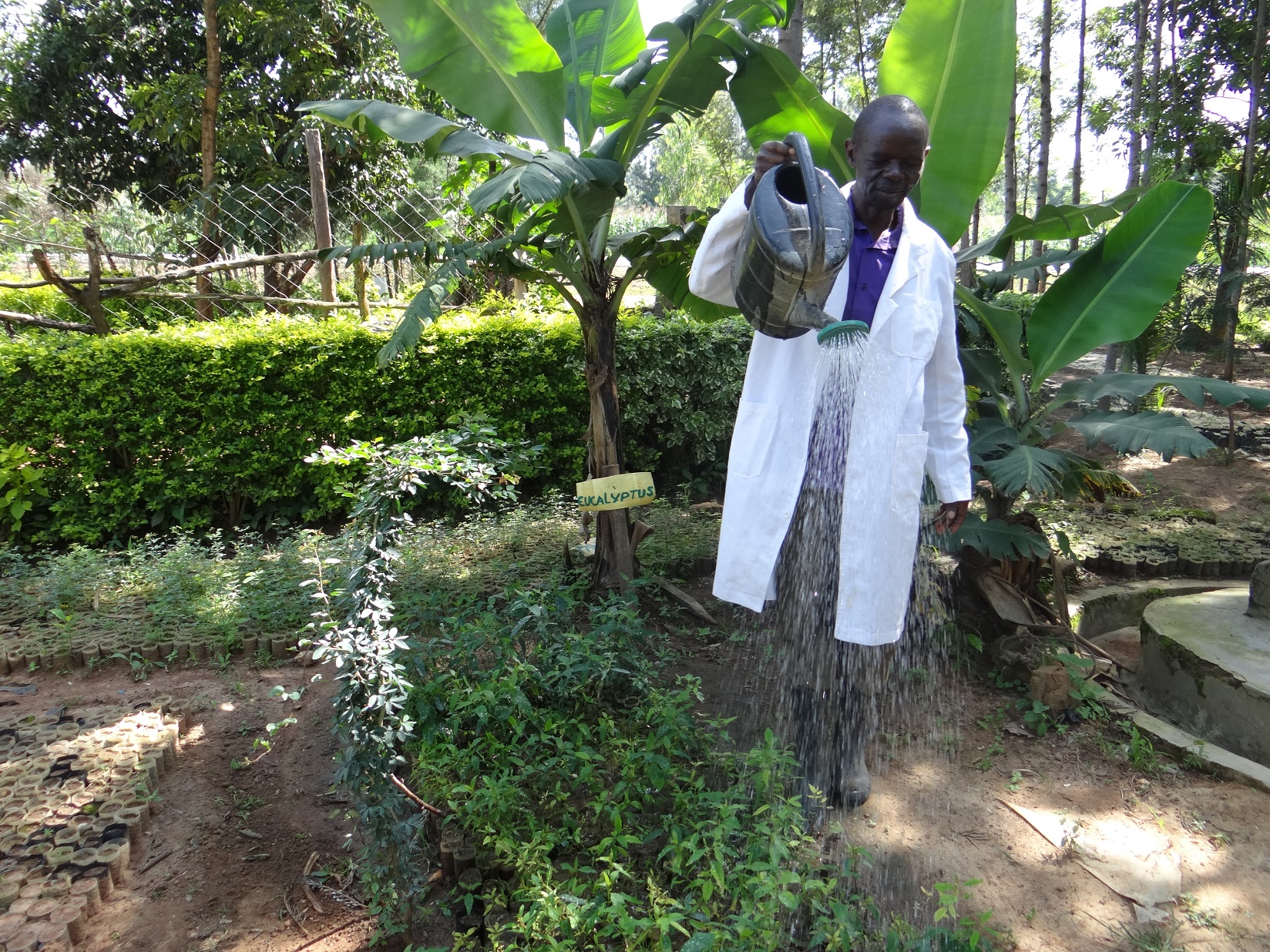
Weboya says he got his family involved in the project and highlighted to them the economic benefits that would come with dedication to the project. His wife and eldest son Andrew Wafula embraced his ideas and they started off with 50 tree seedlings – among them eucalyptus, grevillea, Cyprus and medicinal tree seedlings such as aloe vera and neem tree (Muarubaini).

Some of the seedlings Weboya grows among them eucalyptus, grevillea, cypress and medicinal tree seedlings such as aloe vera and neem tree (Muarubaini). [Photo: Njenga Hakeenah]
At the same time, he continues sensitizing his community members to avoid felling trees without planting more as it would lead to soil erosion and drying of water springs.

“After I convinced my family to engage in tree nursery project I continued to appeal to the community to embrace similar projects so that we can save ourselves from disasters related to deforestation,” recalls Weboya.

Five years later, he says he has sold over two million tree seedlings. This has enabled him to roof his house, have electricity in his homestead and educate his children. Wafula, his eldest son is now a graduate from Kisii University, with a degree in business administration. Wafula now helps his father to tend the tree nursery and is grateful to his father for having started the project.

“I feel very happy now because it is because of this project that I got my university education. Even as I am looking for a white collar job, I have to help my father to maintain this tree nursery to see it grow even bigger,” says Wafula.

Weboya reveals that he obtains a minimum of Sh150,000 annually from the sale of tree seedlings. He however admits that he faces the challenge of marketing his produce to potential customers.

Organizations’ Support

Weboya says he has received a lot of support from the government through the Ministry of Agriculture and Kenya Forest Service. The ministry has organized farmers’ training in Bungoma County which he says have benefited him and other farmers in the county to improve on their farming methods to come up with more, high quality yields.

“The Ministry of Agriculture has really supported us through trainings and seminars. I have learnt a lot more about environmental conservation from the trainings. I would like to urge the government to continue offering support to farmers in the country,” a delighted Weboya says.

He has also received financial support and training from International Centre of Insect Physiology and Ecology (ICIPE) on how to manage pests, pathogens in his farm to always produce high quality seedlings.

Food and Agricultural Organization (FAO) donated a car to Weboya, to help him ferry tree seedlings to the market and to individual buyers. In addition to that, ICIPE donated a laptop and a camera to him; to enable him research online on better farming methods and digitize his farm records. The organization also donates seedlings to him – both exotic and indigenous.

Western Kenya Community Driven Development & Flood Mitigation Project (WKCDD/FMP) – a Government of Kenya and World Bank initiative that empowers local communities to engage in sustainable income generating activities through training and funding in Western parts of Kenya – have also supported his project through funding and training.

Future plans

“I am optimistic that I will gather enough funds before the end of this year to expand my piece of land where I can even host 1 million seedlings. Currently, I have 50,000 seedlings but I believe I can do more if I get land,” says Weboya.

He also says that he must adopt modern farming techniques such as the use of sprinklers to water his seedlings.

Weboya urges the youth to change their mindset about farming and to avoid engaging in activities such as robbery because they only endanger their lives and do not better the society.

He also urges the government to invest more in the agriculture sector and to train more people on environmental conservation and business farming to grow the country’s economy.

Prophet Owuor, Ruth Odinga keep Kisumu in the social media spotlight

Kisumu has been the centre of attention these past few days thanks to Prophet Dr. David Owuor who is in the town for a revival crusade.

It has been one week of good business for hoteliers as most of them are said to be fully booked for the Repentance and Holiness Ministry faithful who have flocked the lakeside city.

Plans for the meeting have been ongoing for a long time and security has been beefed for the believers who have converged at Kibos Grounds for the miracle meeting.

In the usual tradition of the faithful, streets were washed clean before the ‘mighty man’ landed to minister to all who would be at the meeting.

Twitter has been abuzz with these happenings and there have been mixed reactions and sentiments regarding the Dr. Owuor.

Others feel that the prophet’s larger than life persona is questionable:

And then there were news like this:

And well, who does that…? Then,

Even County Governor John Ranguma was there which means this must have been good for business.

And then, Deputy Governor Ruth Odinga was a subject of discussion following her hospitalization after she broke her leg. She was quoted by The Standard newspaper as saying that the hospital she went to in the UK respected her political stand after she requested to have her cast in her party’s colour-orange.

Some wondered:

Well, it is the last day of 2015 and who knows what the New Year will bring?

Polio survivor abandoned by parents beats odds to become Senator

By Malachi Motano

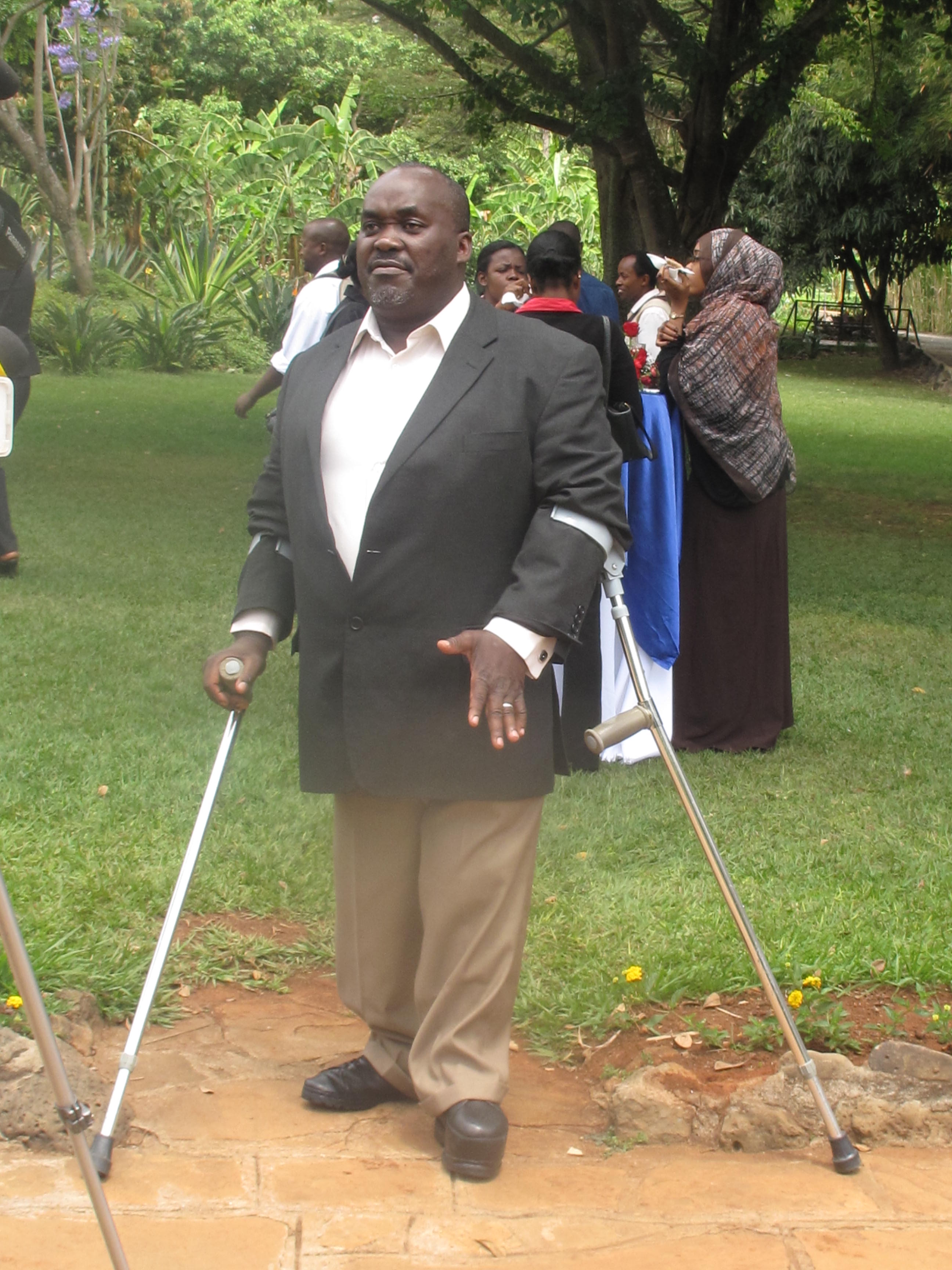
Meet Harold Kipchumba, a polio survivor and a nominated Senator.

At the age four he was abandoned by his parents after developing polio, a preventable disease. The father counted him cursed while the mother knew he had been bewitched.

“I was born over 50 years ago. I used to run a lot and I had a brother who used to call me names every time I beat them when playing. I was just a young boy and I believe I did everything my age mates were doing. When I was four years old, my legs started growing weak. At some point they could not even support me. Every time I tried running I could fall and my mum had to be called to carry me back home.”

According to Kipchumba, at that time nobody had any idea of what polio is. The hospital was very many kilometres away. The only option for his parents was to try traditional ways of healing and without any hope for surviving they abandoned him.

Kipchumba (L), Dr. Ian Nderitu from the MOH Centre and Onesmus Kifuru from Working for the disabled in Kiambu. [Photo: Malachi Motano]

“My father believed that I was cursed and so he abandoned me at that stage, went ahead and married the second wife. He thought there was no hope for future in the first family. My mum then took me to the best Witch Doctors imagine from Baringo to Ukambani, back to Western Kenya in vain. One day she abandoned me at a health center 30km away from our home.”

That was not the end of the journey for Kipchumba. The Catholic Church Mission took him to Nyabondo home for crippled children.

“I stayed for fifteen years before returning home. It was while at the children’s home that my life began to change. I went through catholic mission schools. I was the first child living with disability that joined the scout’s movements.”

The young Kipchumba later joined Alliance High School where he studied for his A and O levels. Being the only student with disability in the whole school, challenges did not end.

“I used to find it difficult to operate normally like the ‘normal’ students. There were stairs, other students would carry water to the ablution block and do very many things that I could not. At some point the head teacher attempted to transfer me to a special school but I refused.”

The determined Kipchumba managed it at Alliance High School, and continued to the university.

Today, with his other colleagues living with different disabilities have formed Baringo Society for People Living with Disabilities.

“I am today a strong polio advocate. Together with my colleagues living with disabilities, we are empowering parents to abandon the retrogressive beliefs and customs because we are in the 21st century, a period when the world is enlightened.”

Addressing food insecurity in Kenya is possible through seed quality assurance

Since the discovery of the Maize Lethal Necrosis Disease MLND in Kenya in the year 2011, efforts to manage it have been in high gear.

This is to ensure that the country does not suffer food insecurity where maize is the staple food.

The Constitution of Kenya declares access to food as one of the basic Human Rights thus underscoring the importance of seeds and agricultural productivity.

The Kenya Government has established-with funding from the Syngenta and the Bill and Melinda Gates Foundations, the Naivasha Maize Lethal Necrosis Screening facility which could be key in addressing maize seed-related issues.

The MLND screening facility in Naivasha. It is meant to address issues on maize. [Photo: Njenga Hakeenah]
International Maize and Wheat Improvement Centre (CIMMYT’s) Dr George Mahuku says MLND affects seed production which in turn affects food security.

“If seed quality is compromised, all other inputs will not help much as the source of crop life is not completely viable to give quality life”, explains Dr. Mahuku.

This in turn he says, compromises productivity affecting yields as well as probably contaminating future crops if the seeds are harvested and used later.

In a country where biotechnology is frowned upon and treated with skepticism, Dr. Mahuku opines that it could be the solution to managing MNLD as genetics could play a key role towards this end. He also advocates crop rotation and using clean seeds.

Kenya’s reliance on maize has threatened other food crops-mostly referred to as orphan crops – making it hard to address food insecurity.

Dr. James Nyoro, an agronomist says of the over-reliance on maize,

“When there’s no maize, Kenyans say there’s no food even when there’s a lot of yam.”

Nyoro adds that Kenyans need to move away from this mentality and adopt other crops for food if they are to avoid the perennial food shortages and in many cases droughts.

Orphan crops like sorghum, millet and others have for long been sidelined from meal tables which gave maize an edge but risking the country’s food security.

“The country needs to diversify if it is to comfortably feed the burgeoning population. Otherwise, if we stick with the same old policies and structures, this will remain a dream for a country aiming to be a middle-income country by 2030,” Nyoro quips.

The adoption of several food crop varieties would give Kenya an advantage in feeding the burgeoning population. The government is in the meantime mulling a two child per family policy in a bid to slow down population growth.

With this growth and speaking at a time when the country has experienced huge losses occasioned by the MLN disease, Dr. Nyoro opines that policies should also be put in place and implemented especially surrounding seeds whose quality determines the harvest outcomes.

He says that Kenya’s seed industry is dominated by one company and which is a threat to food security. He adds that the company had access to publicly developed materials and continually receives subsidies from government so it can offer seed prices at subsidized levels. However this lack of a level playing field has occasioned high costs but low quality seeds risking food insecurity.

Kenya’s vision 2030 is heavily premised on the success of Information Communication and Technology (ICT) and agriculture which remains the single biggest employer at 24 percent of the GDP.

Syngenta East Africa’s MD Walter Njenga says food demand is on an increase and it’s challenged by low productivity. He says technology can play a major role in ensuring that Kenya becomes food sufficient. This is echoed by the Kenya Seed Trade Association of Kenya (STAK) Chair Azariah Soi who intimates that adopting innovative technologies will increase agricultural productivity placing Kenya in an advantage position to deal with food insecurity.

The issue of biotechnology and especially around Genetically Modified Organisms (GMO) remains shrouded in mystery in Kenya. Those against GMOs fear that the foods will be a threat to health and also to indigenous farming.

Those who are pro-GMO say that the fears are unfounded and this means will keep experiencing the perennial food shortages. They say that biotechnology should be used to augment agricultural output.

Wanjiru Kamau from the Kenya Organic Agricultural Network (KOAN) says it is better to continue with conventional and traditional farming rather than introduce a technology which may prove fatal in the future.

As an organic farmer she feels investing in GMOs would be a risk and a gamble with the future food security issues.

And as this tug of war between those for and against biotechnology continues, the country is losing billions invested in research as well as unnecessary deaths due to lack of food.

If this continues, then it means that the country’s ambition of attaining food security and the Blueprint Vision 2030 remains a mirage.

Is bamboo the answer to polluted rivers in Kenya?

When the late John Michuki said he wanted to drink water from Nairobi River, most people never thought it could be possible.

Unfortunately, the environment minister died before he could see his dream come true. And Nairobi River is still filthy.

A section of Nairobi River. Bamboo can be used to rehabilitate this and others polluted rivers in the country. [Photo: tunza.eco-generation.org]
But there could be an answer to cleaning the messy river and many others in the country using bamboo.

Bamboo used to be commonly referred to as the poor man’s timber but research and demand for bamboo products is defying this tag in an era of technology and civilization.

As demand for wood surges, several bamboo species are now being used for different purposes ranging from furniture to land reclamation.

Bamboo has been in very high demand in Asia where it is common in rafting but now this grass is being used the world over for ornamental, building, food and furniture making purposes.

In Kenya, the major uses are on river beds for soil conservation especially in areas where surface runoff threatens soil health.

The country has been experiencing a boom in the need for timber as the construction industry expands. This has left most lands denuded as forests are cleared for wood and cultivation.

The fast growing giant bamboo can be used as an alternative source of fuel and timber in the country. However, its production has been limited as it requires expansive swathes of land to be commercially viable.

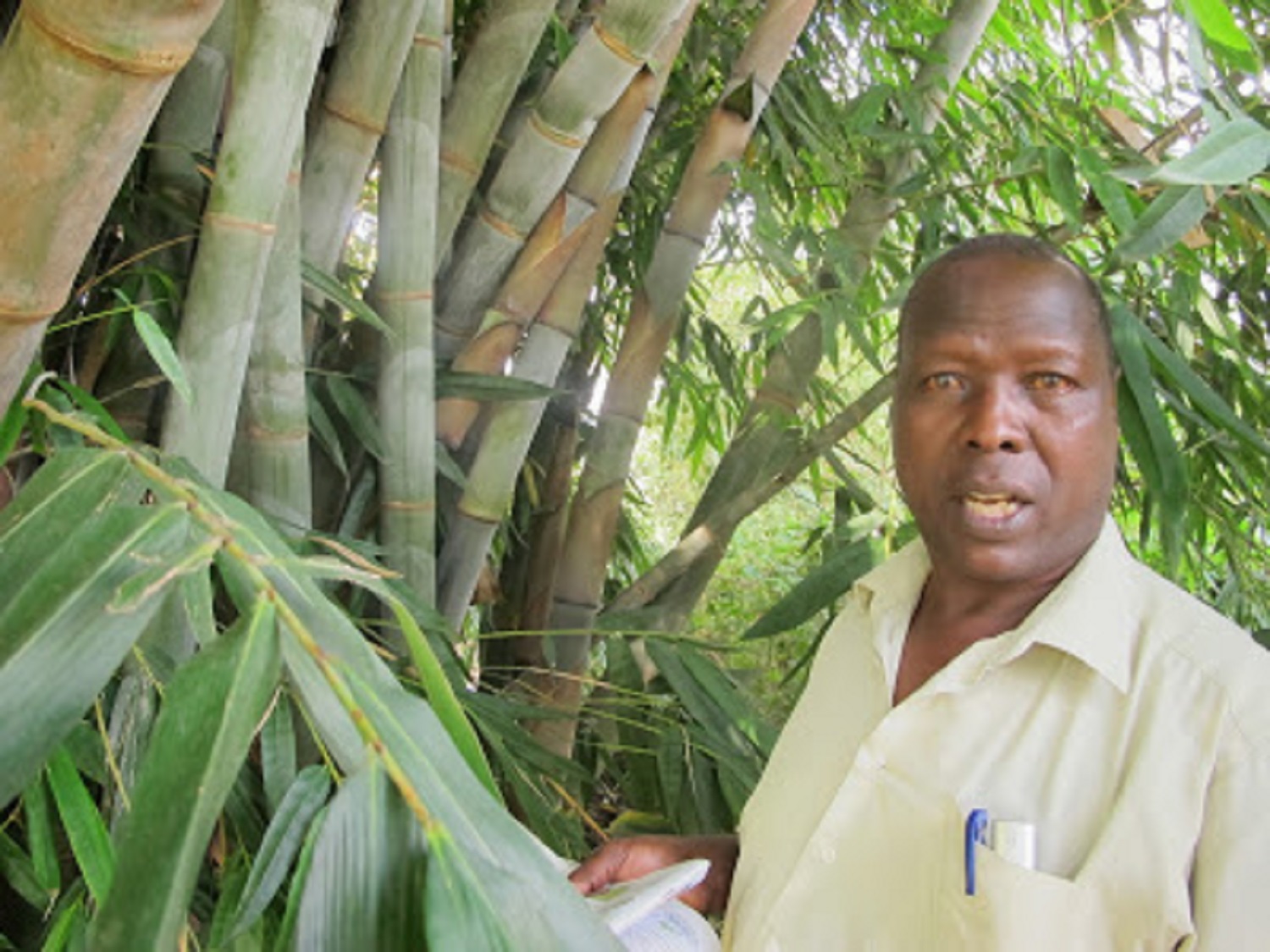
A Giant Bamboo plant at a farm in Njoro. The bamboo can be used to reclaim polluted rivers. [Photo: Njenga Hakeenah]
There are several types of bamboo in Kenya but a defunct project in Thika which focused on the yellow bamboo and the giant bamboo ostensibly failed because large tracts of land would be needed to commercially grow the giant bamboo variety.

This is beside the fact that most forest land has been deforested and the rehabilitation of water towers like the Mau and Mt. Kenya forests have not incorporated the giant bamboo.

Bamboo does not consume a lot of water. It can be grown in all areas from sea level to the highlands and it also has excellent hydrological properties in terms of high infiltration rates and low erosion rates compared to other types of land use.

It is also very effective in soil erosion control as its rhizomes are very good in holding surface runoff thus it can be used to curb the problem of silting and sedimentation in rivers and lakes which is a problem on the headwaters, especially the Tana river which has as much as five litres of top soil per cubic meter of water flowing into the Indian ocean.

Bamboo is also very important in balancing oxygen and carbon dioxide in the atmosphere with some species sequestering up to twelve tonnes of carbon dioxide from the air per square hectare and is also the fastest growing canopy for the re-greening of degraded areas.

The bamboo plant is known to absorb heavy metals from water bodies thus can be very effective in sewage cleansing and can be planted along river banks for the same purposes.

Bamboo is also being used in the manufacture of parquets which is a direction away from the tradition of boards being made from other trees like the eucalyptus, mahogany and many more.

The market response in Europe and North America has been described as ‘very good’ where a square meter of the board is retailing at a range of between $80 – 100.

Margaret Oluoch, author of “Putting Science into Practice”, is the founder of Smejak, an organization dealing with conservation in agriculture.

She has managed to apply the science and replicate it in her rural home in Kisumu to rehabilitate a river and also for fruit production on her farm in Kisumu.

She says,

“It came to me as a surprise that we can restore our land using resources we already have as we do not need to search for seeds. For instance, if I have to plant croton, I just need to collect the seeds and in due time they will germinate and be ready for transplanting.”

Oluoch is working to rehabilitate the Oroba River through the Friends of Oroba River Initiative bringing the community together, harnessing the resources and reclaiming them.

She uses the knowledge to teach community members how to rehabilitate the environment and reap benefits while at it.

For the environment conservationists, advocating the use of bamboo for its products will help not only in conserving nature but also addressing the emotive climate change issue.

As the world dithers on climate change, hotter weather could extinct Africa

Njoro Township in Nakuru. This would become a costly town to live in due to degradation and limited resources. [Photo: Njenga Hakeenah]
Njoro Township in Nakuru. This would become a costly town to live in
due to degradation and limited resources. [Photo: Njenga Hakeenah]
As the Climate Change Summit concluded in Paris, the resolution was a pleasing one if it is carried through and implemented.

For the first time, the world gathered to agree on cutting carbon emissions and to discuss cutting-edge production technologies to keep average global temperatures below two degrees.

Africa, a continent which is among the poorest of continents, has its future teetering as the financial burden on several fronts soar.

Unless something is done urgently, a warmer globe will mean huge financial challenges in adapting to climate change for a continent which emits the least greenhouse gases.

In 2013, the United Nations Environmental Programme (UNEP) estimated the costs that would be incurred and the aftermath of a 4 degree warmer world.

Adaptation costs for Africa could reach approximately $350 billion annually by 2070. This is if the two-degree target will be significantly exceeded, while the cost would be around $150 billion lower per year if the target is to be met.

The report; Africa’s Adaptation Gap, endorsed by the African Ministerial Conference on the Environment (AMCEN) whose secretariat is hosted by UNEP, confirms the World Bank’s Turn Down the Heat Report that there is a 40 per cent chance that we will inhabit a ‘3.5-4°C World’ if mitigation efforts are not stepped up from current levels.

The African continent already faces adaptation costs in the range of $7-15 billion per year by 2020. These costs will rise rapidly after 2020, since higher levels of warming will result in higher impacts.

A shrinking river in Kajiado County. A hotter world would mean more suffering for those who rely on such resources. [Photo: Njenga Hakeenah]
The combination of adaptation costs with “residual” damages could reach 4 per cent of Africa’s Gross Domestic Product (GDP) by 2100, under a 3.5-4°C scenario.

If no adaptation measures are taken, damages are expected to cost 7 per cent of African GDP by 2100 in a ‘3.5-4°C World’, according to the Africa Gap report.

The report further cautions that, even if the world does manage to get on track to keep warming below 2°C, Africa’s adaptation costs will still hover around $35 billion per year by the 2040’s and $200 billion per year by the 2070’s, with total costs reaching 1 per cent of the continent’s GDP by 2100.

“Missing the 2°C window will not only cost governments billions of dollars but will risk the lives and livelihoods of hundreds of millions of people on the African continent and elsewhere,”

said UN Executive Director, Achim Steiner.

“Even with a warming scenario of under 2°C by 2050, Africa’s undernourished would increase 25 – 90 per cent. Crop production will be reduced across much of the continent as optimal growing temperatures are exceeded. The capacity of African communities to cope with the impacts of climate change will be significantly challenged.”

In all scenarios, the capacity of African communities to cope with the effects of climate change on different economic sectors and human activities is expected to be significantly challenged, and potentially overwhelmed, by the magnitude and rapid onset of climate change impacts.

To reduce the magnitude of the impacts and their repercussions for African livelihoods, adaptation measures at different levels, from households to national and regional levels, are being planned and implemented and need to be further supported and strengthened.

The measures include developing early-warning systems for floods, droughts or fires to help populations anticipate and prepare for the occurrence of extreme events, irrigation, improvement in water storage capacity, reforestation to protect surface water systems, sustainable use of groundwater resources, desalinization of seawater, and rainwater catchments and storage to maintain sufficient and reliable access to fresh water for human and agricultural needs.

Most of the Middle Eastern countries already desalinate their water but it comes at a huge cost to the govt. This would mean it could be unachievable on the continent unless resources are available large scale.

Other measures include city infrastructure protection measures such as seawalls, dykes, wave breakers and other elements of coastal zone management, as well as city-level food storage capacity and urban agriculture to enhance food security and improving design and drainage technology of sanitation facilities to reduce the risk of water-borne diseases in the aftermath of extreme weather events.

The majority of these and other adaptation measures require an anticipatory and planned approach, as well as large investments. The need for planned capital-intensive adaptation is greater at high than low warming levels.