Thursday, December 18, 2025
Home Blog Page 8

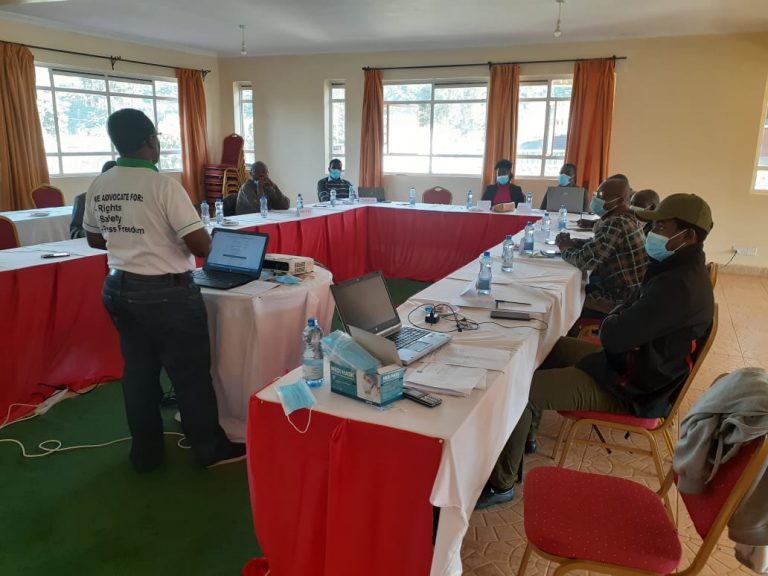
KCA Holds Training on Freedom of Expression and Safety of Journalists in Transnzoia County

Kenya Correspondents Association (KCA) in partnership with UNESCO’s International Programme for the Development of Communication has today commenced a two-day training on Freedom of Expression and Safety of Journalists in Transnzoia County. This marks the fourth training since its inception.

The project targets to train a total of 200 correspondents drawn from the 8 countries and also
aims at sensitizing officials of the respective county governments on the importance of freedom
of expression for citizens as enshrined in the country’s constitution and international
instruments.

Media coverage of governance, service delivery and corruption in the counties have resulted in increased threats to the safety of journalists and to freedom of expression, the project will respond to some of the increased cases

of threats to the safety of journalists and freedom of expression in the counties.
The project also includes systematic monitoring and documentation of the trends and actual
threats to the safety of journalists and violations of freedom of expression in the counties.
The initiative aims at contributing to the collective efforts by the media industry to lobby and
advocate for an improved environment for the safety of journalists and expanded space for
freedom of expression by citizens and stakeholders in the counties.
This is the fourth one since the project was launched in November 2020. Already, similar workshops have been held in Kisumu, Bungoma, and Mombasa. KCA has so far held similar workshops in Kisumu, Bungoma and Mombasa  and is projecting to have additional workshops  in Nakuru, Nyeri, Meru
and Kitui between May and July.

Solving the digital health divide in Africa through scaled up public-private support for digital innovation

14

Digital innovation is vital for the advancement of African economies and their health services, but to make this possible certain large stumbling blocks need to be removed.

This was the consensus amongst high-level global and African health experts who came together for a recent online discussion co-hosted by the Africa Health Alliance (AHA) and USA Healthcare Alliance (USAHA) on promoting healthcare infrastructure and bridging the digital divide in Africa. Major challenges discussed included lacking broadband infrastructure, a shortage of digitised data for actionable systemic insights, and inadequate long-term investing and political support for innovative health technologies from Africa.

Three of the participants, Microsoft (www.Microsoft.com/en-za), BroadReach Group (https://BroadReachcorporation.com) and access.mobile International (www.AccessMobile.io), shared their experiences in successfully partnering with each other and with other roleplayers to solve complex healthcare challenges at scale on the continent.

It was agreed that the COVID-19 pandemic presented a rare window of opportunity for Africa’s health sector to come to terms with many long-time systemic challenges and to use their newfound momentum to mobilise vital role players, technology, available funding, and improved ways of working, to solve more than just the pandemic for the long term.

“I like to use the analogy of the elephant and cheetah,” said Dr Ernest Darkoh, BroadReach Group co-founder, World Economic Forum’s Schwab Foundation board member and TIME Health Hero. “The private sector has the speed and agility of the cheetah and governments the strength of the elephant. When the road is cluttered with rocks, you need the might of the elephant to clear the way so that the cheetah can get through.” Examples of such public-private partnerships included the sourcing of broadband or laptops for rural clinic staff.

“It is time to partner the cheetah and the elephant and it is time to scale. It is time to put our money where our mouths are and invest in scalable systems – our lives literally depend on it. COVID is a watershed moment that has made us realise we need to start doing things differently. We can’t approach this in the same way that we’ve approached other things that have taken so long to gain acceptance,” said Darkoh, referring to Africa’s longtime fights against malaria, TB and HIV.

“Technology has the power to improve health outcomes, specifically access to care, quality of care, and patient and provider experience, so that you can remove waste and improve efficiency of care,” said Dr David Rhew, global chief medical officer at Microsoft.

Rhew, who is also an infectious diseases doctor, technologist and researcher on how technology can be used to improve public health outcomes, said Microsoft provided healthcare support around the globe and in Africa, both in the clinical realm of electronic health records and with digital technologies that consumers and patients used. One of its most recent innovations is an artificial intelligence (AI) powered “COVID-bot” to help triage patients. Microsoft noticed however that they always came up against the same challenges: the lack of streamlined communications and broadband access.

It was for this reason that Microsoft got involved in providing broadband access through technologies such as TV white space (unused spectrum that can be used to transmit WiFi). They have also worked with BroadReach on its AI-based health data platform Vantage, and mass mobile communications partner access.mobile to assist governments and regions with large scale interventions for more equitable healthcare provision to large, vulnerable and hard-to-reach populations.

Governments such as South Africa’s conducted extensive door-to-door screening campaigns at the beginning of the pandemic to find out people’s ages and comorbidities. In partnership with provincial governments, BroadReach also gathered screening data including valuable granular details such as the geolocation, household information and categorisation of patients. Darkoh explained that the challenge was that scalable solutions were not always in place at a broader systemic level for decision-makers to use this data effectively.

To solve such challenges, it was important to remember that you did not have to reinvent the wheel, said Darkoh. The private sector, digital innovators and different government departments already had many of the health technology solutions that governments were now seeking – the key was to open up opportunities for information sharing, collaboration, procurement and interoperability of existing systems.

“For many African innovators there is no path to market and the prospect of being contracted by the government is unrealistic – they can’t even have those conversations with their governments to support their technology. We need to elevate the conversation back to the political will level, for example to make decisions such as ‘let’s get every clinic connected to the grid for electricity and WiFi.’ There are some big rocks we need to move. Let’s run the health system the same way we do the central banks: independent of the election cycle or which political party is in power, on a ten year timeframe to get things done.”

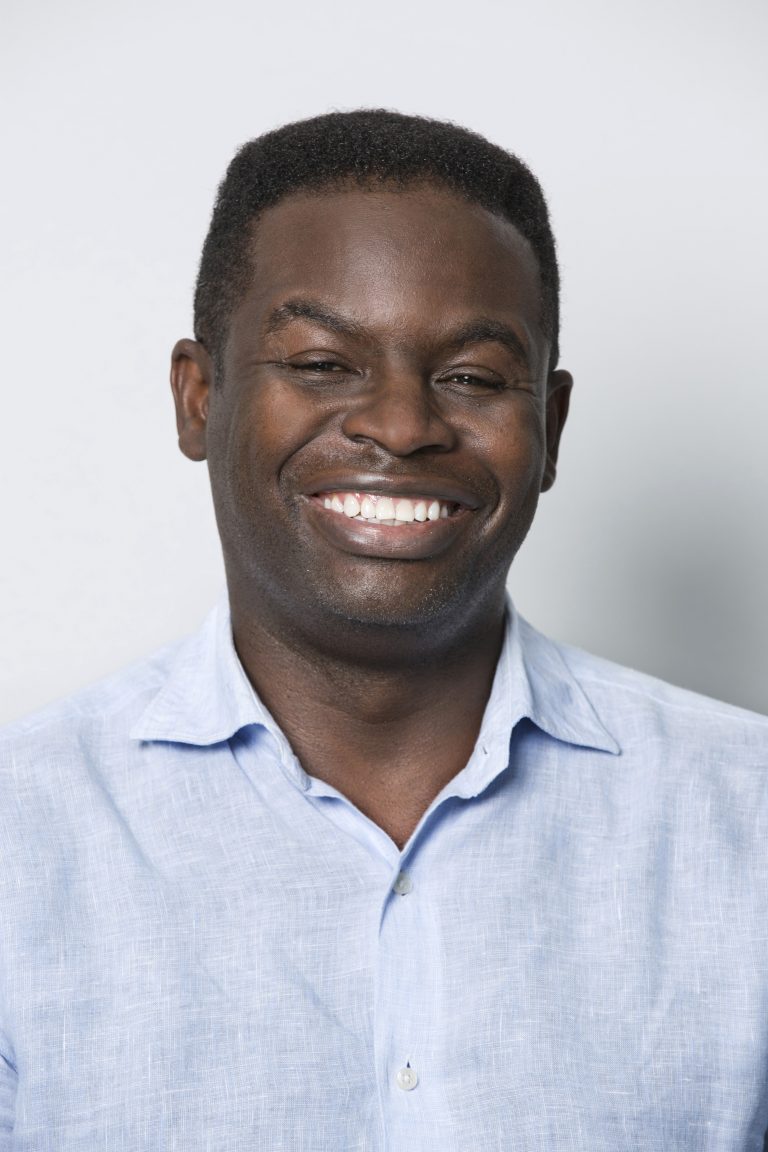
This sentiment was echoed by Kaakpema “KP” Yelpaala, Chairman and Founder of access.mobile International (www.AccessMobile.io/about-us), an organisation with the mission to use digital communication channels to improve access to health services and to support positive behaviour change in the healthcare space. The company has worked at scale in 13 countries across West, East and Southern Africa since being founded in 2011.

“Every African country you go to you will find incredible digital health innovation. As Ernest mentioned, the problem is they are not scaling and the barrier that is driving that digital divide is an infrastructure one,” Yelpaala said.

Yelpaala also believed another key solution for the divide was to bring on board “investors with a long-term view on returns”.

Opportunities needed to be viewed in the context of the generational shift currently happening in Africa. “The population is young and this always presented us with a bit of a conundrum. Young people were active digital innovators and consumers, but tended to be healthy and to not seek out health information. This is changing with the pandemic. We are in Generation One of digital health adoption on the continent. As Gen One ages and the generation behind them start adopting digital health, at that point we’ll see it starting to exponentiate. It’s really frankly just a matter of time.”

Yelpaala believed digital innovation was “going to be one of the key pathways to how African economies and health services are going to be transformed” and that African innovations would be used in other parts of the world. This could be made possible through strong public-private partnerships and investment in the already impressive digital innovation that existed in Africa, he said.


The Role of National Action Plans on Business Human Rights

0

National Action Plans  (NAPs) are basically an evolving policy strategy developed by a state to protect against adverse human rights impact by the business enterprise in conformity with the UN guiding principles on business and human rights.

Naps if implemented, raise awareness and mobilize action both internally and externally while also setting up measurable and achievable targets for a country to achieve.

The Kenya NAP process timeline

Kenya is the first African country to come up with a draft of National Action Plans around Business and Human rights. Its development process was led by the government through the State Law Office and Department of Justice with support from the Kenya National Commission on Human Rights.

Kenya accepted recommendations to develop a national action plan to implement the UNGPs in January 2015, in October the same year the office of the Attorney General developed a concept paper highlighting business and Human Rights challenges facing the country.

IN April 2016, Kenya officially committed to developing a  National Action plan that reflects the issues of priority to business and human rights in the country and a steering committee was formed to spearhead the process.

However, not much has been done to move the National Action Plan Forward.

In 2019, BAKE representatives attended a Washington DC training by GDP/Internews and later in April 2019 officially started the national advocacy on the National Action Plan where it hosted CSOs and SMEs for a workshop to create awareness on the NAPs.

later in the year, the Attorney general published the final NAP document that has since been waiting for approval by the Cabinet and adoption by the parliament.

The slowed process has resulted in key issues especially around privacy that are of concern to companies that have been misusing personal data because we lack proper policies that protect the consumers.

Despite legal protections, there lacks clarity in the relevance of human rights for businesses. As such, we launched the #NAPKenya compaign to foster a speedy process in the implementation of the Naps.

Why we need to champion  for the implementation of the Naps?

The  Naps  is aligned to Kenya’s vision 2030 and the SDGs for policy coherence and integration. It links each of the identified themes and the cross-cutting issues to the corresponding SDGs.

They also consolidate the exisistinmg efforts geered towards the protection and fulfilment of human rights by both state and not state actors.

The current draft has no reference to human rights in the context of technology developloment and use which should recognize the role of tech in business and its impact on human rights especially data privacy in the age of AI, automation among others.

The naps are responsible for guiding  businesses on the measures they should undertake to meet their responsibility to respect human rights in their operations.

They offer a roadmap of strengthening access to State-based judicial and non-judicial remedies for victims of business-related harm and to promote human rights due diligence by businesses, ensuring that they play their role in the attainment of SDGs #NAPKenya

The National Action plan forms a basis for dialogue between the State, businesses, individuals and communities whose rights are adversely impacted by business operations, and CSOs on promoting respect for human rights by businesses.

Challenges around the implementation of National Action plans in Kenya

The major challenges in the adoption of the NAPs is the frustratingly slow government processes that have created bottlenecks on the project. Since 2019 when the NAP was presented to the cabinet for approval, nothing has been done two years later.

The Covid-19  pandemic in the country in early 2020 has also been a major blockage in taking the project forward. Most projects were stalled as the government gave priority to the current emergencies and projects that need quick adoption.

Lack of understanding of human rights issues by some SMEs has as well created a barrier in the implementation of the NAPs. Their interpretation of business human rights has been interpreted to mean confrontation with the government.

Despite legal protections, the community consultations conducted as part of the NAP revealed structural and procedural barriers to access to remedy. Some include; high litigation costs, limited physical access to courts & a low rate of prosecution against directors.

To comment on the conversations, follow the hashtag  #NapKenya and #DigitalRightsKE and see how the conversations went down.


Business and Human Rights Issues Within the Tech Sector


Human rights activities date back to the early years of national development across the globe and have served as standard tools for governments to coordinate and prioritise actions on a topic. Business and human rights are basically international human rights laws set to protect against human rights abuse within their territories that they impact.

For instance, the National Action Plan on Business and human rights in Kenya was drafted and published by the AG in 2019 and has since been in the cabinet awaiting approval to be implemented.

However, the NAP draft makes no reference to human rights in the context of technology development and use. It speaks broadly to applicable safeguards in the context of business human rights.

For example, it recommends state legislates to require companies to conduct due diligence on their impact of human rights reporting and non-financial reporting. it also mentions the gaps in privacy and data protection and freedom of expression.

Technology in recent days has become a powerful tool for human rights activities.  Without tech issues being highlighted in the Human Rights framework, there will be a gap in the understanding of the human rights issues in the tech world.

Identified Human Rights Issues within the tech sector

There have been uprising issues on Business and Human rights within the technology sector.

The changing nature of the sector considering the development of new software and technology, the increasing use of digital products, and the threat of authoritarian government intervention, makes it essential for ICT companies to continuously reflect on these factors and strengthen their approach to human rights.

Business and human rights activities such as the right to freedom of expression, the right to privacy, the right to credit for personal works, the right to digital access, and the right to our identity have been violated by tech companies operating in Kenya.

Which, if Kenya adopts a data protection law for instance on the collection, centralisation and sharing of personal data the use of Population Registration Systems like the Huduma Number would cap some of the data breaches.

The government has also been reluctant on passing laws that protect Human Rights activities online. For instance,  It has been encouraging young Kenyans to take up ICT jobs while still introducing the ICT practitioners bill to license them.

While there are clauses in the National Action plan that addresses how businesses should treat data for the safety and human rights of their clients, the companies have been on the loose to use the data wrongfully.

Most of these companies once you do the transaction with them, they then adopt a habit of sending you spam with texts on their offers which is a breach of privacy.

With the current times, transactions, education, and social engagements are shifting to the online space. There is a growing need for maximum security on data collected both by state and private entities.

Much less has been done by the government on cyber repression especially on surveillance, censorship, and social monitoring that provides a rich & comprehensive means of social and political control an activity that has been employed by several governments in Africa.

Actions in place for tech issues in business and  human Rights

In 2019, BAKE hosted CSOs and Tech SMEs working in Nairobi to create awareness about Human Rights Issues within the tech sector.

Since then, there have been various public awareness campaigns that are projected towards achieving full representation of tech issues in the business Human Rights issues.

BAKE has also been pushing for the approval of the  NAPS that which will then lead to the formulation of the task force that will edit the existing regulation policies, administrative procedures related to privacy and data protection frameworks in Kenya.

The #DigitalRightsKE campaign is one of the major activities that BAKE has been engaging in to create awareness on Human Rights Issues.

Image 

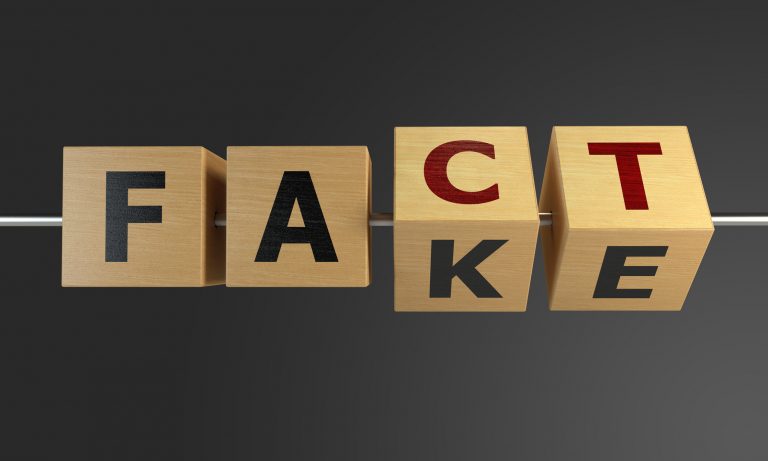
FACT CHECK: DCI Letter Subjected to Vehicle Clearing Agents is Fake

Early this week, there has been a letter circulating online directing all clearing agents to subject their vehicles to a forensic analysis/tape lift that was alleged to have been shared by the Directorate of Criminal Investigations (DCI).

The  Directive of Criminal Investigation posted on Twitter on 7th of April confirming the letter is fake.

According to the letter, specific units/ vehicles must be subjected to forensic analysis/ tape lift of Chassis and Engine Numerals. Only then would the status of each unit be confirmed from the Interpol Database.

Some of the vehicles listed include Land Rover, Range Rover, Discovery, Mercedes Benz, B.M.W, Porsche of all models amongst others. The letter sparked some controversy amongst Kenyans, with some questioning whether the letter is fake.

Image

Citizens have raised their concerns over the continuous pile up of expensive cars in sale yards, with little to no sales reported. A  @KagzDi tweeted “Why would anyone to such great lengths because the contents therein help fight crime! Letter definitely not from criminals”.

However, the DCI made it clear that the letter was a forgery and not from their offices. They instructed clearing agents to treat the directive with the contempt it deserves.

The Directorate of Criminal Investigations is a semi-autonomous directorate of the National Police Service. It is responsible for investigating complex cases.

Have you spotted information that you think is false on social media?  Send us a tip on [email protected]. Remember to verify the information before sharing it, to reduce the spread of misinformation.

Image

The Rising Covid-19 Cases in The Third Wave of The Pandemic

In the past few weeks, Kenya has registered an increase in the positivity rate of covid-19 up to about 22 per cent from 5 per cent in the previous period.

Despite there being an introduction of the vaccine in the country, we have seen an increase in the number of citizens infected by the virus. Laxity among Kenyans is one of the reasons why there has been increasing in these numbers whereby most of them have begun to ignore the guidelines of the Ministry of Health in curbing the spread of the virus.

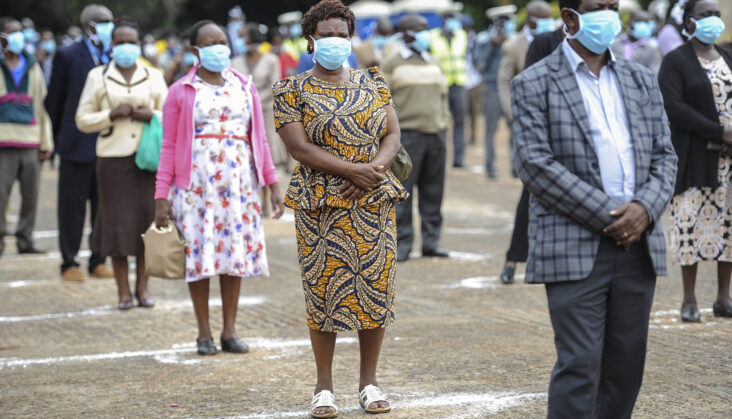
Some Kenyans have ignored the use of face masks to protect themselves and others from getting infected. Also, there has been minimal social distancing in the past few weeks whereby we have seen cases of people attending concerts and parties. In some cases, Kenyans have gotten the pandemic fatigue whereby, most of them can no longer stay in their houses for too long as advised by the government. Some even state that wearing masks can be quite exhausting which puts them at the risk of catching the virus.

Kenyan doctors have raised an alarm over new symptoms of the virus among patients and are asking Kenyans to observe extreme caution at this period. Some of the older symptoms include; shortness of breath, dry coughs, and fever. The new symptoms may however be confused for other diseases and they include; a rash on skin, diarrhoea, and discolouration of toes or fingers.

So far, there have been an approximate of about one hundred and four thousand five hundred (104,500) covid-19 cases whereby close to eighty-five thousand, six hundred and sixty-five (85,665) recoveries and one thousand, eight hundred and thirty-seven (1,837) deaths that have been reported by the Ministry of Health with Nairobi producing the highest numbers. The numbers are expected to increase with time if Kenyans do not take extra caution to curb the spread of the virus.

There have also been reports from both private and public health facilities that most of the ICU and HDU facilities are overwhelmed by large numbers of covid-19 patients who are in dire need of medical assistance. The number of those seeking hospitalization in the public and private facilities as a result of complications associated with the coronavirus disease has in recent weeks shot up, this is according to a report from the Ministry of health.

However, the Ministry has condemned reports of private hospitals demanding huge sums of money from people in need of critical care before admission to the intensive care and high dependency units. The Health Chief Administrative Secretary Dr. Rashid Aman stated that it is the responsibility of medical facilities and health care workers to save lives. He also stated that the mentality of putting money ahead of peoples’ lives must stop. This also puts the health workers at a greater risk of contracting the virus and even succumbing to the disease.

Kenyans’ reaction to the Covid-19 vaccine

0

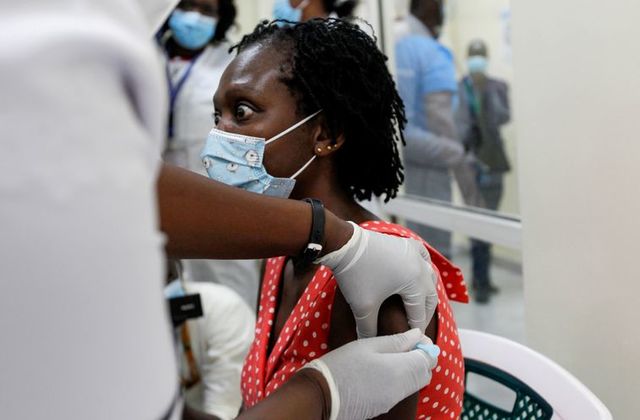
Kenya received its first batch of the covid-19 vaccine on the 3rd of March 2021. The Ministry of Health received about one million doses of the AstraZeneca vaccine at the Jomo Kenyatta International Airport. The vaccines were delivered by the COVAX facility which is also being used by other African countries. The Kenyan government announced that the first people to receive the jab of the vaccine are the health care workers who face the greatest risk of contracting the covid-19 virus while attending to their patients. In the past months, we have seen a great number of frontline workers succumb to the virus while on duty.

The Ministry of Health stated that the vaccination process in Kenya is voluntary but encouraged citizens to have the vaccine so as to reduce the spread of the virus in the country. However, there are some Kenyans who are hesitant about taking the vaccine especially because of the rumors that have been spread around social media platforms where some anti-vaccine individuals warned people against receiving the vaccines. Some stated that the vaccination was to reduce the population of Africans by the western world which has led to great hesitation to the virus. It is now the responsibility of the government to educate and make citizens aware of the benefits of the vaccine.

There are other situations where individuals are comparing the effectiveness of the vaccine with what other countries are using such as Pfizer and Moderna that are being used by some European countries and the United States. The Ministry of Health recently announced that the rollout of the vaccines will now be carried out in both private and public health facilities so as to enable as many Kenyans to receive the vaccine against coronavirus.

Some of the people who have received the vaccine have mentioned that there are side effects after getting the first dose of the jab. There have been reports from some people that they have had headaches, redness of the area that has been injected, body pains, and fatigue. However, these are some of the signs that the body is reacting to a foreign element in the body and is trying to adapt to the element. The same also stated that after a while the side effects reduce but from some researchers, the side effects increase with the second dose of the vaccine.

Citizens are also worried that they may not get access to the vaccine as soon as possible after reports that the government was requesting funds from the International Monetary Fund (IMF) to purchase the vaccines. Some are not sure if the government will manage the funds appropriately after the recent case of mismanagement of the covid-19 funds.

Despite there being a vaccine for covid-19, Kenyans are still being advised to protect themselves and others against the contraction of the virus. The Ministry of Health advised that even after getting the first dose of the vaccines, one can still contract the virus. Kenyans are being advised to continue using their masks, sanitizing, and washing their hands, and that they should observe social distancing as there has been a recent increase in the positivity rate by 22.1%. We do hope that the virus will be contained and most Kenyans get access to the vaccine so as to bring these numbers down and that the country is able to get back on its feet especially in the sector of financial growth.

KCAA Allowed to Operationalize Drone Charges in Kenya

0

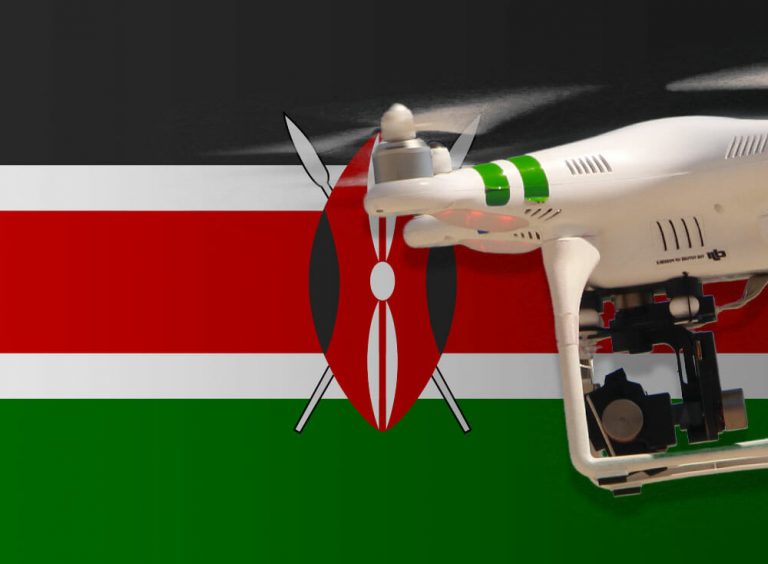
The Kenya Civil Aviation Authority (KCAA) has been permitted to operationalize the Civil Aviation (Regulatory Fees Charged for Unmanned Aircraft Systems) after they were acceded by the National Assembly on March 6th 2021.

The Ministry of Transport, Infrastructure, Housing, Urban Development and public works has gazetted the charges which will pave way for the operation of the unmanned aircraft systems.

Kenya Civil Association Authority Director General Captain Gilbert Kibe said The gazettement of the regulations heralds a new era in the country’s aviation ecosystem by opening up the sector to innovations.

He added, “innovation in Unmanned Aircraft Systems has been growing at a big rate and the uses of this technology are limitless. Such positive uses include the filming of documentaries, sports, movies, and weddings.”

Individuals or entities that may have already imported the systems or would like to own and operate them are encouraged to register with KCAA and pay a fee of Ksh.3000 so as to lawfully own and engage in safe drone operations.

The charges are a reduction from the revoked rates under the Kenya Civil Aviation Regulations-2017.

Some of these operations that are set benefit include precision agriculture, crop spraying and data collection, forest management, building, dams, an inspection of power grids, and many more.

KCAA will also be undertaking public sensitization on the application and implication of the regulations.

The Civil Aviation (UAS) Regulations, 2020 categorizes drones based on the risks posed by their operations. The purpose of the UAS, risks to public safety and security are the three categories that form the basis for consideration in registration, approval, and authorization for operations

Covid-19 in Africa and How Governments Have Adopted Measures To Curb its Spread

The first case of Covid-19  in the world was first reported in Wuhan, China in 2019. However, the origin of the virus and transmission to human beings is still unknown. It was speculated that the virus could have originated from the wet /seafood markets in Wuhan and many more speculations that have never been brought to finalization.

The first case of Covid-19 in Africa was reported in Egypt which spread quite fast throughout the continent at a time when the European and Asian continents were at the peak of the pandemic with cases of up to thousands of  infections a day

The unlikely source and the fast spread of the virus have to date disrupted the slowly growing African economy. African governments quickly took the initiative to educate their citizens of the covid-19 through the directives of the World Health Organization (WHO) to fight and reduce the spread of the virus.

Countries such as Rwanda took the initiative to provide the kits and also rolled out testing centres for the citizens. In Kenya, the government introduced similar measures in order to protect the citizens from getting exposed more to the virus urging them to social distance themselves, wearing masks, and washing their hands regularly.

The head of state also introduced curfew as a way of reducing the spread. Similarly, other African heads of states introduced different guiding measures which have helped in some way to curb the spread of the virus through the continent.

International donor organizations have also stepped in severally to the governments come up with measures to help flatten the curve of spread and also stabilize the economy as a result of the pandemic.

For instance, The International Monetary Fund (IMF) set aside funds to equip African countries with the necessary tools to help stop the spread of the virus such the personal protective equipment for the health workers who are at great risk of catching the virus.

Last month, Africa also received the first batch of the covid-19 vaccines that will help curb the spread of the virus. Frontline workers like teachers, nurses, doctors, and security personnel are among the first beneficiaries of the vaccine. Kenya has already received their first batch of vaccines and health care workers, teachers and other frontline workers are among those who will be the first to receive the jab. This process would likely take up to two years to vaccinate the whole of its population.

For instance, Kenya will be able to vaccinate its citizens by end of 2022. While the African states have also been at the forefront to ensure the equity of resources and protecting their citizens through the stern measures to curb the spread of the virus, there still have been inconsistencies in the pending of the covid-19 funds that has since become a matter of concern.

The International Monetary Fund (IMF) set aside funds to equip African countries with the necessary tools to help stop the spread of the virus such the personal protective equipment for the health workers who are at great risk of catching the virus.

Scientists and medical workers have worked really hard to come up with a vaccine for the virus despite the challenges; several countries have received vaccine donations that would help reduce the spread of the virus.


Social Practices and The Stigma Around Covid-19

0

While Covid-19 came about unexpectedly, we had high possibilities of it ending in a few weeks and having everything go about normally as it used to be. We anticipated to have a Covid-19 free 20201 and have our lives back to fully normal, it has stayed and so is the stigma around it. The pandemic has been quite detrimental as well and patients and victims have constantly gone through the stigma from society.

At the onset of the pandemic, we had international bodies set up some standards of how well we can manage the pandemic. Among the measures that were introduced, social distancing and isolation of patients were well recognized to slow down the spread of the virus as interactions reduce.

Governments around the world also introduced total lockdowns to reduce the spread curve among their citizens which have been quite effective. For instance, Last year, Uganda introduced a 14-day total lockdown which reduced the spread curve.

A similar study published by Reuters also indicates that there was a  decline in Covid-19 cases after the lockdowns although there was no significant decline in the prevalence and mortality. It further notes, by bringing infections under control, lockdowns may pave the way to a faster economic recovery as it brings back the confidence in people to resume normal operations.

However, the lockdowns and isolations have also contributed to the stigma around the disease. Anyone with a history of Covid-19 or someone in the family with covid-19 is subject to stigmatization regardless of their current status.

This stigma leads to depression and severe trauma to the patients. They are isolated from the rest of the world in the fear that they may spread the virus to others and do not even inform their friends or family in the fear of being stigmatized.

Ignorance and our discriminative nature have made us not realize that the patients recover and can go back to being resourceful members of society. This cause was also much driven by the handling of Covid-19 deaths by the government officials which brought trauma and fear to the affected.

As human beings, we’re created to be social beings and always want to be in the company of others. However, Covid-19 has not made it possible because of the directives to keep social distancing and even stay home as much as possible to avoid the spread of the virus.

Thanks to Covid-19 there are now ways in which people can communicate virtually such as through zoom calls/meetings which can be used to check on the well-being of the patients. At one time, we shall not only overcome the pandemic but also go back to how we used to be with just a few lifestyle adjustments.


How Social Media Fueled Misinformation During The Covid-19 Pandemic

1

Social media has become a very crucial tool for communication in recent days with almost everyone now depending on it fully largely interaction and as a source of news due to its reliability and convenience.

However, social media has in a big way contributed to the fueling of fake news in the country. When the first case of Covid-19 was announced in Kenya on the 15th of March, 2020 for instance, there were several speculations on social media that caused panic among citizens from fake diagnosis, fake doctors offering solutions online to believing in the myths pf Africans are too strong for Covdi-19.

Similarly, misinformation on social media also led to panic buying that saw almost all the supermarkets around the country emptied. Some of the social media users shared information on covid-19 that was not factual especially on the symptoms of covid-19. This information created panic and mass hysteria among Kenyans giving them the wrong understanding of the kind of symptoms to look out for.

The uncontrolled nature of Social media platforms fueled stigmatization to the victims and the relatives of those directly affected by the pandemic. We experienced a lot of privacy breaches during the period where malicious people went to an extent of sharing private information on social media to attack the victims which enhanced stigmatization of the patients and their families.

For instance in Kenya, Patient zero was maliciously trolled on social media to a point of deactivating hr accounts after going public about her status.

Among other myths, the 5G rollout was quickly connected to the major cause of covid-19. The first 5G covid-19 link was published on a French news website that speculated that the Millimetre-wave spectrum used by 5G technology and the disease caused by the Covid-19 virus are connected.

Despite social media being a good and convenient source of information to almost everyone, it has been highly used to spread fake news not only in Kenya but globally. through the pandemic, we also saw sources of fake news circulating from far beyond the continent of Africa that has disrupted news dissemination.

News conveyors now have to be more careful than ever while sharing news on any platform as it can be easily twisted to suit a certain narrative the way it was used during the peak of the covid-19 pandemic.


Addressing The Challenges To The Rollout of Covid-19 Vaccines in African Countries

0

The Rockefeller Foundation has been at the forefront of closing the inequity gap through covid-19 testing and investing. Ahead of the vaccine rollout in Africa, the foundation announced an initial of $34.95 to ensure equitable access to renewable energy in Africa.

Challenges to the rollout of Covid-19 Vaccines in African Countries

The covid-19 pandemic is a major global crisis and the collaborations will help combat the covid-19 crisis and unlock access to opportunities to build food systems across Africa. However, there have been bottlenecks that are limiting the rollout of vaccines on the continent.

Some of them include:

Struggling economic recovery

Covid-19 has led to a negative impact on the economy in many African countries. There has been heavy government spending in trying to support citizens during the pandemic even to a point of going into more debt. All these will lead to limitations in the rollout of the vaccines. These include limited access to global vaccine supplies, gradual and phased vaccine rollout plans for those lucky enough to get hold of vaccine doses, immense challenges posed by vaccine transport, storage and distribution deficiencies, and the resurgence of Covid‑19 transmission in parts of the continent. Some countries will fare better than others in accessing vaccines and distributing these to their citizens, but most people in Africa will not be inoculated by the end of 2021 and this will probably remain the case in 2022.

Relying on global initiatives

Affordable access to Covid-19 vaccines in Africa will to a large extent depend on the goodwill of the international community and international organizations especially those that are responsible for the global distribution of vaccines. This may take a while depending on their ability to deliver on time. Some of the African countries may not be able to access the vaccines on time which will be a great challenge in the rollout especially with the mutation of the virus.

Major vaccines distribution challenges

Countries such as Egypt, Ethiopia, Kenya, Nigeria, and South Africa have relatively advanced logistics infrastructure and reasonably good international connectivity that will facilitate the import and distribution of Covid‑19 vaccines to support their ambitious vaccine rollout plans. However, healthcare systems in these countries are under pressure from the resurgence or second wave of Covid‑19 that will complicate matters for instance; the Kenyan government announced that the country could possibly be facing the third wave of the disease. Some of these African countries have enormous and dispersed populations that have poor health services and accessibility is quite difficult.

Vaccine rollout plans

Rollout plans of the vaccines will depend on when they start and how fast they will be carried out and how much available national finance and international connections to facilitate vaccine imports, the quality of vaccine storage and distribution facilities, and the stability and security of the medical supply and general logistics environment. Kenya has already received 1 million doses of the AstraZeneca vaccine, however; the government stated it will first to the frontline workers especially the health care workers.

How can we address the challenges to the rollout of covid-19 vaccines in African countries?

African countries need to look inwards and develop an approach for local manufacturing which would lower the costs of vaccine importation and cold chain. For instance, Ethiopia has opted for a cold chain where they have gone into deals with China to get the vaccines. However, this can be avoided by local production and distribution.

Educating Africans on the need for vaccination could assist in addressing the challenges in the rollout. There has been fake news going rounds on different social media platforms from anti-vaccine individuals who state that the covid-19 vaccines are being used by the western countries to reduce the African population which gives a negative perception of the pharmaceutical industry. However, further research is needed on evidence-based interventions against vaccine hesitancy and its driving factors.

Global health inequalities in Africa also need to be addressed so as to assist in an easier rollout of the vaccines. Most of the places in Africa especially rural areas do not have access to quality health care. This has been a great challenge especially during the pandemic and should be looked into so that all people including the poor and marginalized can access the vaccine and help to stop the spread of covid-19.

How Covd-19 Has Shifted Tech Reporting and The Way Forward

0

While the covid-19 pandemic came about with a lot of disruptions globally, it has also brought about critical changes across all industries that were yet to be discovered. For the first time ever, we had everyone wearing masks and despite their downsides of affecting normal breathing, there are fewer breathing problems that are dust pollution-related.

The way we handle things today has really changed for the better. The pandemic has really been instrumental in letting us understand that there are various ways in which we can communicate with each other on important issues without necessarily being in the same confinement. Online video conferencing platforms like zoom have quickly and efficiently replaced physical events while delivering the same best results as ever.

Tech reporting on the other hand has experienced a major shift largely with the larger population interested in Covid-19 we had technology reporters shifting their reporting on the pandemic with a tech focus. We also witnessed the largest tech event cancellations due to the special distancing aspect and lockdowns with the covid-19 pandemic that further led to the introduction of virtual events.

Thanks to technology, video conferencing tools such as zoom, Microsoft Teams, and Google meet have also been essential in helping tech reporters gather information from different sources virtually. While fake news was rampant during the peak of the pandemic, we saw tech reporting shift to demystifying fake news sources and ensuring we get the right information about the pandemic eliminating myths such as Covid-19 is as a result of the 5G rollout.

However, cybersecurity was greatly ignored and this poses a great concern. The Covid-19 reporting has led to the neglect of other sectors especially with the introduction of the remote workforce. Between 2020 and q1 of 2021, the World Health Organization (WHO)  reported a five-fold increase in cyber attacks between 2020 and 2021.

Fighting the Conscious Battle Against Attention Deficit Hyperactivity Disorder

0

I

ADHD History

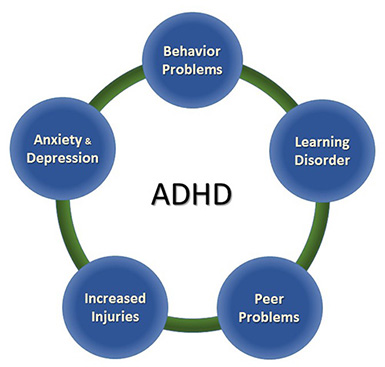
Attention Deficit Hyperactivity Disorder (ADHD) is a mental health disorder that continues to serve as a menace to society with its cumbersome effects. Fighting a conscious battle entails being in the moment, that you may be aware of ADHD.

It causes an above-normal level of hyperactive and impulsive behaviours marked by an ongoing pattern of inattention that interferes with functioning or development. It is more common in children specifically boys but also occurs in adults. For example, you may have noticed your son is having trouble concentrating or sitting still and brushed it off as “growing curiosity”.

Types of ADHD

Predominantly Inattentive ADHD

People with this type of ADHD have a very difficult time concentrating, finishing tasks and/or following instructions. It is particularly difficult to notice this type of ADHD in a child because they tend to be closed off and non-disruptive. This type is more common in girls and famously addressed as “daydreaming”.

Predominantly hyperactive-impulsive ADHD

It is characterized by primarily hyperactive and rash tendencies. This includes but is not limited to fidgeting, interrupting people while they are talking, and not being able to wait their turn. People with this type of ADHD always seem to be unsettled and in constant hurry. They tend to keep themselves busy and cannot just seem to relax.

Combined hyperactive-impulsive and inattentive

This is the most common type of ADHD where the patient experiences the symptoms of both types. These include an inability to pay attention, a tendency toward impulsiveness, and above-normal levels of activity and energy.

Symptoms of ADHD

If you or your child has ADHD, you may have some or all these symptoms. The symptoms you have depend on the type you have.

They include having trouble focusing or concentrating on tasks. Do you frequently leave tasks hanging or find yourself no longer occupied with the previous task you were engaged with? You may want to consider taking a test.

One may suffer from being forgetful about completing tasks. From complex to basic tasks, you may find yourself completely unaware of your responsibilities, but end up remembering at an inappropriate time.

Being easily distracted is a symptom that mostly affects children but some adults too. Especially with the rise and growth of social media that serves as a distraction.

Other symptoms include having difficulty sitting still and interrupting people while they are talking. This results to long term effects such as impatience and irritability.


ADHD Treatment

Treatment for ADHD typically includes behavioural therapies, medication, or both. Types of therapy that may be effective include psychotherapy or talk therapy. With talk therapy, you or your child will discuss how ADHD affects your life and ways to help you manage it. This may also include joining support groups of people living with ADHD and building a friendly environment.

Another therapy type is behavioural therapy This therapy can help you or your child with learning how to monitor and manage your behaviour. By learning how to live with your child and adjust your mannerisms, you are able to provide a conducive atmosphere for healing and progress

Medication can also be very helpful when you are living with ADHD. These medications are designed to affect brain chemicals in a way that enables you to better control your impulses and actions. However, one should be well informed on the side effects of these drugs and be well prepared for their management.

Image 

Africa’s Growth Prospects Bullish Despite Covid-19 Constraints and Debt Burdens

The African Development Bank (AFDB) has recently launched the 2021 Africa economic report and among the key things highlighted are the growth projections despite the covid -19 pandemic.  The road ahead for Africa especially on the impact of covid-19 and government debt offering mitigating measures to governments and policymakers.

The covid-19 pandemic has negatively impacted Africa’s economy whereby we have seen countries struggle to support the needs of their citizens. In Kenya, we have seen a great number of people lose their sources of income especially those who are in the informal sector. Despite the challenges caused by the global pandemic on the economy, Africa is expected to recover from its worst economic recession in half a century as reported by the African Development Bank on the 2021 African Economic Outlook report. It is expected to reach approximately 3.1 per cent growth in 2021.

The African Economic Outlook report 2021 also highlights numbers on Africa’s economic performance and outlooks. Speaking during the Launch, The African Development Bank Vice President and Chief Economist Rabah Arezki cautioned that Africa’s predicted growth could be subject to major downside risks arising from both external and domestic factors stating that the cost of inaction will be large.

The year 2020 saw the overall government spending across Africa skyrocketed as countries strived to support their populations through the tough times during the pandemic. However, this has resulted in a negative impact on budgetary balances and debt burdens for example of a country is Kenya that has continued to fall into debt during the Covid-19 pandemic.

The continent-wide projected recovery does not omit the threat of increasing poverty as an estimated 39 million Africans could possibly slip into poverty this year, following about 30 million Africans who were pushed into extreme poverty in 2020 as a result of the pandemic.

The report also finds that populations with lower levels of education, few assets, and working in informal jobs are the most affected and must be protected.

The African Development Bank has been at the forefront of supporting economic growth with numerous projects including the launch a $3billion  social bond on global capital markets which will allow investors to help fund projects with positive outcomes for society and provide investment returns. These projects include improving food security, health care, and financing.

Vice President Arezki also  added, ” Africa’s debt and development finance challenges should be discussed in partnership with the international community and that much larger financial support is needed whereby private-sector creditors need to be part of the solution.”

“We have a once-in-a-century opportunity at building forward better, more equitable, more sustainable, and above all more resilient. Prompt and bold measures are needed to make it happen, the report highlights the required actions.”