Thursday, December 18, 2025
Home Blog Page 7

NHIF biometric identification move among changes geared for UHC adoption and escalation

0

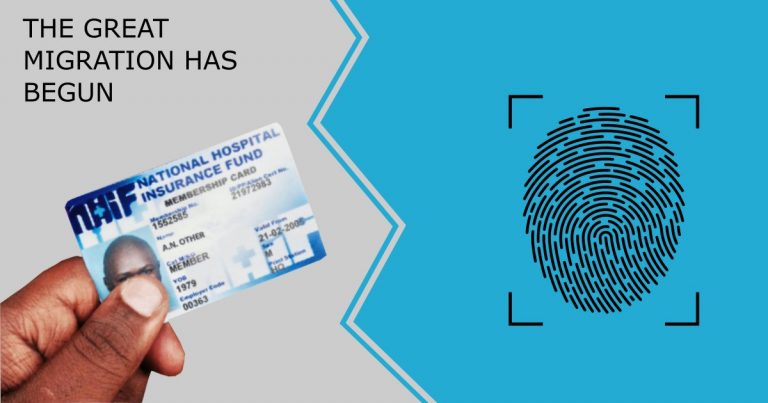
You have until 11th July 2021 to visit your nearest National Hospital Insurance Fund and start the process of shifting your NHIF identification from the current physical card to the biometric identification method.

“The great migration from a card to a biometric system has started. Now no one else can use your card without your knowledge!” tweeted NHIF

The parastatal has made a number of changes all geared towards the adoption and escalation of the Universal Health Coverage.

Some of the changes to the rules of engagement include private insurers paying first whenever a member is hospitalized in a plan to reduce the burden on the National Hospital Insurance Fund.

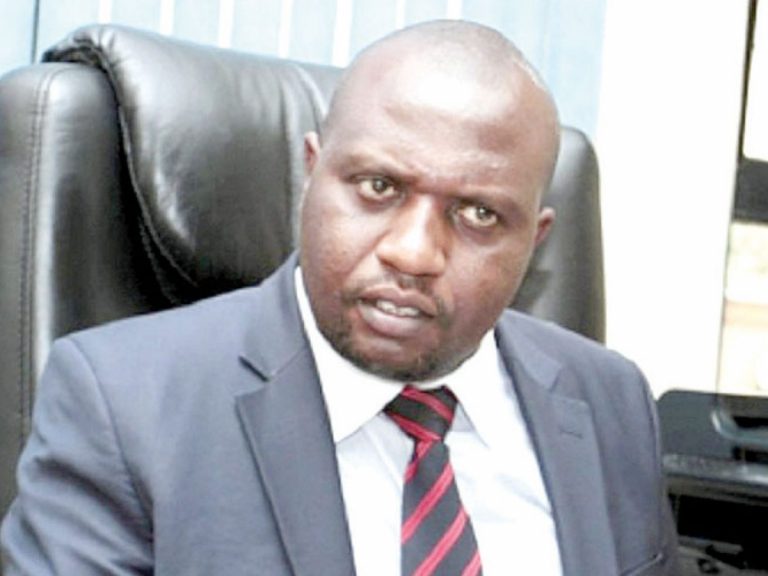
NHIF CEO Peter Kamunyo

“Currently, NHIF acts as the primary insurer for co-insured members, thereby bearing the biggest burden of between 70 and 100 percent of most hospital bills irrespective of whether the patient has a private health insurance cover,” said Peter Kamunyo

“The standard practice globally is that private health insurers are the primary payer while social health insurers become the secondary payer for benefit packages such as radiology, surgical, and dialysis,” he added

According to a post on his LinkedIn page, Kamunyo said the concept has been practiced the world over where the principle of social insurance operates on the philosophy of social solidarity. Individuals who can pay more do so to support and uplift those who cannot. The proposal is in the NHIF Act (Amendment) Bill 2021, introduced in the National Assembly on May 13.

“The reforms are expected to strengthen the fund to deliver UHC before President Uhuru leaves office next year. If this bill passes, more funds would be available for NHIF to expand its benefits package,’ said Kamunyo

The ink on the post had hardy dried up before a Medical Services Manager at Madison Group Kenya disagreed with Kamunyo  saying private insurance should serve as a complement to social insurance. As such, NHIF should be the very first payer. That’s the reason why NHIF is compulsory and private insurance is not.

Gone gave the UK as an example; Private insurance in the UK is mostly taken for services not well covered by NHS such as dental and optical and in situations where the client needs “better” services such as faster access to specialists and private rooms.

“The amount paid by NHIF in most cases is negligible compared to the amounts payable by private insurers. Take for example, NHIF will issue an undertaking of Ksh. 40,000 for a procedure costing Ksh. 400,000. In such cases, what will NHIF be paying if the client in covered to a maximum of Ksh. 500,000 by a private insurer?” posed Gone

So far,NHIF has been catering for people with chronic and pre-existing conditions, which most private insurers and they include dialysis, cancers, surgeries, and specialized imaging like MRI, CT Scan, and Pet CT Scan.

Speaking on the same forum, M.P.Shah Hospital Chief Executive Officer Toseef Din said “We need more collaborations and stakeholder engagement to make this happen and for it to remain sustainable.”

The parastatal NHIF Act (Amendment) Bill 2021is still in parliament bill introduces three contribution categories and they include statutory contributions for the formal sector, a mandatory contribution for the informal sector, and sponsored programmes for vulnerable households. The government-backed National Hospital Insurance Fund (Amendment) Bill seeks to make it compulsory for every Kenyan above 18 years to contribute and be a member of NHIF.

This means they will be required to pay Sh500 every month in a remodelled Universal Health Coverage (UHC) scheme for outpatient and inpatient services, including maternity, dialysis, cancer treatment and surgery.

Every adult Kenyan will soon make an annual compulsory Sh6,000 contribution to the National Hospital Insurance Fund (NHIF) if Parliament adopts State-backed changes to law in the race to offer medical cover for all.


 

Sexual abuse, murders, teenage pregnancies and poverty among problems affecting children in Kenya

Hardly a day goes by without the news of a gruesome murder; defilement or kidnapping being reported on all media with some of the most recent ones being that of 11-year-old Priscilla Naserian who disappeared after she left for her grandmother’s place a kilometre away. Her body was later found half a kilometre away from her grandmother’s place.

Just a few weeks ago Shantel Nzembi who was found dead and her body put in a gunny bag in Kitengela and Michelle Jeniffer from Kayole who left home for school only to be found dead a day later at the Mama Lucy Hospital on Kangundo road. Both were only 8-years- old.


There has also been a spate of kidnappings as well as cases of sexual violence with a good case in point being Kericho County whose children department is alarmed over the skyrocketing number of defilements.

According to Kericho County Assistant Director of Children’s Services Jane Rono, cases of defilement amongst girl of between 12 and 15 age bracket were being reported to their office on daily basis with those entrusted with the minors’ wellbeing preying on them. She pointed out Sosiot and Sondu areas as the most affected areas and that most cases involve close relatives, parents, and acquaintances.


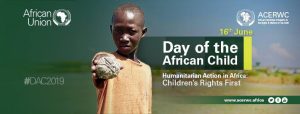
According to the Access to Medicines platform when celebrating the Day of the African child, the Covid-19 pandemic has worsened the challenges that vulnerable African communities were already grappling with before the pandemic. With such effects, it is becoming increasingly difficult to meet and uphold children’s rights.

For example, Kenya has also reported a spiraling number of teenage pregnancies which means quite a number of girls will not be able to attain quality education. Additionally, quite a number of children have experienced sexual abuse and domestic violence occasioned by the stay-at-home measures put in place to counter the spread of Covid-19.

According to The World Bank, COVID-19 has negatively impacted the country, thereby negating all the steps taken as far as poverty reduction in Kenya is concerned. This has in effect made it very difficult for children to access basic needs.

In a recent report, the United Nations International Children Education Fund (UNICEF), has called for the accelerating of the Sustainable Development Goals achievement in African countries during and beyond COVID-19. This, according to the UN body, can potentially grant every child a fair chance in life, which means they will be able to secure good health, safety, education, protection as well as equal opportunities. All these are geared towards the realization of the African Union Agenda 2040.

Walking the talk, as far as accelerating progress towards the SDGs for every child is concerned, the UNICEF embraces a ‘3As’ approach recommended for implementation by African countries;

  • Awareness – With the right tools and information, children and young people can play a critical role in the implementation and monitoring of the SDGs, sparking action in their communities and holding leaders to account.
  • Action – Governments to act for and with children as they plan, budget and implement programmes and policies.
  • Accountability – Global leaders must be held to account on commitments made. This can be done through collecting, analyzing, and sharing data on children to monitor progress as well as bringing children’s perspectives on the SDGs to decision-makers to promote accountability.

“Although there has been some progress in the implementation of Agenda 2040 such as the reduction in the Infant Mortality Rate in Africa from 54 deaths per 100,000 live births (2014) to 43.934  deaths per 100,000 live births (2021), there is still that needs to be done. This includes reducing to zero all preventable infant deaths including neonatal causes such as asphyxia, child pneumonia, malaria and diarrhea in all African countries,” said atm platform on their website

According to UNICEF, new challenges afflicting the African child continue to emerge with increasing cases of child marriages, child pregnancies, rape, incest, and school dropouts.

“The African countries governments cannot accelerate the implementation and attainment of Agenda 2040 alone but need multi-stakeholder collaboration with NGOs, private sector, teachers, community leaders as well as the children themselves.”

“The guiding principle “Leaving no one behind” should be at the fore of all the key stakeholders’ minds to fully implement these commitments and recommendations. Investing in children and young people is key in the achievement of a more equitable, just and sustainable world for all! A dream African continent is possible!” read another part.

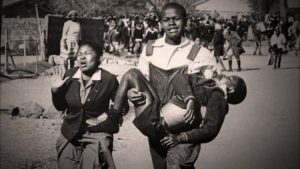
Every 16th June, the Day of the African Child (DAC) is observed by the African Union and its member states as a commemoration of the 16th June 1976 student uprising in Soweto, South Africa in response to the introduction of Afrikaans as the medium of instruction in local schools.

The theme for the Day of the African Child (DAC) 2021 is “30 years after the adoption of the Charter: accelerate the implementation of Agenda 2040 for an Africa fit for children.” 

The Impact of Covid-19 on Women and Girls with disabilities

0

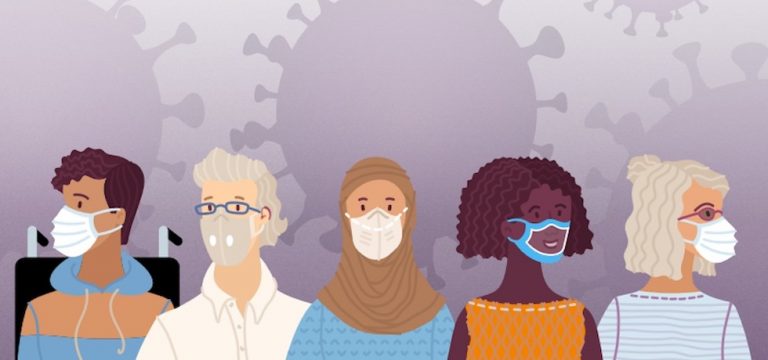
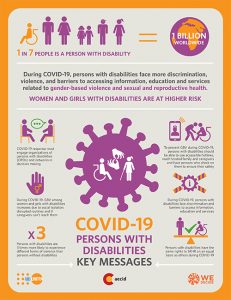
Covid -19 has really affected people in a hard way and among the badly hit are women and girls with disabilities who have struggled to meet their basic needs, access needed health services including those needed both because of their gender and disability, and have faced disproportionate risks of violence.

This is according to a global study commissioned by the U.N. Population Fund (UNFPA) and Women Enabled International (WEI), alongside the U.N Partnership for the Rights of Persons with Disabilities and eight local and regional organisations working to advance rights for persons with disabilities.

“When I worked in the disability [sector] in 1993, women with disabilities’ situation was worse, because they had to live inside the house. They had nothing to do. They were uneducated. … With the pandemic, that same situation is happening to women with disabilities again, because they are losing their jobs, they have to stay all day and night with the family and can’t contribute to the family. It is a really hard time, especially for women with disabilities.” — Rama, a woman with a physical disability, Nepal

“Through virtual consultations with and written survey responses from over 300 women, girls, men, and gender non-conforming persons with disabilities, their advocates, and their support persons from around the world, we have learned that in almost all contexts—Global North and Global South, in places hit hard by COVID-19 and others with a much lower rate of infection—women, and girls with disabilities have been left behind,” read part of the report

For instance, some women and girls with disabilities who require the assistance of sign language interpreters or other assistants to access SRH services were no longer allowed to bring those individuals with them, due to social distancing rules.

Lack of accessible and affordable transportation options meant that, when family planning clinics closed in local communities, women and girls with disabilities disproportionately could not travel to other communities to receive SRH services and goods.

In two extreme cases, a deaf woman from Fiji and a non-binary autistic person from Chile could not access urgent SRH services and faced potentially dire consequences for their health and lives.

“The study which revolved around the impact of COVID19 on women and girls with disabilities, particularly as related to their sexual and reproductive health and rights (SRHR) and their right to be free from gender-based violence (GBV),   identifies that: Barriers to accessing sexual and reproductive health (SRH) information, goods, and services and exercising bodily autonomy for women and girls with disabilities have increased during the COVID-19 pandemic, in ways that are both similar to and distinct from other women’s experiences,” read a part of the report.

Additionally, women and girls with disabilities worldwide faced increased risk factors for GBV and compounded barriers to accessing GBV support services, police, and justice mechanisms. As women and girls with disabilities were confined at home with their families and lost their usual systems of support, tensions rose, leading to physical, sexual, emotional, and psychological violence against them.

Family and friends who were new to caretaking responsibilities, or who were not receiving respite from those responsibilities, sometimes withheld needed assistance or weaponized disability to denigrate or undermine women and girls with disabilities.

At the same time, GBV support services became even harder to access due to lockdown measures, and police were re-allocated away from investigating GBV and towards enforcing COVID19 restrictions. Justice mechanisms also moved even more slowly in some contexts, leading to virtual impunity for perpetrators. 

Women and girls with disabilities—often primarily due to their disability status—were cut off from other needed health services and lost access to employment as well as education.

Additionally, they lost access to disability-related support services and faced significant barriers to affording and accessing food, clean water, housing, sanitation items, and other basic needs. These other related rights issues impacted the ability of women and girls with disabilities to fully exercise their SRHR, bodily autonomy, and the right to be free from violence.

Gender and disability have not necessarily equally impacted the experiences of women and girls with disabilities during the COVID-19 pandemic. For instance, the barriers that women and girls with disabilities report to meeting basic needs or to accessing employment and education during the COVID-19 pandemic are largely based in disability discrimination and exclusion.

On the other hand, many of the new barriers they have experienced to accessing SRH and exercising bodily autonomy are similar to those experienced by other women and girls. However, the situation of women and girls with disabilities before this crisis was significantly worse than for others.

Before the pandemic, they were less likely than both men and boys with disabilities and non-disabled women to have access to employment or education; were more likely to live in poverty; faced higher rates of violence, and encountered significant accessibility and attitudinal barriers based on both gender and disability to exercising their SRHR.

These pre-existing barriers, combined with the impact of COVID19 itself, have created a particularly precarious situation for women and girls with disabilities, as distinct from other groups.

In addition to these global findings, this Impact Assessment presents four case studies on the impact of COVID19 in particular country contexts. These countries—Malawi, the United Kingdom, Chile, and Fiji—were in very different places in ensuring the rights of women and girls with disabilities before the COVID-19 pandemic, had different experiences with the severity of the pandemic, and had different governmental and public health responses.

These case studies provide the opportunity to examine how differences in the realization of rights for women and girls with disabilities before the pandemic, as well as differing approaches to the crisis, have impacted women and girls with disabilities from a variety of backgrounds.

With the results of the study, the onus is now on the United Nations Country Teams, civil society, governments, multilateral organizations, and others involved in COVID-19 response and recovery—as well as planning, response, and recovery from other crises—to ensure that their policies and practices are inclusive of women and girls with disabilities and their rights are promoted.

This resource pack consists of a Compendium of good practicesSRHR checklist, and Impact Assessment and focuses on three objectives:

  1. Ensuring gender- and disability-inclusive SRH during the COVID-19 pandemic
  2. Meeting social determinants of health for women and girls with disabilities during the COVID-19 pandemic
  3. Ensuring long-term SRHR for women and girls with disabilities in the recovery from COVID-19 and beyond

Kenya now boasts a new mental health action plan

1

Mental health remains an integral pillar in the country’s health system and social-economic development meaning that there should be concerted efforts to boost mental health care systems through investment, dedication and planning for resources, coordination, oversight, awareness creation and advocacy.

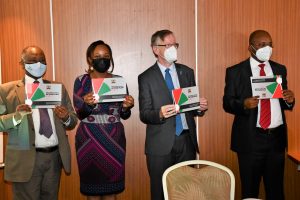
This is according Ministry of Health Chief Administrative Secretary (CAS) Dr. Mercy Mwangangi during the launch of the Kenya Mental Health Action Plan (2021-2025).

The latter has means that the journey towards transforming mental health care systems in Kenya has gathered momentum following the who unveiled the 74-page document.

“Public and private partnerships will be an essential ingredient in the successful implementation of this action plan. I call upon county governments, private sector, faith-based organizations, NGO’s and community groups to commit and invest in mental health to help actualize the objectives of this mental health plan,” she said.

The launch of the mental health action plan comes in the midst of the Covid 19 pandemic which has caused significant health, socio economic and psychological impact on people. In addition, the country has experienced a sharp increase in suicide cases, mental health conditions, substance use, and addictive disorders which points to social challenges and unmet needs at societal level.

It is these challenges that the document seeks to remedy in line with the Kenya Mental Health Policy 2015 – 2030. It spells out a four-point broad plan to boost mental health structures as well as increase funding.

According to Dr. Mwangangi, the document prioritizes strengthening of mental health leadership and governance, implementation of strategies for promotion of mental health and prevention of mental and substance use disorders, ensuring access to comprehensive, integrated and high-quality mental health services as well as strengthening mental health systems, including health information and research.

Additionally, Dr. Mwangangi pointed out the policy recognizes the need to promote mental health, adoption of preventive programmes focusing on families and communities at all cross-sectoral levels and reduce stigma.

Some of the activities in the action plan include enhancing mental health literacy, addressing the determinants of mental health and reduction of risk factors. Other strategic actions are geared towards; reorganising, transforming and increasing coverage of services. This she says will be achieved by establishing affordable services closer to communities, ensuring comprehensive quality care and developing person centred services.

“Through the plan, mental health and psychosocial support will be integrated in the emergency and humanitarian response especially in the response to the COVID-19 pandemic as well as a long-term recovery strategy,” Noted the CAS.

World Health Organisation Representative Dr. Rudi Eggers addressing the meeting said;“Many mental health diseases can effectively be treated at a relatively low cost. However, there remains a substantial gap between people needing care and accessing care which needs to be addressed,’’ adding that, “effective treatment of mental diseases remains relatively low in many countries including Kenya’’.

On the issue of allocation of resources, the Chief Administrative Secretary said the National and County Governments are expected to dedicate resources towards establishment of user-friendly mental health infrastructure and amenities.  “This will include ICT based services at community and primary care level and ensure consistent supply of essential and high-quality medicine, equipment and technologies’’ she observed.

Speaking during the launch, Presidential Advisor on mental health Dr. Frank Njenga said the Government has already allocated 200 acres of land around Ngong area to have Mathari National Teaching and Referral hospital relocated from where it has been since 1911.

Dr. Mwangangi urged county governments, Faith Based Organisations, Non-Governmental organizations and community-based organizations to adopt and integrate the action plan in their programmes and activities.

The journey to transform mental healthcare systems began two years ago following a presidential directive during the 2019 Madaraka Day celebrations. President Uhuru Kenyatta ordered for the formulation of an appropriate policy response at the national and county level owing to an increase in cases of depression.

Media Council of Kenya censures county governments over threats to the media

0

The Media council of Kenya has come to the swift defense of journalists drawn from the Royal Media Services and Nation Media Group who have been threatened after reporting on emerging issues in the counties of Bungoma and Kisumu, respectively.

In a statement, the council said that its attention had been drawn to a threatening letter dated 12th June 2021 by the County Government of Kisumu to the Nation Media Group regarding a Covid-19 related documentary.

The Council took exception to the threats issued against Nation Media Group over a preview of the above documentary entitled “inside Kisumu’s Covid Isolation Ward (#fightforbreath), where the County Government of Kisumu raised concerns with how the journalists accessed the Jaramogi Oginga Odinga Teaching & Referral Hospital (JOOTRH), interviewed some patients and took video footage for the story.

“While the Council recognises the right of the County to demand ethical standards in journalism are upheld, it expects that the same shall be demanded of the County Government for violating freedom of expression, press freedom and access to information as provided for in the Constitution in articles 33, 34, 35 and the Media Council Act, 2013,” said David Omwoyo in a statement

“In this case where the County Government is aggrieved by the ethical standards observed by journalists and media enterprise, the County is urged to file a complaint with the Media Complaints Commission which is legally mandated to handle such matters under section 27 of the Media Council Act, 2013 and issue remedies as it deems appropriate,”  he added

Omwoyo was emphatic that threatening journalists about their work or intimidating them not to undertake their duty especially on matters of public interest is a violation of Press freedom and the Constitution

No sooner had Omwoyo censured the Kisumu County than he had to do the same to Bungoma Governor Hon Wycliffe Wangamati who threatened Royal Media Services reporter Jimmy Simiyu over a story he has been pursuing.

“The Council is also aware of allegations that the Governor called the reporter to threaten him after an editor from the media house tipped him off about a story that the reporter had filed over an event held in Bungoma County on Saturday 12th June 2021,” said Omwoyo

As a first intervention, the reporter was advised by the Council to report the matter to police which was recorded as OB 16/13/6/21 at the Bungoma Police Station. Pursuant to the aforementioned, the Council states as follows:

  • That the Governor henceforth desists from threats and respects the independence and freedom of all journalists.
  • That the Inspector General of Police intervenes by ensuring that the matter is expeditiously investigated with the view of bringing all those involved in the alleged violations to account. In the meantime, the police must guarantee the reporter’s safety and security.
  • That Royal Media Services takes measures to establish the truth behind allegations that one of its editors was involved in the transgression and if confirmed, takes disciplinary action against the said editor for interfering with the independence and freedom of the affected journalist and jeopardising his safety.

The Media Council of Kenya calls upon the public and various public governance levels, including County Governments, to refrain from threatening and obstructing journalists from undertaking their lawful roles. We remain committed to advocating for a safe working environment for Kenyan journalists.

Sanergy and Amitruck partner for sustainable waste management

0

Technology startup Amitruck and waste management solutions provider Sanergy have announced a partnership to tackle waste management in Nairobi, Kenya.

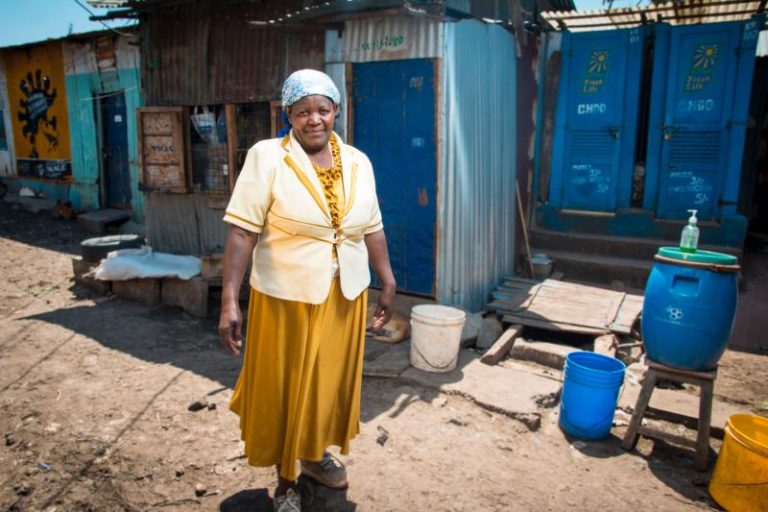
Through the partnership, they have built an end-to-end value chain network of operations and efficient logistics that will collect, treat and convert two streams of waste: sanitation waste generated in low-income informal settlements with inadequate sanitation services and kitchen & agricultural waste from restaurants, market places and agricultural pack houses building a new model for city’s resilience through circular organic waste management.

The partnership has also created more jobs in the economy with Sanergy having created more than 2,000 direct and indirect jobs, whilst Amitruck hired more than 5,000 drivers over two years due to innovative digital models.

Commenting during the partnership announcement, Sanergy Managing Director, Michael Lwoyelo said, “We are excited to be pioneering a sustainable waste management solution that will benefit the people, economy and restores our ecosystem. Our next big goal is to expand here in Nairobi, and then replicate our model across the country and in Africa.”

Partnering with Amitruck, Sanergy removes more than 12,000 tons of waste every year and upcycles it into end-products such as organic fertilizer, insect-based protein for animal feed, and biomass briquettes used as clean fuel.

This circular economy solution addresses multiple challenges: environmental pollution by sanitation waste that is improperly disposed of, low agricultural yields due to declining soil fertility, and increasing greenhouse gas emissions from open dumping of waste.

Amitruck trucks on the road

In addition, innovative logistics solutions for waste collection, using Amitruck’s digital marketplace of vehicles and drivers, more effectively managing fleets and the transport of goods, are accelerating the transition to more sustainable cities.

Mark Mwangi, Amitruck CEO commented, “With more than 5,000 drivers, we are proud to be partnering with Sanergy and its community to enable a circular economy benefiting the environment, health, people and greener cities. Due to its innovative digital marketplace, Amitruck accelerates the transition to more sustainable logistics, allowing existing fleets of vehicles to be used a lot more efficiently for positive impact.”

Sanergy and Amitruck believe that scaling and replicating the closed-loop circular economy approach in other cities in Kenya and beyond is key to strengthen fragile systems.

These are waste management, production of agriculture inputs and building resilient cities where residents are healthy and prosperous, citing that it is imperative to forge partnerships with government stakeholders and other sector players to scale and serve more citizens and businesses with professional services. In particular, the government plays a critical role in creating and improving the regulatory framework that sees these novel models thrive.

Generating more than 80% of the world’s GDP, cities are major drivers of economic growth and as urbanization and waste production increases, these cities are faced with the challenge of how to manage their waste effectively.

Most of the solid waste generated is disposed off in landfills and open-air sites causing serious risks to public health and the environment. This worsens climatic conditions as seen during drought and floods, which threaten the lives and livelihoods of many people.

Civic body Vuka! moves to counter stigmatisation, criminalization of foreign funding for civic space

0

The Vuka! Coalition under the auspices of its Rapid Response and Catalytic Initiatives Action Teams will rely on a series of dialogues to unpack the three key elements of civic space resourcing:  Funding in the Covid-19 environment; stigmatisation and criminalization of foreign funding for civic space as well as resourcing for protest movements.

This is against the backdrop of a mandate by its members to examine and explore the primary obstacles and opportunities for civic space funding/resourcing.

The dialogue held on 17 September 2020 was the second in this series of dialogues. The coordination call specifically sought to explore how civil society and philanthropic groups can come together to counter the stigmatisation and criminalisation of foreign funding for civic space issues.

Over 30 civil society and philanthropic groups participated in the call and a pluralistic and inclusive dialogical methodology was employed including breakout groups and written exercises. Among the objectives for the series was identifying the current manifestations of how states stigmatize and target foreign funding for civic space issues to delegitimize and starve civil society activism of resources.

There was also the need to map current strategies used to counter this stigmatisation and criminalisation of foreign funding among philanthropic and civil society groups as well as interrogate how these strategies can be strengthened, including through collective action among philanthropic and civil society groups. Finally, the threat level to defenders on the ground increases in the wake of state-driven campaigns that seek to demonize foreign funding.

“Advocacy by international CSOs is also being impacted because of the growing state-driven ‘stigma’ alleging the imposition of western values on national civil society,” said the organization in a statement

 Stigmatization undermining advocacy and safety

So far, land and environmental defenders, specifically those opposed to large development projects, are increasingly being targeted for receiving foreign funding. Grantees working on civic space issues are increasingly being demonized which puts the work of donors supporting these issues in the spotlight. Additionally, humanitarian groups are increasingly being targeted, including through new restrictive legislation.

“For instance, a number of Islamic faith-based CSOs are being prevented from receiving or transferring funds and have some been taken to court or persecuted under draconian counter-terrorism laws,” said Vuka!

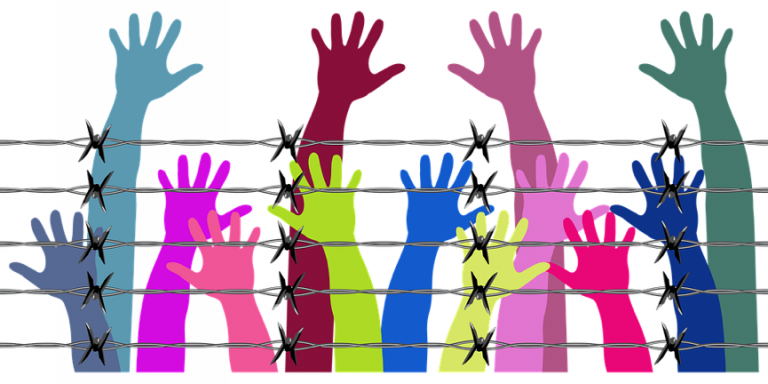
Some countries with historically strong democratic institutions are also increasingly seeking to stigmatise foreign funding and groups that receive it. There is also the fact that new actors are being targeted every day. As more states criminalise foreign funding, it is becoming increasingly difficult for some organisations to transfer money directly to HRDs and civil society groups operating in restrictive environments.

Criminalisation and stigmatisation of foreign funding are creating barriers throughout the system, including growing reluctance among some banks to facilitate legitimate transfers. In a growing number of countries, it is no longer possible to directly fund CSOs and HRDs operating on the front lines.

In Kenya, supporting advocacy with the Financial Action Task Force (FATF) to reduce FATF directives is being used as an excuse to stigmatize and criminalize foreign funding. However, pro-bono legal support has been successful in countering criminalization in countries that have some independence in courts/rule of law.

There is also support for CSOs to develop and deploy narratives that promote their legitimacy. Rise in public support and local funding in the context of COVID-19 as communities understand the important role they play. Another option is working with new allies to raise awareness of civic space and civil society, including celebrities and communications companies.

Developing complementary narratives on why C S O S matter is also actionable.  Philanthropic groups have also become more flexible in providing funding to groups on the ground and consider who can receive the funds, what is funded and how issues are funded. Funders should discuss with grantee partners early and often in the grant relationship. Take steps to communicate with partners via secure channels and reduce reporting requirements to the bare minimum required wherever possible.

Laid down strategies

Some of the strategies and tools civil society and philanthropic groups have taken or observed to counteract stigmatisation and criminalisation of foreign funding should include greater solidarity from donors, philanthropic groups where helpful, should issue public statements underscoring the legitimacy of their funds and the work of grantees when CSOs are targeted.

Philanthropic groups can support litigation in the courts when a CSO’s account is unwarrantedly unfrozen. There should be double efforts to concretise the right to receive foreign funding, and building on measures to mainstream the right to receive funding in international human rights law.

There should also be development of common arguments and recommendations that reference international norms as well as augment engagement with humanitarian groups and agencies which are increasingly being subjected to undue restrictions under sweeping foreign funding laws.

“Leverage the counter-narrative that governments themselves are receiving foreign funding, so why shouldn’t civil society be allowed to! We need to use clear, unifying, accessible, compelling language in our messaging,” urged Vuka!

Building strategic communications and narrative capacity among frontline groups, leveraging arts and culture while identifying new messengers and greater coordination among CSOs and donors, can help as well.

“We need to create more dedicated platforms where local CSOs can communicate with a broader spectrum of philanthropic groups to create a more cohesive approach/responses. Organizations or groups of organizations that are targeted can’t be left to respond on their own. Civil society and philanthropic groups need to identify common public messaging,” said Vuka!

The steering group members of the group include World Organization Against Torture (OMCT), ARTICLE 19 ,Narrative Action Team, and  Technology Action Team.

KEPSA Appoints First Female Chair, Ms Flora Mutahi, During 17th Annual General Meeting

0

The Kenya Private Sector Alliance (KEPSA) has appointed Ms Flora Mutahi as the first female Board Chair and Mr. Jaswinder Bedi as the Vice-Chair. Ms Mutahi is part of the new leadership team unveiled during KEPSA’s 17th Annual General Meeting which was held virtually.

During the AGM, KEPSA appreciated the outgoing leaders for all the successful initiatives they spearheaded while in office. KEPSA also released its annual report which documents all actions and outcomes of year 2020 projects including the upcoming plans detailing the shift into the new Simba II Era.

KEPSA CEO, Ms. Carole Kariuki Karuga highlighted part of the efforts that KEPSA has embarked on to support businesses during the Covid-19 pandemic period. Ms. Kariuki also applauded the outgoing leaders and entire KEPSA leadership for their determination in steering the organization to the next level.

“We appreciate our members for standing with and believing in us even through such times.” said Ms. Kariuki.

“Going forward our start-ups, micro and small medium enterprises (MSMEs) who form the largest number of our new members, can feel at home in our newly-established SME Club at KEPSA. As members they can more effectively formulate proposals and solutions to issues affecting them.” She added.

After deliberations, the nominated directors to serve for the next two years were confirmed as Ms Flora Mutahi (Chair), Mr. Jaswinder Bedi (Vice- Chair), Mr. Darren J Gillen, Mr. Stephen Gatagama, Mr. Troy Yue, Mr. John Gachora, Mr. Macharia Muthondu, Mr. Mucai Kunyiha, Mr. Allen Gichuhi, Mr. Graham Shaw, Dr. Elizabeth Wala, Ms. Catherine Musakali, Ms. Eva Muraya, Mr. Bimal Kantaria, Eng. James Mwangi and Mr. Nicholas Nesbitt (Ex-Officio). Some of the appointed leaders also served in the previous leadership team.

“My appointment as the first-ever female chair is a testimony to KEPSA taking a giant step in the right direction of entrenching inclusivity and meritocracy in our leadership. We should continue with this drive and include not just women but also youth, persons living with disabilities, and MSME owners and leaders.” Ms Flora affirmed.

Mr. Patrick Obath was appointed as the KEPSA Foundation Chair and Ms. Gloria Ndekei will serve as the Vice-Chair.

The outgoing Chair, Mr. Nicolas Nesbitt congratulated the new team saying,

“I am proud of what KEPSA has achieved during these challenging and unprecedented times and gladly look forward with great anticipation to further successes in the years to come under the new leadership team.”

CA in last stages of children, niche and local content programming guidelines review

0

The Communications Authority of Kenya (CA) is in the last stages of the review of children, niche, and local content programming guidelines, to accommodate the ever-evolving broadcasting models.

Additionally, the authority will also address the Programming Code as well as new requirements within the broadcasting industry. Also in the cards are ‘service-specific guidelines that will only be applicable to the licensees that offer the particular service. This is opposed to in the past when they had the Unified Programming Code, where both free-to-air (FTA) and pay-TV providers were required to meet similar set requirements.

Speaking at the fourth annual broadcasters KUZA Awards ICT, Innovation and Youth Affairs CS, Joe Mucheru said the review is in line with the Government’s objectives to see a responsive and responsible local broadcasting industry. Legally, the CA is mandated to prescribe a Programming Code that dictates standards for timing and types of programmes to be broadcasted on air.

Only last month, Mt. Kenya TV found itself in very hot soup with the government and the general public when it aired inappropriate content.

The government, through the (CA), suspended the operations of the TV station after numerous complaints were filed as the videos of the content were shared to one disbelieving person after another.

In addition, the Authority also imposed a fine of Sh500, 000 for non-compliance issues by the station that will only be allowed on air once it has met all the current and outstanding compliance issues.

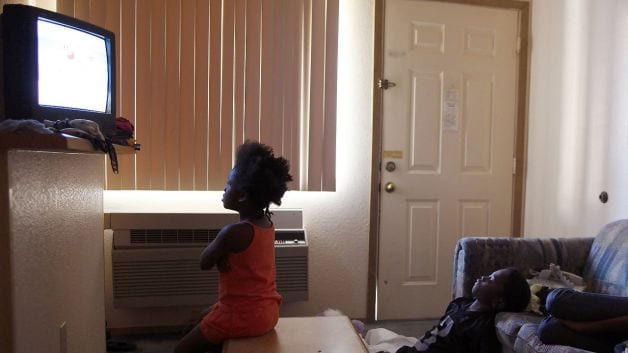
The inappropriate content was aired at a time when children were likely to be watching the broadcast unsupervised because schools were closed for the April holiday.

‘On April 19, 2021, at 2pm, during the ‘Mucii wa Ciina’ programme that featured an animated movie, the station aired sexually explicit content, drug abuse, robbery, and violence,” said director –general Mercy Wanjau  of the Slopes Media –owned TV channel  during the suspension.

Wanjau also termed the programme a blatant breach of the Broadcasting Regulations, the Programme Code, and the terms and conditions of the station’s broadcasting license.

In its defense, in a written notice and subsequent oral representation during the hearing, the TV did acknowledge the offense and attributed the violation to a content mix-up in the control room. They, however, could not explain how the offensive content landed on the content server.

The station was also ordered to avail all members of staff to undergo mandatory training of the Programming Code by the CA in seven days. They were also to ensure their editorial policy aligns with requirements of the law on the protection of children and to file a copy with the authority. Also among its offenses were airing content that had not been classified or rated by the Kenya Film Classification Board. Additionally, the CA said that the channel aired the content without acquiring the requisite intellectual property rights against the Kenya Copyrights Board’s requirements.

The Programming Code should be reviewed every two years and the current Code was developed in 2015 then came to force in 2016.


NEMA Shifts Blame on Protecting Lake Victoria and Lake Nakuru

0

The National Environmental Management Authority remains non-committal in protecting Lake Victoria and Nakuru despite confirming that their mandate to safeguard the health of citizens remains critical and essential.

In a meeting with Greenpeace and community members on Tuesday, NEMA representatives blamed the victims (communities) for the pollution in these Lakes. They shifted the responsibilities of protecting these lakes to the Water Resources Management Authority (WARMA) and county governments.

The meeting comes after over 5,000 people signed a petition calling on NEMA’s Director-General, Mr. Mamo Boru Mamo to commit to stopping pollution in lake Nakuru and Victoria by implementing policies that regulate the disposal of industrial and municipal waste. The petitioners further urged Mamo to design and implement proper waste management infrastructure including proper sewage and drainage systems for settlements near both lakes.

“The county government of Kisumu and NEMA have continuously ignored our pleas for a cleaner and safer environment for future generations. We can not be silent when industries  continue to pollute river Kibos and lake Victoria. Our voices can not be silent  when projects  are approved without proper public participation,” said Ben Adega, a resident of Kisumu County.

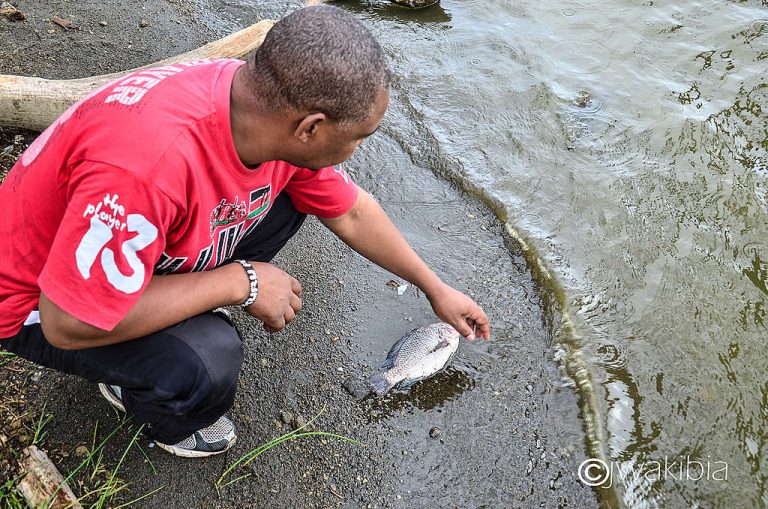
“The issue of raw sewage discharge into Lake Nakuru from sewage plants is not something new and did not start yesterday. Over the years, the sewage treatment plants have been neglected to a point that you can smell the stench inside the lake. Residents have voiced their concern year in year out, but their pleas have fallen on deaf ears,” said James Wakibia, an activist from Nakuru.

Greenpeace Africa and the community members have on several occasions called on NEMA’s Director-General, Mr. Mamo to take measures to urgently curb the pollution in Lakes Victoria and Nakuru, protect livelihoods and save the health of Kenyans who depend on these lakes for survival.

“The evidence of dying lakes in Kenya is irrefutable as the lakes have for a long time been a sink to excessive waste and untreated effluent from industrial and municipal activities.  The rising pollution has led to fish poisoning threatening the livelihood of communities and the health of consumers,” said Greenpeace Africa’s campaigner, Amos Wemanya.

“NEMA is failing in its mandate of supervising and coordinating environmental activities and serving as the main national body to implement environmental policies in all sectors within the country. Greenpeace Africa is calling for better coordination within different government agencies in order to stop the trend of dying lakes,” concluded Wemanya.

           Open letter to Nema can be found here

           Petition to Ask NEMA to stop pollution here

Lack of ARVs in counties, impeachments among pressing issues for Kenyan governors

0

Kenyan governors have cautioned that a  staggering 1.1 million Kenyans living with HIV risk compromised health and even death due to increased HIV-related infections and massive drug resistance.

The cause of the above is due to a precarious situation pitting the government against the United States Agency for International Development. Basically, the Kenyan government and USAID have been in a protracted stalemate over a large batch of antiretroviral treatment as well as other donated health supplies that have been detained at the Port of Mombasa since mid-January.

The contentious issue has been the entity to preside over the distribution of the drugs: KEMSA or the U.S.-based private company Chemonics.

Over the past 20 years, HIV commodities have significantly been supported by US Government and the Global Fund. These Commodities include ARVs, laboratory consumables, reagents, and HIV testing kits but now the USAID is alleging Kenya Medical Supplies Authority (KEMSA) is corrupt and would rather have another firm undertake the handling of the drug distribution.

All these have made governors in Kenya a collectively disturbed lot because of the prevailing lack of ARVs as there is a looming shortage as of 1st July 2021 which will pose a potential crisis in the continuity of HIV care.

“As a matter of urgency, we call upon the Ministry of Health and USAID to immediately procure a third-party agent to handle the warehousing and distribution of the health commodities that are stuck at the port. Further, they are to distribute these commodities to all County facilities before 20th June 2021,” said H.E Vice-chair of the council, James Ongwae

“In the long-term, both levels of government need to discuss sustainable HIV interventions and how we can reduce dependence on donors on such critical matters. We need to look internally and begin to rely on ourselves in the procurement of these critical commodities,” he added

USAID and KEMSA had a five-year contract that ended in 2020 and the former opted to work with the Global Health Supply Chain – Procurement and Supply Management — implemented by Chemonics and a consortium of partners — to procure HIV, malaria, and family planning commodities for Kenya instead of KEMSA. This is largely because last year, KEMSA faced allegations of corruption and mismanagement of COVID-19 funds.

In a recent ‘extraordinary meeting to discuss issues affecting county governments the governors also noted the trend of impeachments in the last one year giving  Kiambu County, Nairobi City County, and now Wajir County as examples.

“While we appreciate the fact that impeachment is both a legal and a political process, the rule of law should prevail while undertaking the same. All the bodies involved should ensure that they are guided by the Constitution and the principles laid down by the courts on the threshold of impeachment, “said vice-chair of the council H.E James Ongwae

He was quick to assure the public that the council values integrity and accountability in the running of public affairs in the Counties.

“Nevertheless, oversight bodies must remain cognizant of the legal principles surrounding impeachment so that the exercise is not abused. The Council shall engage relevant institutions with a view to streamlining court pronouncements with the law so that the impeachment process can be anchored in legitimacy and impartiality,” said Ongwae

At the meeting, the council was, however, impressed by the NHIF Report on gazettement of County Health Facilities The Council has had previous discussions with the Ministry of Health on the NHIF cover as part of the UHC agenda, specifically refunds to the County Health facilities which were low and sometimes non-existent. An agreement was reached with the Ministry of Health and NHIF on this matter.

In this regard, County Governments have reviewed the list of NHIF contracted Health facilities with a view to verify that indeed they are County facilities as well as updating the existing list to include the new facilities which were unlisted with NHIF. These facilities will be instrumental in the implementation of Universal Health Coverage.

The list of health facilities from the Counties will be forwarded to the NHIF to ensure that they are contracted in the exercise that is set to begin on 1st July 2021

Kenya decries inequalities in the availability, access and distribution of COVID-19 vaccines

1

The government of Kenya has decried the inequalities in the availability, access, and distribution of COVID-19 vaccines as the numbers stand at

166,000 confirmed positive about 114,000 recoveries and 3000 deaths since the pandemic was first reported.

While speaking at a Ministry of Health Annual Commonwealth health ministers meeting (CHMM) 2021 held on Friday 21st May 2021, the country’s Cabinet Secretary for Health Mutahi Kagwe said; “We are currently at what we believe to be the tail end of the third wave of the pandemic. Chair, fellow Ministers, we note with concern inequalities in the availability, access and distribution of COVID-19 vaccines.”

“Whereas we acknowledge with gratitude the COVAX Facility, which was intended to finance access to vaccines in developing countries, we recognise that this benefit has not been realised due to the global shortage of supplies and the unfortunate situation in India, coupled with an unfortunate emergence of vaccine nationalism,” he added

According to the CS, Kenya was to receive 24 million doses of the vaccine at a cost of USD 3.6M, through the COVAX facility, and had set 3 aside her own resources to procure an additional 10 million doses. However, so far, the country has only received 1 million doses.

“We are of the opinion that there is a great and urgent need to redirect these funds to other vaccine manufacturers with capacity to supply us with the vaccines. Specifically, Johnson and Johnson would be the best alternative since it comes with the added advantage of being a single dose regime and hence reducing logistical challenges. Secondly, we urge that COVAX and Gavi fast track the redistribution of unused Astra Zeneca dozes to countries that are able to use them quickly, to avoid expiry of vaccines while many people in the world need them,” said Kagwe

Kagwe was also of the opinion that, the vaccines and medicines production approval system should be re-designed to create a level playing field in processing applications for World Health Organisation prequalification even as the country ensures quality.

There is also need for a  paradigm shift: to have an approach that provides technical assistance and facilitates production of quality products in the African countries. This will promote local and regional production in its various 4 forms be it contractual, form and fill, or even full manufacturing.

“At country level, we all need to rethink our taxation and duty regimes to create an enabling environment that preferentially supports local manufacturers to compete fairly with importers, since access to health products is not only a health measure but a national security issue. I wish to emphasise the importance of sharing knowledge, best practices, innovations and other resources across the Commonwealth, to ensure efficacy and equitable access to quality medicines and vaccines,” he said

“We also call for continued investment to strengthen health systems, surveillance, diagnostics, health information systems, healthcare services, the health workforce, health research, security of commodities, management and access to essential medicines and vaccines, to safeguard against negative effects of any potential future pandemics and health security emergencies. 5 Finally, I wish to remind us that In this Covid-19 pandemic no Nation will be safe alone, the world can only be safe together,” he concluded

The Republic of Kenya reported its first case of COVID-19 on 12th March 2020.

Royal Media bags most awards at the Kuza Awards: full list

0

The just–ended 2021 Kuza Awards which celebrate local content saw the Royal Media Services walk away with the most awards as compared to the other media houses. They were winners of the local content subscription, people’s choice awards TV, most trusted TV for news categories, and were runner-ups in the people’s choice awards radio category.

Fairly new entrants in the field like TV 47 and Switch TV managed to have their presence felt among the masses this year as well and walked away as winners in some categories.

The Communications Authority of Kenya introduced three new categories in its annual KUZA Awards 2021, and voting was done on the People’s Choice SMS voting platform that enabled the audience to vote for their preferred broadcaster.

The new categories include; Patriotic Award category, to celebrate all broadcasters who have demonstrated patriotism and made a positive impact in disseminating information and implementing the Authority and Government’s directives on the raging COVID-19 pandemic.

The Upcoming Broadcaster Award, on the other hand celebrated new broadcasters that have, through their programing, displayed compliance and adherence to regulatory requirements within the last three years. And thirdly the Copyright Award is meant to enhance broadcasters’ compliance with copyright and Intellectual Property regulatory requirements.

The annual event seeks to recognize and reward excellence in the broadcasting industry. This year’s theme was “Preserving our Cultural Heritage through Broadcasting: Kenya a Heritage of Splendour.”

 Full list:

Local Content Award Free-to-Air TV (Overall Local Content Quota )

 Winner:Inooro TV

1st Runners Up: Kameme TV

2nd Runners Up:Ebru Tv

 KUZA awards ….

 Compliance award public TV

Winner- TV 47

2- Hope Tv

3- Switch TV

 Compliance Radio-

Winner- Hope FM

Local content awards

Winner- Inooro TV

2- Kameme

3- Ebru TV

 Local content subscription

Winner- Viusasa (RMS)

 Children and broadcast TV

 Winner- KICD (EDU TV)

2- Citizen TV

3- Horizon TV

Radio (Children program)

Winner- Lubao fm

2- Radio Citizen

 Regional Awards;

Radio*

Central

Winner- Tuliza fm

 Central Rift

Winner- mbci radio

 Coast

Winner- Kaya FM

 Eastern

Winner- county FM

 North Eastern

Winner- Star FM

 North Rift

Winner- Kiapo limited

 South Rift

Winner- Touch FM

 South Nyanza

Winner- Kisima FM

 Western

Winner- Nyota FM

 Nyanza- lake region

Winner- Dala FM

 Upcoming broadcaster TV

Winner- Switch TV

2- TV 47

 Copyright Award TV

Winner- Hope TV

2- TV 47

3- Aviation TV

 Copyright Award Radio

Winner- Hope

2- Aviation FM

 Uzalendo Award..

Every media house will receive the uzalendo Award (certificate)

 Mzalendo Mkuu Award

* EDU TV

* KBC Radio Eng Service

* Radio Shahidi

* Radio iftin

* Hope FM

* Kenya Catholic conference board

* Akili Kids


People choice Awards

Radio

Winner- Radio Maisha

2- Radio Citizen (RMS)

3- musyi FM (RMS)


People choice Awards

TV

Winner- Citizen TV

2- KTN Home

3- Switch TV


Favourite Pay TV

Winner- GO TV

2- Multichoice Kenya

3- Startimes


Most trusted Radio for News

Winner- Radio Maisha

2- Radio Citizen

3- Musyi FM (RMS)


Most trusted TV for News

 Winner- Citizen TV

2- KTN NEWS

3- NTV


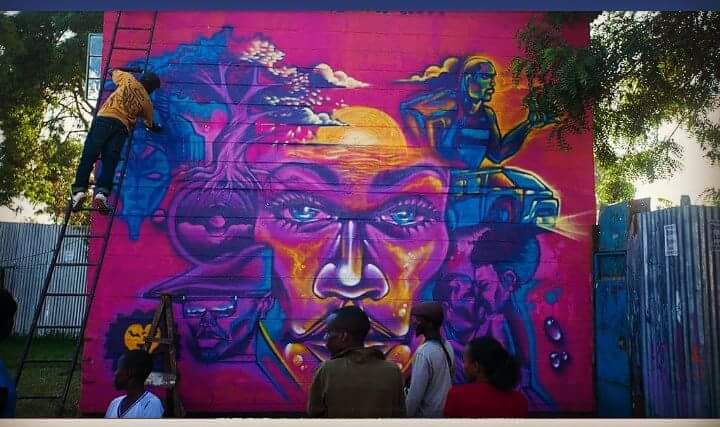
A glimpse at Speaking walls of Nairobi

0

The Trust for Indigenous Culture and Health (TICAH) in collaboration with local artists, Nairobi Metropolitan Services (NMS), the Safer Nairobi Initiative, and the GoDown Arts Centre are set to launch an art movement#ALAAA! to beautify Nairobi.

The initiative, which will entail colorful murals to showcase the vibrancy and creativity of the city will be called  #ALAAA! – the sound of astonishment that people will make when they come across the amazing works of art around the city.

The #ALAAA! Mural Movement started with a mural created on Saturday, 8 May 2021, and Sunday, 9 May 2021 at the Moi Avenue Primary School perimeter wall on the globe roundabout side. The theme of the piece is the art and vitality of the streets of Nairobi and feature work by artists Allan “Think” Kioko, Michael Nyerere, Solomon “Solo” Luvai, Rose Ahono, Collins Oduor, Leevans Linyerere, and Wilson Matunda.

Another three murals are lined up starting with one at Muthurwa being created this coming weekend (22 May). The curatorial team is actively scouting new locations and talking to artists to create the next batch of murals for the city to enjoy.

Humphrey Otieno the Liaison Officer at Safer Nairobi Initiative who helped bring the project to fruition said the movement fits well with the Safer Nairobi Initiative’s mandate to work with young people, connect with the public and promote crime prevention through environmental design by activating public open spaces.

“Many youths are in the arts sector and have been affected by pandemic. How do young people work together with the county government? Our initiative is to bring young people into the open spaces and to bring people together. We are adopting a participatory approach to tactical urbanism where we aim to be inclusive and to listen to our communities’ voices.” Mr. Otieno said.

“I shared with the council of governors who also wanted the artists to create more murals. There’s no need for boring walls that say nothing,” he concluded


Fact Check:Lands Ministry denounces fake tweet on land reclamation

The issue of land is very emotive in Kenya as some people are known to fall victims to scammers and end up losing their money and homes when things go wrong. Some schools and estates have lost part of their public lands and so have some forest in the country.

Given the above reasons, it is very important that any information about land be verified before dissemination. A tweet going around had listed The Weston Hotel among other prime pieces of land in Karura, Loresho, Laikipia and Upper Hill areas among others as being up for reclaim by the government.

According to the notice, the land had been given to government officials and beneficiaries of illegal allocations. However, the ministry of land has come out declare the tweet as Fake

“Please note that the purported notice below that has been doing rounds on social media is FAKE. Official communication from the Ministry is shared through its VERIFIED social media accounts and/or those of the Cabinet Secretary,” said the Ministry of Land and planning in a tweet

Fake News continues to present a problem in Kenya and around the world often with very serious consequences.

As per a previous article on this page, this is how you can counter Fake News:

– There are a number of platforms in Kenya that you can use to verify fake news that you can adopt for your daily blogging. They include Africa Check, PesaCheck, and more.

– Avoid websites with suspicious URLs or designs that look hastily put together. Check to make sure the site has a secure connection before clicking on the link

– Also, consider using a comprehensive security suite to ensure your devices and online accounts are protected at all costs.

– Verify your images before sharing them anywhere. TinEye is an example of an image search and recognition company that you can use to search for the originality of your images. Google also has an option for Reverse Image search that can help you verify your images.

While sharing information online, be cautious about its effect on others, how will they interpret it or how will it affect their daily lives.